How to Propagate Western red cedar?
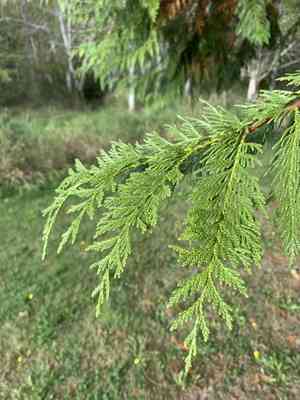
Thuja plicata reproduces effectively via layering, cuttings, and seed dispersal techniques, preferably during the fall or winter seasons. Challenges are typically minor; successful reproduction is evidenced by fresh development and root formation. Give particular consideration to humidity and thermal conditions.
Optimal Time for Western Red Cedar Propagation
Propagation Method
Cutting
Propagation Period
Autumn,Winter
Tools Required for Western Red Cedar Propagation
Sharp Pruning Shears
Crucial for obtaining clean, precise western red cedar cuttings, sharp pruning shears minimize harm and stress to the parent plant, creating a clean wound that heals quickly and resists disease. The accurate cut also boosts the cuttingâs rooting potential.
Rooting Hormone
This compound promotes root formation in western red cedar cuttings. Dipping the cutting's base into rooting hormone before planting stimulates root growth and can significantly improve the success rate of cuttings taking root.
Sterile Potting Mix
Employing sterile potting mix prevents illness and fosters robust root development in western red cedar cuttings. Sterile conditions are vital to reduce the risk of soil-borne pathogens that could harm the delicate cuttings during their initial growth.
Propagation Trays
These containers securely hold western red cedar cuttings and are particularly useful for organizing numerous cuttings. They allow for consistent moisture levels and temperature regulation, critical factors for successful rooting of cuttings.
Misting System
Maintaining elevated humidity is essential for western red cedar cuttings to prevent desiccation. A misting system can deliver a steady, gentle supply of moisture to ensure cuttings remain hydrated while roots develop.
Heat Mats
For western red cedar cuttings, heat mats can provide warmth from below to maintain a consistent soil temperature, which aids root development. The gentle heat encourages growth and can help increase propagation success.
Post-Propagation Care for Your Western Red Cedar
Post-Propagation Care for Your Western Red Cedar
Once the western red cedar cutting has developed a strong root system, it can be moved to a larger container or directly into the ground if outdoor conditions are suitable. Western red cedar thrives in well-draining soil and full sun to partial shade. Water the newly transplanted western red cedar regularly to keep the soil moist until it is fully established. Mulching helps retain soil moisture and protect roots. Gradually acclimate the young plant to outdoor conditions if it began indoors. Monitor for pests and diseases, applying necessary treatments. Prune western red cedar to manage its growth and shape as it matures.
Common Errors to Avoid When Propagating Western Red Cedar
Overwatering cuttings
Excessive moisture can lead to decay and fungal infections, compromising the health of western red cedar's young roots.
Taking cuttings at the wrong maturity stage
Cuttings that are too young may lack the necessary vigor to root, while those that are too old may not root as easily.
Neglecting humidity needs
Insufficient humidity can cause western red cedar's cuttings to dry out and fail to root.
Using dull cutting tools
Dull tools can damage western red cedar's tissues, potentially leading to poor healing and reducing the chances of successful rooting.
Advice for Propagating Western Red Cedar
Use semi-hardwood cuttings
These western red cedar cuttings typically offer the right balance of maturity and flexibility, leading to a higher rooting success rate.
Maintain high humidity
Western red cedar cuttings root best in a humid environment, which helps prevent the delicate new roots from drying out.
Provide indirect sunlight
Bright, indirect light supports western red cedar's root development without causing excessive heat or drying.
Apply rooting hormone
Using a rooting hormone can enhance western red cedar's rooting success by stimulating root growth in cuttings.



