How to Propagate Taraxacum officinale?
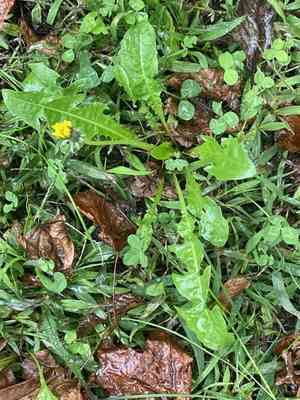
The optimal period for multiplying common dandelion is in the Spring or Autumn, predominantly through separation methods. Typically, propagation is straightforward, and thriving development is evidenced by vibrant and robust new foliage. Accurate separations can enhance yield.
Optimal Period for Propagating Common Dandelion
Propagation Method
Splitting
Propagation Period
Spring, Autumn
Tools Utilized for Common Dandelion Propagation
Sharp Garden Knife or Trowel
Employed to divide the root mass of common dandelion into smaller portions. A keen edge ensures a clean cut, minimizing root trauma, thereby fostering quicker recovery and successful re-establishment.
Gardening Gloves
Safeguards hands during the propagation process, as repeated handling of common dandelion might irritate the skin. Gloves also offer improved grip on the plant when separating the root ball.
Garden Fork
Excellent for gently extracting common dandelion from the soil while reducing root damage. It enables the propagator to loosen the soil surrounding the plant, simplifying division and enhancing success.
Watering Can or Hose with a Gentle Spray Setting
Aids in moistening the soil prior to division, making it easier to work with. Post-division, it assists in irrigating the transplanted sections of common dandelion without dislodging them or causing soil erosion.
Potting Mix or Compost
Supplies a nutrient-rich substrate for the newly divided common dandelion to stimulate root development. It facilitates the plant's establishment in its new location by providing superior soil structure and fertility.
Plant Pots or Trays
Essential for propagating common dandelion away from its original site. These containers hold the potting mix and offer a controlled environment for root growth before the plants are moved to their permanent growing spots.
Rooting Hormone (Optional)
While not crucial for common dandelion propagation, the application of rooting hormones can encourage faster root development in divided sections. This accelerates establishment and boosts the likelihood of successful propagation.
Labeling Stakes or Tags
Crucial for tracking the propagated common dandelion, especially when different varieties or propagation dates need monitoring. It ensures appropriate care and follow-up during the growth phases.
How to Propagate Common Dandelion?
Propagation Type
Division
Difficulty Level
Easy
How to Care for Your Newly Propagated Common Dandelion?
How to Care for Your Newly Propagated Common Dandelion?
Following propagation, common dandelion requires minimal attention. Water regularly to maintain consistent soil moisture, especially during dry periods. Although common dandelion tolerates various conditions, they thrive in sunny locations with fertile, well-draining soil. Fertilization is typically unnecessary; common dandelion is adapted to grow in less fertile environments and is often found in disturbed soils. Monitor for pests and diseases, but common dandelion is generally robust and not prone to serious issues. Common dandelion will spread over time through seed dispersal, so manage its growth if desired to prevent it from dominating garden areas.
Common Mistakes to Avoid When Propagating Common Dandelion
Ignoring seed maturity
Harvesting seeds from common dandelion before they are fully developed can lead to poor germination rates. Seeds must be allowed to mature, which usually means they must be fluffy and white before collection.
Seeds discarded as weeds
Common dandelion is often perceived as a weed, and gardeners might inadvertently discard it without recognizing its cultivation potential and benefits such as edibility and medicinal properties.
Surface sowing oversight
Planting common dandelion seeds too deeply can impede their germination as these seeds require light to sprout. A frequent error is covering the seeds with soil instead of lightly pressing them into the soil surface.
Over-watering
While common dandelion is adaptable to various conditions, providing excessive water can lead to root rot or fungal infections. Common dandelion typically prefers drier conditions once established.
Tips For Propagating Common Dandelion
Seed collection timing
Wait for the seed head of common dandelion to dry and transform into a puffball. The seeds will easily detach and can be gathered by hand or by snipping off the seed head.
Recognizing potential
Understand that common dandelion can be a beneficial plant rather than merely a weed. Its leaves, flowers, and roots are used in culinary dishes and herbal remedies, and it supports pollinators.
Light exposure for germination
Ensure common dandelion's seeds receive ample light. Press seeds onto the soil surface without covering them to allow for sufficient light necessary for germination.
Moderate watering
Water common dandelion seeds consistently to keep the soil moist but not waterlogged to encourage germination without the risk of rot. Once established, common dandelion will need minimal watering.



