How to Propagate Prairie dock?
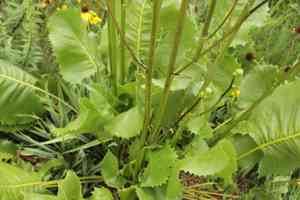
Silphium terebinthinaceum flourishes when reproduced via seeding. Initiate the process by dispersing the seeds onto meticulously prepared earth, making certain they are subtly veiled to ensure proper contact without impeding sprouting. This particular variety benefits from an environment providing ample sunlight and soil that drains effectively, fostering vigorous development. Guarantee consistent irrigation during the initial phases of growth until Silphium terebinthinaceum becomes firmly rooted.
Optimal Period for Prairie Dock Propagation
Propagation Method
Seeding
Propagation Period
Spring
Tools Required for Prairie Dock Propagation
Seeds or Direct Planting Material
This is the primary and vital component specifically needed for planting. For prairie dock, which is grown from seeds, the quality and vitality of the seeds dictate the propagation success rate. Fresh, viable seeds will ensure better germination and establishment of young plants. High-quality seeds resistant to diseases and from a known source adapted to similar climates as the planting area can significantly boost propagation success.
Seed Trays or Sowing Pots
Used for initiating seeds indoors or in controlled environments; these containers are crucial for the initial phases of prairie dock propagation. Employing seed trays can help maintain consistent soil moisture and temperature, both critical elements for prairie dock germination. Lightweight trays with drainage holes prevent waterlogging, which could lead to seed rot.
Soil or Seed Starting Mix
A premium seed starting mix offers the appropriate texture and nutrients essential for prairie dock seed germination. The medium should be loose, well-draining, and fertile to support root development and prevent water stagnation. A sterile mix reduces the risk of soil-borne diseases affecting delicate seedlings.
Labels and Markers
These are utilized to identify prairie dock seed varieties, especially when propagating multiple plant types simultaneously. Labels are crucial for documenting sowing dates, variety, and any specific treatments applied. This practice aids in monitoring growth stages and implementing appropriate care tailored to prairie dock's needs during germination and early growth.
Watering Can with a Fine Rose
Ensures gentle watering that doesn't dislodge or bury the small prairie dock seeds deeper into the soil, which can impede germination. A watering can with a fine rose attachment distributes water evenly, providing a soft shower that nourishes young seedlings without overwhelming them.
How to Propagate Prairie Dock?
Propagation Type
Simple
Caring for Your Newly Propagated Prairie Dock
Caring for Your Newly Propagated Prairie Dock
After propagation, prairie dock needs full sun and thrives in deep, rich, moist soils. However, it's adaptable and tolerates poor, dry soil conditions. Water young plants regularly until established, but avoid overwatering. As prairie dock grows tall and sturdy, it may require support in exposed or windy locations. Regularly check for pests and diseases, though prairie dock is generally resilient to most common threats.
Common Errors to Avoid When Propagating Prairie Dock
Overwatering
Excessive water can cause root rot or fungal infections for prairie dock. This plant prefers well-drained soil, and too much moisture can be particularly detrimental.
Deep planting
Planting prairie dock too deeply can hinder root growth and shoot emergence. Prairie dock's roots need sufficient exposure near the soil surface to flourish.
Using poor soil
Employing low-quality or unsuitable soil mix can impede the growth and propagation of prairie dock. This species requires nutrient-rich, well-draining soil to support its robust development.
Neglecting separation
Failure to adequately separate prairie dock's root clumps during division might result in stunted growth or root damage, affecting overall plant health.
Tips For Propagating Prairie Dock
Rhizome division
Dividing prairie dock rhizomes in spring helps manage its size and encourages new growth. Ensure each division has at least one growth node for successful propagation.
Proper planting depth
Plant prairie dock rhizomes or roots at a shallow depth to promote healthy root and shoot development. This ensures the top of the rhizome is just beneath the soil surface.
Soil enrichment
Improve soil quality using organic compost or a balanced mix of sand and loamy soil to provide the necessary nutrients and drainage required by prairie dock.
Consistent moisture
Maintain a consistent but moderate moisture level in the soil, especially during the initial growth phase post-propagation to ensure prairie dock establishes well.



