How to Propagate Snowrose?
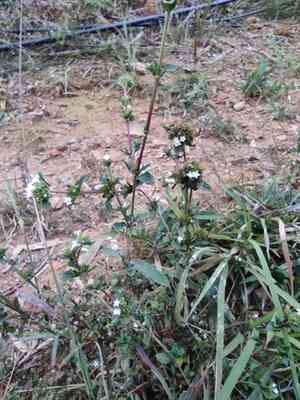
Snowrose is frequently cultivated for its aesthetic appeal, featuring fine leaves and star-like blossoms. To propagate snowrose, stem cuttings prove efficient. Choose a robust, non-blooming branch and sever a segment 2-4 inches long. Detach leaves from the bottom portion and immerse the severed tip in rooting compound to stimulate development. Insert the stem into a potting blend that drains effectively, guaranteeing elevated humidity and diffused illumination for root formation. Steady dampness without saturation will foster successful multiplication.
Optimal Time for Snowrose Propagation
Propagation Method
Cuttings
Propagation Period
Spring,Summer
Tools for Snowrose Propagation
Sharp pruning shears
Crucial for obtaining healthy, clean snowrose cuttings. Precise cuts minimize harm to the parent plant and boost the likelihood of successful rooting. Disinfected shears also reduce disease risk.
Rooting hormone powder or gel
Speeds up root formation in snowrose cuttings. Applying hormone to the fresh cut end promotes root growth, vital for new plant establishment, thereby increasing propagation success.
Sterile potting mix
Offers a clean, disease-free environment for snowrose cuttings to root. A mix for seed starting or cuttings typically provides excellent drainage and aeration, essential for root growth without waterlogging, which causes rot.
Humidity dome or plastic bags
Maintains high humidity around snowrose cuttings, preventing them from drying out before roots form. A dome or plastic bags create a mini-greenhouse effect, encouraging faster root development.
Heat mat (optional)
Encourages faster rooting by maintaining a consistent, ideal soil temperature. This is especially useful for snowrose during colder periods or climates, enhancing the rooting process and propagation success.
How to Propagate Snowrose?
Propagation Type
Moderately Difficult
Caring for Your Newly Propagated Snowrose
Caring for Your Newly Propagated Snowrose
Once snowrose cuttings have rooted, usually after 4-6 weeks, gradually introduce them to lower humidity by slightly opening the cover daily. Keep plants in bright, indirect light and water regularly to maintain consistently moist soil. Avoid direct sun to prevent scorching young leaves. Fertilize with a balanced, diluted solution every 4-6 weeks during the growing season. Prune during dormancy to maintain shape and encourage bushier growth.
Common Errors to Avoid When Propagating Snowrose
Overwatering cuttings
Propagating snowrose from cuttings requires precise moisture. Excessive watering can lead to root rot, a damaging condition from which cuttings may not recover or grow.
Using non-sterile tools
Unclean or contaminated cutting tools can introduce pathogens to snowrose cuttings. This can hinder root development or cause disease, lowering the chances of successful propagation.
Cutting improper stem sections
Taking snowrose cuttings from flowering stems or very young shoots often results in low success rates, as these parts are not ideal for root production.
Ignoring humidity requirements
Neglecting the need for high humidity can cause snowrose cuttings to dry out before rooting. Adequate humidity is vital for cuttings to establish.
Planting cuttings too deep
Inserting snowrose cuttings too deeply into the propagation medium can reduce oxygen availability at the base, which is crucial for root initiation and growth.
Tips For Propagating Snowrose
Proper cutting selection
Choosing healthy, non-flowering stems for snowrose cuttings is essential. These have a higher chance of successful rooting and growth.
Sterilize equipment
Use disinfected tools for cutting and handling to prevent disease spread, ensuring a healthy start for snowrose cuttings.
Rooting hormone use
Applying rooting hormone to the base of snowrose cuttings can boost root formation and improve the likelihood of successful propagation.
Appropriate moisture levels
Maintaining optimal moisture in the propagation medium is necessary for snowrose cuttings to root without rotting—neither too wet nor too dry.
Humidity control
Enclosing snowrose cuttings in a plastic dome or using a humidity tray helps maintain the required humidity levels during root development.



