How to Propagate Delicate spikemoss?
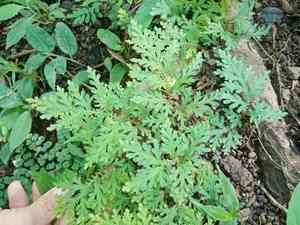
Selaginella delicata, a unique species within the Selaginella family, is valued for its refined look and abundant foliage. The most efficient way to propagate Selaginella delicata is by dividing the plant. Gently split the specimen into smaller portions, making sure each segment retains some roots. Place these divisions into a potting blend that drains effectively, keeping it adequately moist to encourage early development. This technique guarantees the swift establishment and proliferation of Selaginella delicata in appropriate settings.
Optimal Time for Delicate Spikemoss Propagation
Propagation Type
Division
Propagation Season
Spring,Autumn
Tools for Delicate Spikemoss Propagation
Sharp Knife or Garden Scissors
A keen blade or horticultural shears are crucial for precise cuts when separating delicate spikemoss. Clean cuts minimize plant tissue damage and lower infection risk, ensuring robust divisions.
Rooting Hormone
Though not always essential, applying a rooting hormone can boost root development and establishment in delicate spikemoss. This aids new divisions in forming strong root systems faster, improving their survival odds.
Sterile Potting Mix
A pathogen-free potting medium is vital for providing a disease-free setting for delicate spikemoss. It should drain well and be aerated to support the fragile root systems. A sterile mix reduces fungal and bacterial infection chances.
Small Pots or Containers
Compact pots or receptacles are needed to house the new delicate spikemoss divisions. They must have adequate drainage to prevent waterlogging, which can be harmful to this species.
Mist Spray Bottle
A misting bottle helps maintain the high humidity levels delicate spikemoss prefers, especially during the rooting phase. Regular misting keeps the plant and soil damp without overwatering, which is key for its growth.
Humidity Dome or Plastic Bag
A humidity dome or a plastic bag can create a miniature greenhouse effect, sustaining high humidity around the new delicate spikemoss divisions. This environment supports better rooting and lessens transplant shock.
Labeling Tags
Identification tags are useful for tracking various delicate spikemoss divisions and their propagation dates. This assists in monitoring their progress and ensuring proper care for each plant segment.
How to Propagate Delicate Spikemoss?
Propagation Type
Easy
Caring for Your Newly Propagated Delicate Spikemoss
Caring for Your Newly Propagated Delicate Spikemoss?
Post-propagation, keep the newly separated delicate spikemoss sections in a warm, moist environment with indirect light. Regularly mist the plants to maintain high humidity and water consistently to keep the soil damp but not saturated. Avoid direct sunlight to prevent scorching of the delicate fronds. Watch for signs of stress or disease, such as yellowing fronds or root rot, and address issues promptly to ensure healthy growth.
Common Errors to Avoid When Propagating Delicate Spikemoss
Overwatering
Excessive moisture can lead to root rot and fungal growth, compromising the health and viability of delicate spikemoss.
Underwatering
Insufficient water can cause desiccation, preventing proper establishment and growth of new plants.
Inadequate Light
Exposure to direct sunlight or insufficient light can stress delicate spikemoss, reducing its propagation success.
Improper Soil Mix
Using heavy or poorly draining soil can suffocate roots and hinder the plant's ability to absorb nutrients and water correctly.
Neglecting Humidity
Low humidity levels can cause dehydration since delicate spikemoss thrives in humid environments.
Tips For Propagating Delicate Spikemoss
Maintain Moisture
Ensure consistent moisture levels without waterlogging the soil to support healthy root development.
Use Well-Draining Soil
Opt for a soil mix that allows proper drainage while retaining necessary moisture.
Provide Indirect Light
Position delicate spikemoss in a location with bright, indirect light to prevent stress and promote growth.
High Humidity
Create a humid environment, such as using a humidity tray or a misting routine, to mimic delicate spikemoss's natural habitat.
Monitor Regularly
Frequently check moisture, light, and humidity conditions to adjust care practices as needed for optimal propagation.



