How to Propagate Woodland stonecrop?
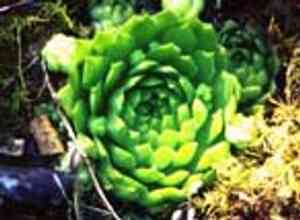
Sedum ternatum is a ground-hugging succulent that expands its presence via vegetative cuttings during the spring and summer seasons. It is quite simple to multiply and flourishes in damp, shaded conditions. Indicators of successful multiplication involve the development of roots and the emergence of fresh leaves. During the propagation process, ensure the utilization of sharp, sanitized implements and refrain from overwatering the substrate to avert decay.
Optimal Time for Woodland Stonecrop Propagation
Propagation Method
Cutting
Propagation Period
Spring, Summer
Tools for Woodland Stonecrop Propagation
Sharp pruning shears
These are vital for making clean cuts on the parent plant without harming the tissues. Sharp, sanitized blades help prevent disease and encourage robust root growth in woodland stonecrop during cutting propagation.
Rooting hormone powder or gel
Applying rooting hormone to the cut end of a woodland stonecrop cutting can speed up root formation and boost the likelihood of successful propagation. This substance mimics natural plant hormones that stimulate root development.
Potting mix
A well-draining, nutrient-rich potting mix is essential for woodland stonecrop cuttings to develop roots. A blend that allows for good air circulation and water retention without becoming soggy supports the delicate new roots.
Propagation tray or pots
These containers are used to plant the woodland stonecrop cuttings while they root. Using trays or small pots simplifies managing environmental conditions, such as humidity and temperature, which are crucial for root development.
Plastic covers or humidity domes
Maintaining high humidity around woodland stonecrop cuttings is critical. Plastic covers or domes create a mini-greenhouse effect, retaining moisture in the air and preventing the cuttings from drying out before roots form.
Heat mat
Gentle warmth from below can stimulate root growth in woodland stonecrop cuttings. A heat mat placed under the propagation tray can provide consistent warmth, which is beneficial, especially during cooler months or in colder climates.
Misting bottle
Regular misting of the woodland stonecrop cuttings helps maintain the necessary humidity levels, keeps the cuttings hydrated, and can wash away potential pathogens that might harm the cutting before it takes root.
How to Propagate Woodland Stonecrop?
Propagation Method
Cutting
Difficulty Level
Easy
Caring for Newly Propagated Woodland Stonecrop
Caring for Newly Propagated Woodland Stonecrop
After propagation, woodland stonecrop requires consistent moisture, especially when planted in drier locations or containers. It thrives in partial to full shade, so shield it from intense afternoon sun. Soil should be rich and well-drained, and woodland stonecrop will benefit from occasional organic matter additions. Mulch lightly around the base to retain moisture and regulate soil temperature. Monitor for pests, and divide or prune as needed to maintain desired shape and vigor.
Common Errors to Avoid When Propagating Woodland Stonecrop
Overwatering
Providing too much water during propagation can lead to root rot, which is harmful to woodland stonecrop. Excessive moisture reduces oxygen supply to the roots, encouraging fungal growth and decay.
Deep planting
Planting woodland stonecrop cuttings too deeply can hinder their ability to form roots and shoots. Sufficient access to light and air is crucial for successful rooting.
Neglecting to remove lower leaves
Failing to strip the lower leaves from cuttings of woodland stonecrop can cause them to rot when buried in the soil, potentially introducing pathogens to the propagation medium.
Using poor soil mix
Using a soil mix that doesn't drain well can result in waterlogged conditions that are unfavorable for woodland stonecrop's root development, leading to rot and decreased propagation success.
Ignoring hygiene
Not sterilizing tools or using contaminated pots can introduce diseases to woodland stonecrop, which is particularly vulnerable during the propagation phase due to open wounds from cuttings.
Tips For Propagating Woodland Stonecrop
Adequate light
Ensure woodland stonecrop cuttings are placed in a well-lit area but out of direct, harsh sunlight, which can prevent desiccation and promote healthy rooting.
Moderate watering
Water woodland stonecrop cuttings moderately to keep the soil moist but not waterlogged, which can support root formation without risking rot.
Proper soil mix
Use a well-draining soil mix, rich in organic matter, to provide the ideal balance of moisture and aeration necessary for woodland stonecrop's root growth.
Shallow planting
Plant woodland stonecrop cuttings shallowly so that the node where the leaves were removed is just below the surface of the soil, to facilitate rooting and shoot development.
Regular monitoring
Keep a close eye on woodland stonecrop cuttings for signs of growth or distress, adjusting care practices as necessary to ensure healthy development.



