How to Propagate Peruvian peppertree?
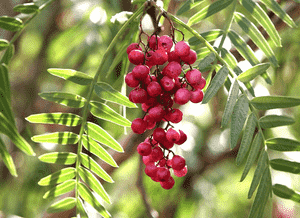
The most suitable period for propagating Peruvian peppertree is during springtime, employing techniques like cuttings and air layering. This procedure can present a moderate level of difficulty, yet successful multiplication is evidenced by the emergence of fresh shoots and root formation. Guarantee appropriate humidity and warmth to achieve the best outcomes.
What Is the Best Time To Propagate Peruvian Peppertree?
Propagation Type
Cutting
Propagation Season
Autumn,Winter
What Tools Are Used in Peruvian Peppertree Propagation?
Pruning Shears
Designed specifically for making clean cuts without harming peruvian peppertree's stem tissue, pruning shears are crucial for taking cuttings. A sharp pair can easily cut through semi-hardwood branches, ensuring a smooth cut that heals better and reduces disease risk. They are especially useful for peruvian peppertree as they promote healthy callus formation, essential for root development.
Rooting Hormone
A rooting hormone speeds up root formation and boosts the success rate of propagation for peruvian peppertree. This synthetic auxin mimics natural plant hormones that stimulate root growth, vital for the hardwood cuttings of peruvian peppertree which might otherwise root more slowly. Applying rooting hormone directly to the cut stem end encourages quicker root development.
Sterilizing Agent
Tools used for peruvian peppertree propagation, such as pruning shears, must be sterilized before use to prevent disease transmission. A sterilizing agent like isopropyl alcohol or bleach solution can be used to sanitize tools. Clean tools ensure no pathogens are introduced to the fresh cutting, making this step crucial for the plant's initial health.
Propagation Medium
A well-draining, sterile propagation medium is vital for peruvian peppertree cuttings to root successfully. A mix of peat, perlite, and sand offers suitable aeration and moisture retention. This medium supports new root development without staying too wet, which could lead to rot in peruvian peppertree cuttings.
Plant Pots or Trays
Appropriate containers are needed to hold the propagation medium and peruvian peppertree cuttings. They should have sufficient drainage holes to prevent waterlogging, which is harmful to the rooting process of peruvian peppertree. The container size should match the number and size of cuttings to ensure adequate growing space without overcrowding.
Plastic Bags or Domes
Maintaining high humidity around peruvian peppertree cuttings is important to prevent water loss while roots establish. Clear plastic bags or domes can be placed over pots or trays to act as mini-greenhouses, trapping moisture in the air around peruvian peppertree cuttings. This tool creates an ideal microclimate for promoting root development.
How to Care for Your Newly Propagated Peruvian Peppertree?
How to Care for Your Newly Propagated Peruvian Peppertree?
After propagation, gradually introduce the new peruvian peppertree to its permanent spot. Ensure it gets full sun to partial shade and water deeply but less often to encourage a strong root system. Provide a balanced, slow-release fertilizer during the growing season. Prune regularly to maintain shape and remove dead or diseased branches.
Common Mistakes to Avoid When Propagating Peruvian Peppertree
Overwatering
Gardeners often overwater peruvian peppertree cuttings, believing it will promote growth, but excessive moisture can cause rot, especially in the delicate cuttings needed for propagation.
Deep planting
Planting peruvian peppertree cuttings too deeply can lead to poor aeration, increasing the risk of fungal infections and decay, which can hinder successful rooting.
Ignoring hygiene
Failing to use sterilized tools or containers when propagating peruvian peppertree can introduce pathogens, leading to disease in new plants.
Overcrowding
Placing peruvian peppertree cuttings too close together can restrict airflow and light penetration, creating conditions favorable for disease and poor root development.
Tips For Propagating Peruvian Peppertree
Correct moisture
Maintain balanced moisture for peruvian peppertree cuttings by keeping the soil consistently damp but not waterlogged, which supports healthy root formation without rotting.
Appropriate depth
Plant peruvian peppertree cuttings at the correct depth to ensure good soil contact without burying them too deeply, allowing for optimal rooting and aeration.
Sterilization
Use sterile tools and containers to propagate peruvian peppertree to prevent disease introduction, ensuring a higher success rate of healthy plant growth.
Adequate spacing
Provide peruvian peppertree cuttings with enough space to ensure sufficient light and airflow, which helps prevent disease and promotes stronger root systems.



