How to Propagate Brahma kamal?
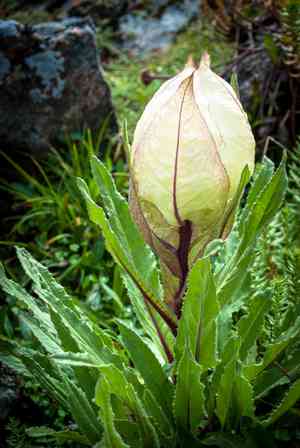
This esteemed mountain flora showcases splendid blossoms that flourish in elevated areas. Reproduction primarily occurs via seed dispersal. To achieve successful sprouting, cultivate a sandy, well-draining soil blend to replicate its indigenous coarse landscape. Disperse the seeds on the surface, as they necessitate illumination for germination. Lightly embed them into the soil, refraining from covering them. Consistent spraying guarantees the soil stays damp without becoming saturated. Young plants need safeguarding from harsh elements, therefore a hothouse or comparable regulated setting is advantageous until they display vigorous development and are ready for relocation.
When Is the Optimal Time to Propagate Brahma Kamal?
Propagation Method
Seeding
Propagation Period
Spring
What Equipment Is Used for Brahma Kamal Propagation?
Seed trays
Seed trays are vital for initiating brahma kamal from seeds. These containers facilitate uniform seed distribution and maintain proper spacing to prevent crowding. Their compact size and consistent design aid in sustaining stable soil conditions, which is crucial for brahma kamal germination.
Sterile potting mix
A sterile potting medium is advised to ensure brahma kamal seeds are free from pathogen interference during the critical germination phase. This mix also supplies essential nutrients and aeration for developing roots, supporting robust seedling growth.
Misting bottle
A misting bottle is employed to gently irrigate brahma kamal seeds and seedlings, providing necessary moisture for germination without disturbing the soil or seeds. The fine spray emulates natural dew, helping to maintain a humid environment, which benefits brahma kamal germination.
Heat mat
A heat mat is particularly useful for maintaining a consistent and appropriate growing temperature for brahma kamal's seeds. Optimal soil temperature is a critical factor for the germination of many high-altitude plants like brahma kamal, and a heat mat assists in regulating this environment.
Grow lights
If natural sunlight is insufficient, especially indoors, grow lights can deliver the necessary light spectrum to support photosynthesis and growth of brahma kamal seedlings. This ensures seedlings develop strong and healthy, even in suboptimal natural light conditions.
Labeling materials
Labels and markers are important for documenting the sowing date and monitoring brahma kamal's growth progress. Proper labeling helps maintain an organized propagation environment, particularly when managing multiple plant species.
How to Propagate Brahma Kamal?
Propagation Difficulty
Simple
How to Care for Your Newly Propagated Brahma Kamal?
How to Care for Your Newly Propagated Brahma Kamal?
Post-germination, gradually acclimate seedlings to their permanent growing conditions before transplanting. Ensure brahma kamal receives partial to full sun, moderate watering, and protection from harsh weather. Regular feeding with a balanced, slow-release fertilizer will promote healthy development. Given brahma kamal's delicate nature, providing a wind-sheltered spot and avoiding overly wet or dry conditions is essential for its flourishing.
Common Errors to Avoid When Propagating Brahma Kamal
Overwatering
Supplying too much water can lead to root rot for brahma kamal, which thrives better in well-draining soil. Waterlogged soil can hinder growth and reduce the survival rate of new propagations.
Insufficient light
Brahma kamal requires adequate sunlight to facilitate photosynthesis and healthy growth. Insufficient light can result in weak, leggy growth and diminish the plant's overall vigor.
Using poor-quality cuttings
Employing diseased or weak cuttings for propagation severely impacts success rates. Inferior cuttings may not establish well, leading to failed propagation attempts.
Over-fertilizing
Applying too much fertilizer can harm brahma kamal, causing salt accumulation in the soil which can burn roots and inhibit growth. Balancing nutrient supply is crucial, especially during early propagation stages.
Advice for Propagating Brahma Kamal
Use healthy parent plants
Ensure the parent plant is healthy and robust to increase the likelihood of successful propagation. Healthy parent material provides strong cuttings that are more likely to root and grow well.
Ensure proper soil mix
Using a well-draining soil mix enriched with organic matter supports brahma kamal's root health. A mix that retains sufficient moisture without causing waterlogging is ideal for propagation.
Provide adequate light
Expose brahma kamal to sufficient but indirect sunlight to promote vigorous growth without causing sunburn. This balances the need for light without the risk of heat stress.
Moderate watering
Maintain a consistent but moderate watering schedule to keep the soil moist but not excessively wet. This aids in root establishment without risking waterlogging.



