How to Propagate Purple pitcher plant?
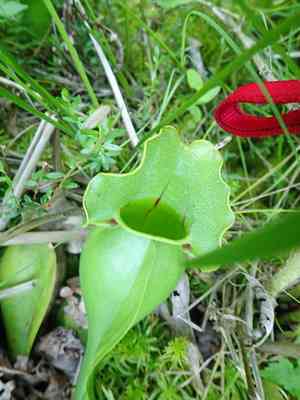
The purple pitcher plant, a perennial carnivorous species, flourishes in acidic, nutrient-deficient substrates. For its propagation, horticulturists commonly utilize division. This process entails gently separating the rhizomes while the plant is dormant, minimizing any potential strain. Each separated section must contain a segment of the rhizome along with at least one active growth bud. This technique ensures the preservation of particular traits and fosters robust, genetically uniform progeny. Meticulous handling and the selection of a suitable growing medium are crucial for the successful propagation of the purple pitcher plant.
When Is the Optimal Time to Propagate Purple Pitcher Plant?
Propagation Method
Splitting
Propagation Period
Spring,Autumn
What Tools Are Utilized in Purple Pitcher Plant Propagation?
Sharp knife or garden scissors
Crucial for making clean cuts through the rhizomes of purple pitcher plant during the division process. A sharp, sterilized blade ensures precise incisions, minimizing plant tissue damage, which promotes faster healing and reduces infection risk.
Sterilizing agent (e.g., isopropyl alcohol or bleach solution)
Used to sanitize cutting implements before and after their use on purple pitcher plant. This prevents disease transmission between specimens and ensures clean cuts to support healthy regeneration.
Watering can with a fine rose
Important for gently irrigating purple pitcher plant after propagation. A fine rose attachment helps to evenly distribute water without disturbing newly planted divisions, ensuring they remain adequately hydrated as they establish roots.
Rooting hormone
Though not always essential, rooting hormone can aid in stimulating root development in more challenging purple pitcher plant divisions. This enhances propagation success by encouraging quicker establishment in new environments.
High-quality peat moss or a peat-sphagnum mix
Ideal for replicating the acidic, bog-like conditions where purple pitcher plant thrives. This substrate retains sufficient moisture while allowing for proper aeration and drainage, vital for newly propagated plants.
Gloves
Helpful for safely handling purple pitcher plant without harming the plant or the propagator. They protect hands from natural enzymes and bacteria present on the plant's surfaces, ensuring a safe propagation procedure.
How to Propagate Purple Pitcher Plant?
Propagation Type
Simple
How to Care for Your Newly Propagated Purple Pitcher Plant?
How to Care for Your Newly Propagated Purple Pitcher Plant?
Following purple pitcher plant propagation, place the new plants in an area with partial sun, as intense, direct sunlight can scorch the pitchers. Maintain high humidity and keep the soil consistently moist but not waterlogged, using distilled or rainwater to prevent mineral accumulation harmful to purple pitcher plant. During active growth, allow for slight drying between waterings. No fertilizer is necessary, as purple pitcher plant obtains nutrients from captured insects. Monitor for pests or fungal issues, especially in the humid environment. Regularly remove any dead pitchers to encourage healthier growth.
Common Mistakes to Avoid When Propagating Purple Pitcher Plant
Excessive watering
Saturating the soil can lead to root rot for purple pitcher plant, as they require a moist but well-drained substrate.
Use of standard potting soil
Purple pitcher plant flourishes in nutrient-poor, acidic media. Standard potting soil can be too rich in nutrients and may not support proper growth.
Insufficient lighting
Purple pitcher plant needs ample sunlight to perform photosynthesis and generate the energy required for growth and trapping prey.
Contaminated water
Using tap water may introduce minerals that could accumulate and harm the purple pitcher plant's roots. The plant is adapted to very pure water conditions.
Neglecting humidity requirements
Purple pitcher plant requires high humidity to maintain tissue health and proper trap function, which is often overlooked.
Tips For Propagating Purple Pitcher Plant
Appropriate medium
Utilize a blend of peat moss and perlite or sand to mimic purple pitcher plant's natural bog habitat and provide the necessary drainage and acidity.
Distilled water
Water purple pitcher plant using rainwater, distilled water, or reverse osmosis water to prevent mineral buildup and simulate their natural water source.
Maximum light exposure
Provide purple pitcher plant with full to partial sunlight for at least six to eight hours daily to support their need for high light levels.
Humidity control
Maintain high humidity around purple pitcher plant through methods such as placing the pot on a water tray with pebbles to increase moisture in the immediate environment.
Gentle division
Propagate purple pitcher plant through division carefully, avoiding damage to the delicate root system to ensure the success of new growth.



