How to Propagate Yellow pitcherplant?
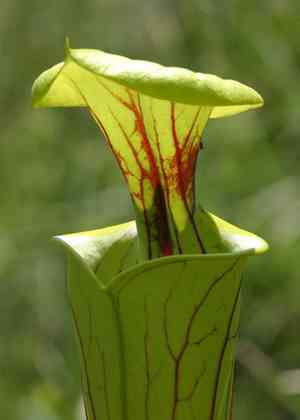
The yellow pitcherplant flourishes through division, a technique involving the separation of the plant at its root system or rhizome. Cultivators ought to carefully untangle the roots, making sure every segment possesses a growth bud prior to transplanting into moist earth. Precaution is necessary to avoid harming the delicate pitchers. Given suitable hydration, illumination, and substrate conditions, fresh development will appear, sustaining the vigor of the yellow pitcherplant.
When Is the Optimal Time to Propagate Yellow Pitcherplant?
Propagation Method
Splitting
Propagation Period
Spring,Autumn
What Tools Are Necessary for Yellow Pitcherplant Propagation?
Sharp Knife or Scalpel
This instrument is crucial for making clean cuts through the rhizome of yellow pitcherplant during division, its recommended propagation technique. A sharp knife ensures precise incisions that minimize harm to plant tissues, promoting faster recovery and lowering infection risk. It's vital to sterilize the tool before use to prevent pathogen introduction.
Gardening Gloves
Handling yellow pitcherplant during propagation can be challenging due to its intricate structure and size. Gloves safeguard the gardenerâs hands from potential soil irritants and assist in handling the plant more securely without damaging its delicate pitcher structures.
Sterilizing Agent (e.g., Isopropyl Alcohol or Bleach Solution)
This item is essential for sanitizing propagation tools both before and after use. It helps prevent disease transmission between plants. For yellow pitcherplant, which can be susceptible to bacterial and fungal infections, especially at cut sites, sterilized tools ensure a healthier propagation outcome.
Watering Can with a Fine Rose
Following division, it's important to gently water yellow pitcherplant to help settle the soil around the roots and provide necessary hydration. A watering can with a fine rose attachment is ideal, as it allows for gentle, even water distribution without dislodging soil or harming the plant's structure.
Rooting Hormone (optional)
While not always required, applying a rooting hormone can help stimulate root development in yellow pitcherplant after division. Using a rooting hormone on cut surfaces can encourage quicker root establishment and improve the overall success rate of propagation.
How to Propagate Yellow Pitcherplant?
Propagation Type
Simple
How to Care for Your Newly Propagated Yellow Pitcherplant?
How to Care for Your Newly Propagated Yellow Pitcherplant?
Yellow pitcherplant requires specific post-propagation care to flourish. Ensure the plant is in a location with partial sunlight and maintains high humidity. Water consistently with distilled or rainwater to keep the soil moist but not waterlogged. Regularly remove any dead or decaying pitchers to promote new growth and prevent fungal issues. During the growing season, you can apply a diluted fertilizer designed for carnivorous plants to encourage vigorous health.
Common Mistakes to Avoid When Propagating Yellow Pitcherplant
Excessive Watering
Overwatering can lead to root rot in yellow pitcherplant, as their natural habitat includes wetlands that experience dry periods. Constantly saturated soil can be detrimental to their well-being.
Using Tap Water
Regular tap water can contain minerals harmful to yellow pitcherplant, which are adapted to nutrient-poor conditions. Using water high in minerals can cause a buildup that harms the plant.
Poor Soil Selection
Choosing an unsuitable soil mix can hinder root development and nutrient absorption in yellow pitcherplant. A standard potting mix can be too nutrient-rich and may not provide the necessary drainage and aeration.
Neglecting Humidity Requirements
Yellow pitcherplant thrives in moist environments. Insufficient humidity can stress the plant and disrupt proper growth and pitcher formation.
Tips For Propagating Yellow Pitcherplant
Use Distilled Water
To replicate the natural water conditions of yellow pitcherplant, use distilled or rainwater, which is mineral-free and better suited to the plant's needs.
Appropriate Soil Medium
Propagate yellow pitcherplant in a mix of peat and perlite or sand to ensure proper drainage and simulate their native, acidic soil environment while providing adequate support.
Maintain High Humidity
Keep the humidity elevated around the propagated yellow pitcherplant to facilitate growth, which can be achieved with humidity domes or trays if indoor propagation is being done.
Limit Fertilizer
Avoid fertilizing yellow pitcherplant extensively as they are accustomed to nutrient-poor conditions. Excessive nutrients can hinder pitcher development and growth.



