How to Propagate Snake plant?
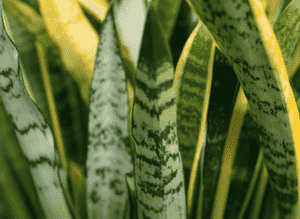
Sansevieria is most effectively multiplied through separation in either the Spring or Autumn periods. This technique is quite straightforward, with successful outcomes indicated by the emergence of fresh shoots. Guarantee sufficient root portions during the division process for the best results.
When Is the Optimal Time to Propagate Snake Plant?
Propagation Method
Division
Propagation Period
Spring, Autumn
What Implements Are Utilized for Snake Plant Propagation?
Sharp Clean Knife or Shears
These instruments are employed to carefully separate rhizomes or sever the thick, fleshy roots of snake plant with minimal harm. A precise cut is vital to avert infection and encourage faster recovery. Sharpness is crucial for an accurate cut without crushing plant tissues, which could impede the healing process.
Sterilizing Agent (e.g., Rubbing Alcohol or Bleach Solution)
Before cutting, tools should be disinfected to prevent disease transmission. Applying a sterilizing agent to the knife or scissors ensures that pathogens are not transferred to the cut surfaces of snake plant. This is especially important for snake plant, as any bacterial or fungal infection could hinder propagation success.
Potting Medium
A well-draining, sterile potting mix is essential to provide adequate support and conditions for the newly separated snake plant to establish roots and grow. The mix should mimic snake plant's natural growing environment, typically including a blend of soil, sand, and perlite or pumice to aid drainage.
Suitable Containers
Pots with drainage holes are necessary to accommodate the new divisions of snake plant. They should be appropriately sized to allow for root development without being excessively large, which could retain too much moisture and lead to root rot.
Watering Can with Fine Rose
Following propagation, snake plant requires gentle watering to help settle the soil around the roots and provide moisture. A watering can with a fine rose attachment ensures that water is distributed evenly and delicately, preventing soil compaction and damage to young roots.
Labels and Marker
Labeling each new snake plant division with the propagation date and any other pertinent information is helpful for tracking growth progress and care requirements. Permanent markers are advisable to ensure the information remains legible over time.
How to Propagate Snake Plant?
Propagation Method
Division
Difficulty Level
Easy
How to Care for Your Newly Propagated Snake Plant?
How to Care for Your Newly Propagated Snake Plant?
Maintain a consistent watering schedule for the snake plant, allowing the soil to dry out between waterings. Provide bright, indirect light and avoid exposing it to direct sunlight, which can scorch the leaves. Keep the plant in a stable environment with temperatures above 50°F (10°C) and avoid cold drafts. Fertilize with a balanced, water-soluble fertilizer diluted to half strength during the growing season. Refrain from repotting until the snake plant is root-bound, as it thrives in snug conditions.
Common Errors to Avoid When Propagating Snake Plant
Excessive watering of cuttings
Root rot is a frequent outcome of overwatering during snake plant propagation. Saturated soil eliminates the air pockets roots require, leading to decay and a reduced chance of successful rooting.
Using dull implements
Cutting snake plant with blunt tools can damage tissue and create jagged edges, increasing infection risk and hindering proper healing and root formation.
Taking an excessively small cutting
Snake plant cuttings that are too small may lack sufficient energy reserves to support new growth, resulting in a lower success rate for rooting and development.
Neglecting cleanliness
Using unsterilized pots or tools can introduce pathogens to snake plant cuttings, which could lead to infection and potentially kill the propagating material.
Tips For Propagating Snake Plant
Correct cutting technique
Making a clean, sharp cut just below a leaf node ensures that snake plant has the best chance of rooting, as nodes are points where rooting hormones concentrate.
Allowing callus formation
Before planting, let the cut end of snake plant dry out and form a callus for a few days. This helps prevent rotting when the cutting is planted.
Appropriate soil mixture
Planting snake plant in a well-draining soil mix prevents moisture accumulation around new roots, promoting healthy growth and reducing rot risk.
Indirect sunlight
Placing the propagating snake plant in bright, indirect sunlight supports energy generation for growth without causing the stress of direct, harsh sunlight.



