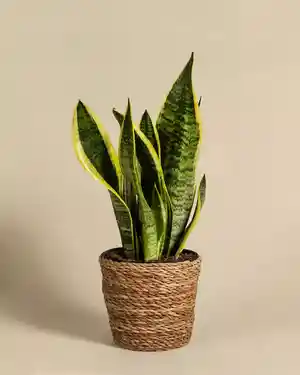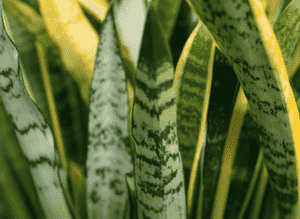
Snake plant(Sansevieria trifasciata)

Snake plant (Sansevieria trifasciata)

Also known as: Viper's bowstring hemp

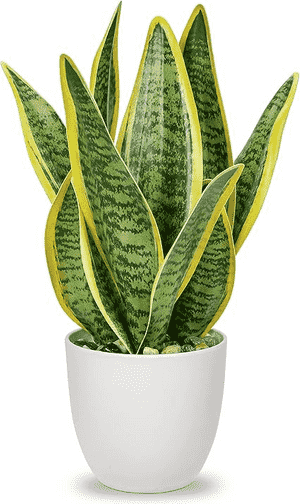
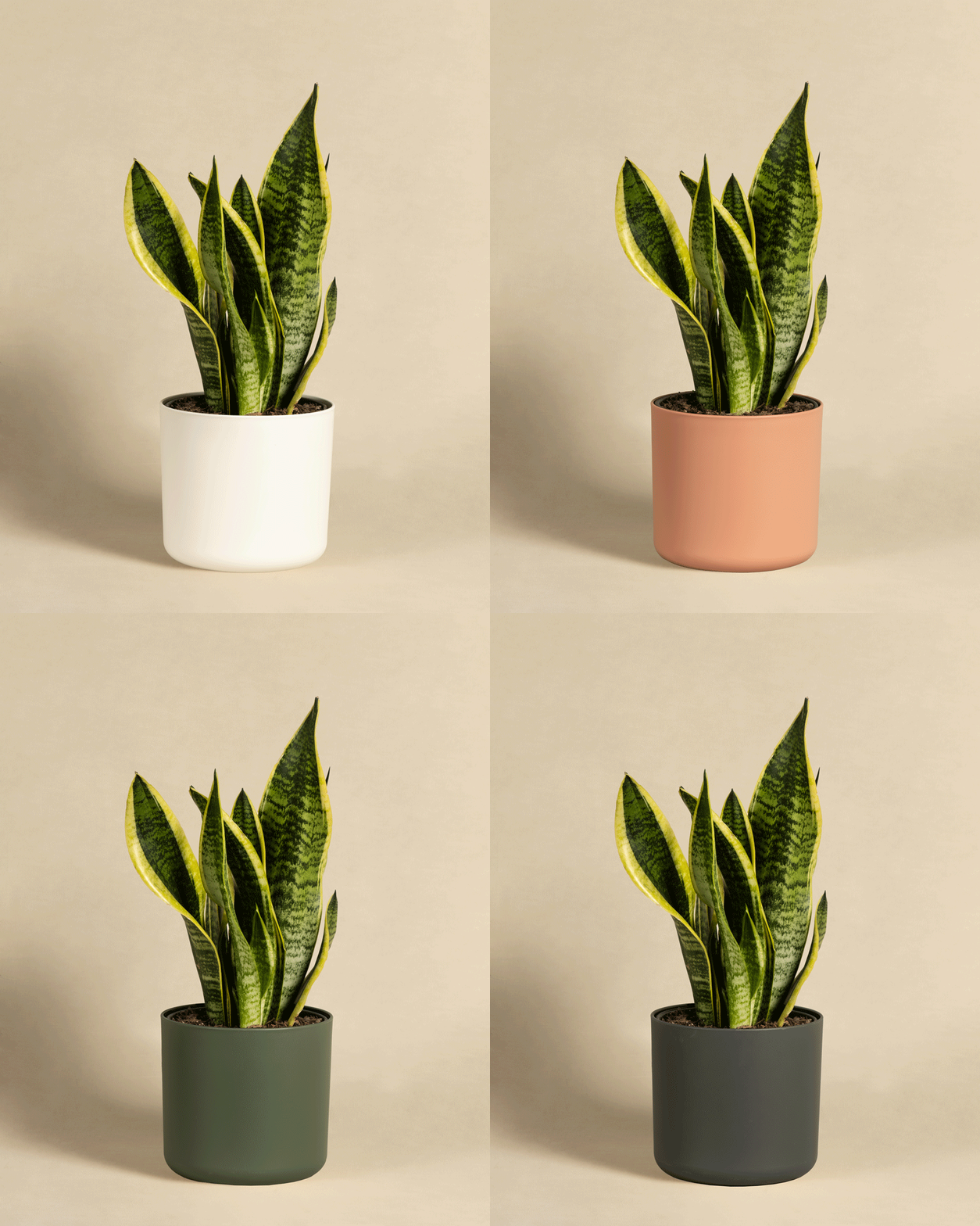
The snake plant, often called Sansevieria or mother-in-law's tongue, is appreciated for its striking, sword-shaped leaves that often feature bold green patterns with yellow or white edges. Its unique appearance makes it a popular choice for both houseplants and decorative displays.

However, it's important to note that the snake plant is toxic if ingested, potentially causing symptoms such as nausea, vomiting, and swelling of the mouth and throat. Therefore, it's crucial to keep it out of reach of pets and children.

Attributes of Snake plant

Lifespan
Perennial
Plant Type
Succulent, Herb
Plant Height
30 cm to 2 m
Spread
30 cm
Leaf Color
Green
Flower Size
1.6 cm to 3 cm
Flower Color
Green White

ForwardPlant - Identify plants with a snap

Identify and diagnose plants, get toxicity alerts, and explore safety guides for all types of fungi.

Try for Free

Images of Snake plant

Snake plant(Sansevieria trifasciata)

Quickly Identify Snake plant

1
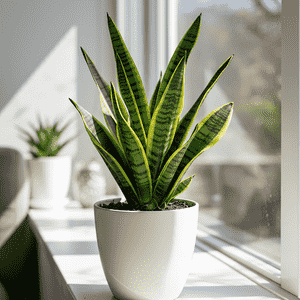
The plant can be identified by its tall, stiff, upright leaves that are typically mottled with shades of green, grey, and sometimes yellow stripes along the edges.

Scientific Classification of Snake plant

Phylum
Vascular plants
Class
Monocotyledons
Order
Asparagus and allies
Family
Asparagus
Genus
Snake plants
Species
Snake plant

Planting and Growing of Snake plant

Care Difficulty
Easy
Watering Schedule
Every 2 days
Sunlight Requirements
Full sun
Sunshine Duration
4-8 hours
Ideal Temperature
65-80℉
Soil Type
Potting Mix, Peat Mix
Soil pH
6.5-7.5
Fertilizer Type
Balanced
Pruning Season
Spring, Summer
Pruning Area
Branches, Leaves
Pruning Frequency
2 times a year
Repotting Season
Spring
Pot Type
Plastic, Ceramic

water icon How to Water Snake plant?

For Sansevieria trifasciata, it's essential to water adequately, but not excessively. The plant thrives when its soil dries out between waterings. Ideally, about 200 ml per watering is sufficient, ensuring it's enough to moisten the soil without creating a soggy environment.
What are the symptoms of an underwatered Snake plant?
What should I do if my Snake plant is not getting enough water?
What are the symptoms of an overwatered Snake plant?
How to save an overwatered Snake plant?
More About Watering Techniques

sunlight icon What Are the Sunlight Requirements for Snake plant?

Sunlight Requirements: Full sun, Partial sun
Duration of light: 4-8 hours daily
Sansevieria trifasciata flourishes in partial to full sunlight. This light range ensures vibrant, healthy foliage, supporting its air-purifying capabilities and overall vitality.
What is the perfect lighting environment for Sansevieria trifasciata?
How can you achieve ideal lighting for Sansevieria trifasciata?
What are the benefits of proper lighting for Sansevieria trifasciata?
More About Sunlight Requirements Techniques

temperature icon What Is the Ideal Temperature Range for Snake plant?

Ideal Temperature: 65 ~ 80℉
Sansevieria trifasciata thrives best in temperatures ranging from 65°F to 80°F. This range is ideal because it mimics their native African environment, which is warm but not overly hot. Maintaining this temperature helps ensure robust growth and vibrant foliage.

soil icon What Soil is Best for Snake plant?

Soil type: Sandy loam, Loam, Sandy soil
Soil PH: 6.5 ~ 7.5
Sansevieria trifasciata thrives in nutrient-rich soil since it helps support robust growth and vibrant leaf colors. A fertile substrate provides essential minerals for the plant's structural and metabolic processes, promoting overall plant health. A well-draining soil is essential to prevent water accumulation around the roots of Sansevieria trifasciata. This characteristic helps avoid root rot, which is a common issue for this plant, ensuring it remains healthy and strong. While tolerant of dryness, Sansevieria trifasciata prefers soil that retains some moisture without being overly wet. This balance prevents dehydration while avoiding waterlogging, providing optimal conditions for the plant's wellbeing. More About Soil

fertilize icon How to Fertilize Snake plant?

Fertilizer type: Balanced
The fertilizer amount for Sansevieria trifasciata should be modest as this plant is quite resilient and doesn't need much feeding. During the growing season, apply a half-strength balanced liquid fertilizer once a month. Avoid over-fertilizing as it can harm the plant.

prune icon How to Prune Snake plant?

Pruning Time: Spring, Summer
To prune Sansevieria trifasciata, begin by inspecting the plant for dead or damaged leaves. Use clean, sharp scissors or pruning shears to cut these leaves at the base. Trim back long, unruly leaves to maintain the plant's natural shape. When dividing the plant, carefully separate the roots by hand or use a clean knife, and repot the divisions in fresh soil.

propagate icon How to Propagate Snake plant plant?

Propagate Time: Spring, Early summer
1
Choose healthy, mature leaves that exhibit no signs of damage or disease. This enhances the likelihood of successful propagation.
2
Use a sharp knife to make a V-shaped cut at the base of the leaf you're propagating. This increases the surface area for rooting.
3
Dip the cut end of the leaf into rooting hormone to encourage root development and reduce the risk of rot.
More About Propagating Techniques

repot icon How to Repot Snake plant plant?

Repotting frequency: Every 2-3 years
1
Sansevieria trifasciata should be repotted when you notice it's become root-bound, which means the roots are coiling around the pot's inside or growing out of the drainage holes. Another sign is if the plant's growth seems stunted. Ideally, repot in spring or summer when the plant is actively growing, which allows it to recover quickly.
2
Select a pot that's one size larger than the current one. Make sure the new pot has drainage holes to prevent root rot. A slightly heavy pot is good since the plant can become top-heavy, ensuring stability as the plant grows taller. Choosing the right pot helps maintain the plant’s health by allowing adequate space for root development.
3
Pick a well-draining soil mix like that used for cacti or succulents. This type of soil reduces the risk of overwatering by ensuring that excess moisture isn't retained. Additionally, it provides the needed aeration and nutrient-rich environment Sansevieria trifasciata thrives in, which supports healthy root growth.
More About Repotting Techniques

ForwardPlant - Identify plants with a snap

Find the best spots for them to optimize their health, simply using your phone.

Try for Free

Toxicity of Snake plant

Is Snake plant toxic to humans?

The snake plant exhibits low-level toxicity to humans due to the presence of saponin compounds, which can render anyone ill if they consume its leaves. Poisoning symptoms may encompass vomiting, nausea, diarrhea, and excessive saliva production. However, it does not trigger any negative reactions from physical contact. Accidental ingestion is the most common cause of poisoning, particularly affecting children, as the snake plant is a widely favored and visually striking houseplant.

Is Snake plant toxic to cat?

A highly prevalent plant found in residences and workplaces, the snake plant (Sansevieria trifasciata) possesses mild to moderate toxicity upon the consumption of its leaves. Ingesting substantial amounts can lead to nausea and vomiting, or may result in a numbing feeling in the mouth along with swelling of the throat. Immediate veterinary assistance is highly recommended if a cat exhibits these symptoms.

Is Snake plant toxic to dog?

The snake plant poses a moderate level of toxicity to dogs. Its sap, present in all sections of the plant, contains saponins that, when ingested, can result in gastrointestinal disturbances, such as nausea, vomiting, and diarrhea. In more serious instances, it may cause hemolysis of red blood cells. Fortunately, the presence of saponins gives the plant a distinctly bitter taste, which generally discourages dogs from consuming it in substantial amounts.

Identify toxic plants for your safety

Learn which plants are harmful to you and your pets, and make informed choices for a safer home!

Try for Free
WARNING
The judgment on toxicity and danger is for reference only. We DO NOT GUARANTEE any accuracy of such judgment. Therefore, you SHALL NOT rely on such judgment. It is IMPORTANT TO SEEK PROFESSIONAL ADVICE in advance when necessary.
More About Toxic Techniques