How to Propagate Water spangles?
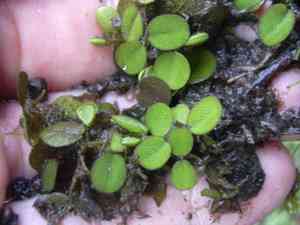
Salvinia molesta flourishes in watery settings and multiplies mainly via fragmentation, an inherent and efficient technique for its swift proliferation. Should pieces of Salvinia molesta detach, they promptly mature into new specimens once they establish themselves in an appropriate aquatic location. This approach guarantees thick groupings and rapid covering of water bodies, which can be regulated by limiting fragment dispersal to preferred zones.
Optimal Time for Water Spangles Propagation
Propagation Method
Seeding
Propagation Period
Spring
Tools for Water Spangles Propagation
Aquarium or shallow tray
Serves as a container for water spangles during its propagation phase. Its shallow design mimics the plant's natural wetland habitat, offering ample room for root expansion and water access, vital for growth and survival.
Quality water source
Crucial for sustaining water spangles in the propagation tray. It ensures a growth-friendly environment by providing necessary hydration and nutrients. Frequent water changes prevent stagnation and maintain good health.
Light source (natural or artificial)
Delivers the essential light spectrum for photosynthesis, critical for water spangles's development. Light placement and intensity are key, as water spangles thrives under specific conditions that mimic its natural aquatic settings.
Tweezers or small tongs
Useful for carefully handling and positioning water spangles in the propagation tray without causing damage. Essential for maintaining proper spacing between plants to ensure adequate light and growth room.
Thermometer
Helpful for monitoring water temperature in the propagation environment. Water spangles needs specific temperature ranges to flourish, making regular checks and maintenance of these conditions important.
Propagating Water Spangles
Propagation Difficulty
Simple
Post-Propagation Care for Water Spangles
Post-Propagation Care for Water Spangles
Following propagation, ensure water spangles continues to receive still, nutrient-rich water and moderate to bright indirect light. It's vital to monitor water quality to prevent algae and maintain pH between 6.0 and 7.5. Regularly remove decaying matter to keep the environment healthy and growth-promoting. Water spangles grows quickly; thus, periodic thinning may be needed to prevent excessive coverage, which can block light and oxygen to the water below.
Common Errors to Avoid When Propagating Water Spangles
Overcrowding
Placing too many water spangles plants in a confined water space can hinder their growth. Overcrowding reduces nutrient and light availability for each plant, potentially leading to weaker growth and lower propagation success.
Poor Water Quality
Using unclean or chemically treated water for water spangles can lead to poor plant health by disrupting the delicate balance of nutrients and pH. This can decrease propagation rates and increase disease susceptibility.
Ignoring Light Requirements
Water spangles needs ample light to thrive and propagate effectively. Neglecting to provide sufficient light can result in leggy, weak plants with reduced vigor and propagation capability.
Tips for Propagating Water Spangles
Regular Water Change
Periodically replace the water where water spangles is being propagated. This helps maintain nutrient levels and control algae growth, which competes with water spangles for nutrients and light.
Controlled Feeding
Apply a balanced liquid fertilizer sparingly, ensuring water spangles receives necessary nutrients for growth without over-fertilization, which can lead to excessive vegetative growth at the expense of propagation.
Optimal Spacing
Ensure adequate spacing among floating water spangles to promote better light penetration and airflow. This prevents fungal infections and encourages healthier, more vigorous growth, leading to better propagation results.



