How to Propagate Salvia jurisicii?
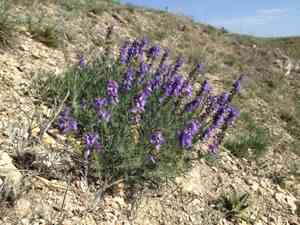
Salvia jurisicii, a member of the Lamiaceae family, flourishes optimally in adequately drained soil exposed to abundant sunlight. Reproduction is achieved by planting seeds, ideally within trays. Gently blanket the seeds with substrate and sustain dampness without saturating. The perfect temperature for germination spans from 15-20°C. Guarantee sufficient air circulation to avert fungal problems. When the young plants have gained sufficient vigor, relocate them to their final spot, providing consistent hydration until they are rooted. Consulting various sources corroborates that these methods encourage robust growth and maturation.
When Is the Optimal Time to Propagate Salvia Jurisicii?
Propagation Method
Seeding
Propagation Period
Spring
What Equipment Is Used for Salvia Jurisicii Propagation?
Seed Trays
Seed trays are crucial for planting salvia jurisicii seeds. They offer a controlled setting for seed sprouting, ensuring even distribution and ideal growth conditions. These trays help maintain proper moisture and temperature, vital for the delicate initial stages of salvia jurisicii.
Seed Compost
Employing premium seed compost guarantees salvia jurisicii receives sufficient nutrients for germination. Seed compost is specifically formulated with a fine texture and good drainage, preventing waterlogging and fostering robust root growth.
Heating Mat
A heating mat can be essential for sustaining the soil temperature needed for salvia jurisicii seeds to sprout effectively. Consistent warmth encourages faster and more uniform germination, particularly in cooler climates.
Humidity Dome
A humidity dome placed over seed trays helps retain moisture, creating a miniature greenhouse effect. This benefits salvia jurisicii by keeping moisture levels consistent, reducing the risk of seeds drying out, and ensuring successful germination.
Spray Bottle
A spray bottle allows for gentle watering of salvia jurisicii seeds, preventing disturbance of the soil and seeds. It helps maintain the correct moisture level without causing waterlogging, which is crucial for the seeds' initial development.
Labeling Stakes
Labeling stakes are vital for tracking different seed batches. Proper labeling ensures salvia jurisicii can be easily identified, especially when managing multiple plant varieties or conducting comparative studies.
Fine Sieve
A fine sieve can be used to cover salvia jurisicii seeds with a thin layer of compost or vermiculite. This helps ensure even coverage without burying the seeds too deeply, which is essential for their germination and growth.
How to Propagate Salvia Jurisicii?
Propagation Difficulty
Simple
How to Care for Your Newly Propagated Salvia Jurisicii?
How to Care for Your Newly Propagated Salvia Jurisicii?
Once young plants have developed a few true leaves, they can be moved to larger containers or directly into the garden. Ensure salvia jurisicii receives ample sunlight and is planted in well-draining soil. Water regularly, but allow the soil to dry out slightly between waterings. Fertilize with a balanced, water-soluble feed every 4-6 weeks during the active growth period. Regularly check for pests and diseases, and prune as needed to encourage denser growth.
Common Errors to Avoid When Propagating Salvia Jurisicii
Overwatering
Excessive moisture can lead to root rot and fungal infections, severely hindering the plant's ability to establish and thrive.
Improper Soil Mix
Using a soil blend that holds too much moisture or lacks adequate drainage can stress the plant and impede root development.
Inadequate Light
Insufficient sunlight can result in weak, elongated growth, making the plant more vulnerable to diseases.
Incorrect Cuttings
Taking cuttings from unhealthy or non-viable parts of the plant can decrease the success rate of propagation.
Neglecting Temperature Requirements
Exposing the plant to unsuitable temperatures can inhibit root growth and cause stress.
Advice For Propagating Salvia Jurisicii
Use Well-Draining Soil
Ensure the soil mixture allows for good drainage to prevent water accumulation around the roots.
Maintain Optimal Moisture
Keep the soil consistently damp but not waterlogged to encourage healthy root development.
Provide Adequate Light
Place the cuttings in a bright spot with indirect sunlight to prevent leggy growth and ensure robust development.
Choose Healthy Cuttings
Select healthy, vigorous cuttings from the plant to increase the chances of successful propagation.
Monitor Temperature
Maintain a stable and appropriate temperature range to support root growth and overall plant health.



