How to Propagate Oppositeleaf russian thistle?
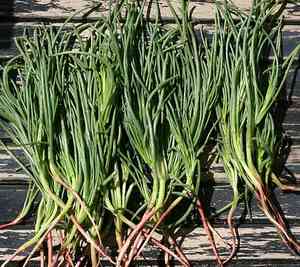
The most effective method for propagating Oppositeleaf russian thistle is by seeding. Cultivators ought to prepare a growing medium that drains efficiently, as this particular variety flourishes in such environments. Following soil preparation, disperse the seeds sparsely and lightly blanket them with earth to encourage prime sprouting. Consistent irrigation is necessary, but avoid saturating the soil, which could hinder seed progression. To achieve robust development, confirm the planting area receives abundant solar exposure.
Optimal Time for Propagating Oppositeleaf Russian Thistle?
Propagation Method
Seeding
Propagation Period
Spring
Tools Required for Oppositeleaf Russian Thistle Propagation?
Seeds trays
Seed trays are crucial for planting oppositeleaf russian thistle seeds. They allow for organized cultivation and efficient space utilization. These trays help maintain controlled conditions for young oppositeleaf russian thistle seedlings, ensuring consistent soil moisture and temperature, which are vital for germination and initial growth.
Potting mix
A premium, well-draining potting mix is essential for oppositeleaf russian thistle. The mix should support good air circulation and water retention, providing the seeds with the ideal environment for efficient root development and growth. A nutrient-rich potting mix also promotes healthy and robust seedlings.
Watering can with a fine rose
A watering can equipped with a fine rose attachment is perfect for gently irrigating oppositeleaf russian thistle seedlings without disturbing the soil or seeds. The fine spray ensures seeds and young plants receive adequate hydration without the risk of soil erosion or seed displacement.
Plant labels
Plant labels are useful for recording the planting date and species, especially when propagating multiple types. For oppositeleaf russian thistle, labeling aids in monitoring specific needs and growth progress, assisting in the systematic care and management of the seedlings.
Grow lights (optional)
For growers in areas with limited sunlight, grow lights provide supplementary light necessary for the photosynthesis of oppositeleaf russian thistle seedlings. These lights help maintain sufficient light levels, encouraging stronger and healthier growth during darker months or in naturally low-light environments.
How to Propagate Oppositeleaf Russian Thistle?
Propagation Type
Simple
How to Care for Your Newly Propagated Oppositeleaf Russian Thistle?
How to Care for Your Newly Propagated Oppositeleaf Russian Thistle?
Post-propagation, continue to water oppositeleaf russian thistle sparingly, as it is drought-tolerant. Protect young plants from harsh weather with a light mulch, if needed. Fertilization is generally not required, but a mild application of a balanced fertilizer can be used if growth appears slow. Regularly check for pests and diseases, though oppositeleaf russian thistle is typically resilient against common garden pests.
Common Mistakes to Avoid When Propagating Oppositeleaf Russian Thistle
Overwatering
Excessive watering can lead to root rot and fungal infections in oppositeleaf russian thistle. This is because oppositeleaf russian thistle's natural environment is accustomed to less frequent watering, and too much moisture can impair root health, reducing the plant's ability to absorb nutrients effectively.
Deep planting
Planting oppositeleaf russian thistle seeds or cuttings too deeply can hinder proper germination and growth. This error may cause oppositeleaf russian thistle to expend extra energy on emerging from the soil, potentially resulting in weaker plants or failure to sprout.
Ignoring light requirements
Failing to provide adequate light can stunt oppositeleaf russian thistle's growth, as it needs full sunlight to thrive. Insufficient light can lead to etiolation, where oppositeleaf russian thistle grows elongated and weak, making it less resilient and productive.
Tips For Propagating Oppositeleaf Russian Thistle
Soil preparation
Use a well-draining sandy soil mix for oppositeleaf russian thistle to mimic its natural sandy habitat. This helps prevent waterlogging and supports healthier root development, crucial for the establishment and growth of oppositeleaf russian thistle.
Seed surface sowing
Sow oppositeleaf russian thistle seeds on the soil surface or lightly cover them with a thin layer of sand. Oppositeleaf russian thistle seeds require light for effective germination, and this method maximizes their light exposure, improving germination rates.
Regular monitoring
Periodically check on oppositeleaf russian thistle during the initial propagation stages to adjust care as needed, such as moderating soil moisture levels and ensuring adequate light exposure. This helps establish a strong foundation for the plant's growth and development.



