How to Propagate Perennial glasswort?
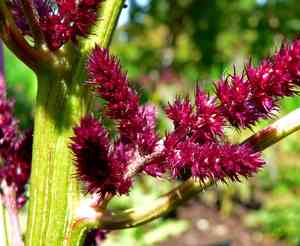
Salicornia europaea flourishes in salty conditions and generally propagates via seeding. To achieve the best development, it is recommended to utilize recently harvested seeds from robust specimens. Cultivate these in a sandy medium that replicates their native shoreline ecosystems, guaranteeing sufficient hydration and exposure to sunlight. Steer clear of excessively fertile soils, as these could impede growth. Germination success rates are typically elevated, rendering seeding a convenient and uncomplicated approach for increasing Salicornia europaea's distribution in appropriate locales.
When Is the Optimal Time to Propagate Perennial Glasswort?
Propagation Method
Seeding
Propagation Period
Spring
What Equipment Is Used for Perennial Glasswort Propagation?
Seed trays
Seed trays are crucial for planting seeds, offering a controlled setting for the initial development phases of perennial glasswort. These trays aid in uniform seed distribution and soil consistency management, which is vital for perennial glasswort germination. Their shallow depth benefits perennial glasswort's delicate seedlings, simplifying transplantation once they are mature enough.
Quality seed starting mix
A specialized seed starting blend, lighter and more sterile than standard potting soil, is advised for perennial glasswort. This mixture ensures proper water retention and drainage, essential for perennial glasswort's preference for saline conditions. It also minimizes soil-borne disease issues that can harm early seedling growth.
Misting bottle
A misting bottle is employed to gently moisten perennial glasswort seeds without disturbing them. The fine mist delivers the necessary moisture for seed germination, fostering consistent wetness crucial for perennial glasswort seeds, without causing waterlogging that could lead to fungal infections.
Plastic dome or cover
Placing a plastic dome or clear cover over seed trays helps maintain a consistently humid environment for perennial glasswort's seeds. This creates a mini-greenhouse effect, which aids in accelerating germination by keeping temperature and humidity levels ideal.
How to Propagate Perennial Glasswort?
Propagation Difficulty
Simple
How to Care for Your Newly Propagated Perennial Glasswort?
How to Care for Your Newly Propagated Perennial Glasswort?
Once established, perennial glasswort requires minimal attention. Maintain light, consistent watering, especially during extended dry periods. No fertilization is needed as perennial glasswort is adapted to low-nutrient environments. Avoid overwatering to prevent root rot. Regularly inspect and clear the area of competing weeds.
Common Errors to Avoid When Propagating Perennial Glasswort
Insufficient salinity levels
Propagating perennial glasswort in freshwater or low-salinity conditions can hinder growth, as perennial glasswort is adapted to saline environments. Inadequate salinity can result in weaker, less vigorous plants more susceptible to disease.
Overcrowding cuttings
Planting perennial glasswort cuttings too closely can restrict air circulation and reduce the light each cutting receives, impeding growth and increasing the risk of fungal diseases.
Excessive watering
While perennial glasswort needs moist conditions, overwatering, particularly with non-saline water, can dilute soil salinity and lead to root rot, ultimately killing the cuttings.
Tips For Propagating Perennial Glasswort
Use of saline water
Ensure that perennial glasswort's growing medium is irrigated with saltwater or a saline solution that mimics its natural coastal habitat for optimal growth and health.
Spacing cuttings adequately
Provide each perennial glasswort cutting with ample space to allow for sufficient light penetration and air circulation, which helps prevent fungal diseases and promotes stronger roots.
Rooting hormone application
Applying a rooting hormone to perennial glasswort cuttings can encourage faster and more reliable root development, improving the overall success rate of propagation.



