How to Propagate African violet?
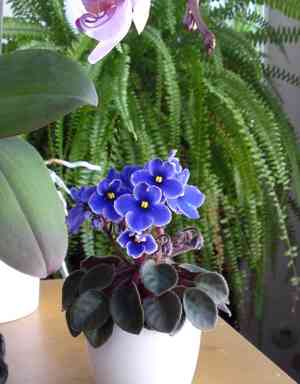
African violet is most effectively multiplied via cuttings taken in the spring or summer. Its propagation difficulty is considered simple. The emergence of new foliage indicates successful rooting. During propagation, ensure the growing medium remains damp, yet refrain from excessive watering.
Optimal Time for African Violet Propagation
Propagation Method
Cutting
Propagation Period
Spring, Summer
Tools Required for African Violet Propagation
Sharp scissors or pruning shears
These are vital for making precise cuts on african violet leaves or stems, minimizing tissue damage. A clean cut helps prevent disease and promotes quicker rooting.
Rooting hormone
Applying rooting hormone to the cut end of african violet leaves or stem cuttings can greatly improve rooting success. It encourages new root development, leading to a stronger, healthier plant.
Sterile potting mix
Sterile potting mix is crucial for african violet as it reduces the risk of soil-borne pathogens harming the cuttings. A light, airy mix designed for African violets offers ideal conditions for root growth.
Small pots or propagation trays
These containers support african violet cuttings upright and provide ample space for root expansion without crowding. Ensure they have drainage holes to prevent waterlogging, which can cause rot.
Plastic bags or domes
Creating a high-humidity environment is beneficial for african violet cuttings to prevent dehydration. Covering pots or trays with clear plastic bags or domes maintains moisture and warmth, aiding root development.
Heating mat (optional)
For african violet, a consistent warm temperature can boost root growth. A heating mat under propagation trays helps maintain an optimal temperature range, especially in cooler climates or seasons.
How to Propagate African Violet?
Propagation Method
Cutting
Difficulty Level
Easy
Caring for Your Newly Propagated African Violet
Caring for Your Newly Propagated African Violet
To care for african violet after propagation, place them in bright, indirect light and maintain a consistent temperature of 65-75°F (18-24°C). Water from the bottom to avoid wetting leaves, which can cause spots and damage. Fertilize with a balanced, dilute solution every 4-6 weeks, and repot annually for fresh soil and growth space. With diligent care, your african violet will flourish and continue to produce beautiful blooms.
Common Mistakes to Avoid When Propagating African Violet
Overwatering cuttings
Keeping the soil too wet can lead to rot, especially with delicate african violet cuttings. Excess water deprives roots of oxygen, fostering fungal infections that can kill young plants.
Using old or large leaves
When propagating african violet by leaf cuttings, older or very large leaves may not root as effectively as younger, smaller leaves, resulting in lower success rates.
Cutting with dull blades
Using dull blades for cuttings can damage african violet tissues, creating jagged edges that heal poorly and can invite disease.
Planting cuttings too deep
Inserting african violet cuttings too deeply into the soil can cause stem rot due to insufficient air circulation and excessive moisture around the stem.
Tips For Propagating African Violet
Leaf selection
Choose healthy, medium-sized leaves for propagation. Younger african violet leaves have greater growth potential and root more readily than older ones.
Cutting technique
Use a sharp, sterile blade to make a clean cut on the african violet leaf stem, reducing infection risk and ensuring better healing and rooting.
Soil and container
Use a light, airy growing medium and shallow containers for african violet propagation to prevent waterlogging and promote root development.
Humidity and warmth
Maintain high humidity and stable warmth for african violet cuttings, using methods like a plastic bag or cover, to encourage a favorable environment for root growth without overwatering.



