How to Propagate Minnieroot?
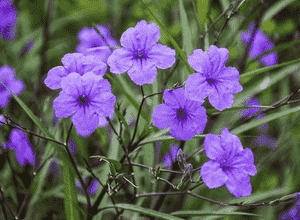
Ruellia, a lively perennial recognized for its trumpet-like blossoms and appealing green leaves, possesses a propagation technique that leverages its inherent robustness. The practical elements of its propagation involve planting its seeds directly into soil that drains effectively, guaranteeing steady hydration without saturation. It is essential to supply ruellia with abundant sunlight and shield the nascent plants from severe environmental conditions until they are rooted. Though diminutive, the robust seedlings will flourish with little interference, showcasing the resilient character of this variety.
When Is the Optimal Period to Propagate Minnieroot?
Method of Propagation
Seeding
Propagation Period
Spring
What Equipment Is Utilized for Minnieroot Propagation?
Seed trays
Seed trays are vital for initiating minnieroot from seeds. These trays facilitate efficient arrangement and space usage, offering ample surface area for numerous seeds. The individual compartments in seed trays help manage each seedling's growth, preventing root entanglement and simplifying the precise application of water and nutrients tailored to minnieroot's requirements.
Potting mix
A premium potting mix supports minnieroot germination by maintaining an optimal balance of aeration, moisture, and nutrients. A seed-starting blend typically includes peat moss, perlite, and vermiculite, ensuring good drainage and preventing waterlogging, thereby reducing the risk of root diseases during minnieroot's delicate germination phase.
Watering can with a fine rose
A watering can equipped with a fine rose is essential for gently irrigating minnieroot without disturbing seeds or young seedlings with strong water streams. The fine rose distributes water evenly, mimicking soft rainfall, which is perfect for keeping young plants moist without causing erosion or exposing the seeds.
Grow lights (if indoor propagation)
Grow lights are advantageous if propagating minnieroot indoors or in dimly lit environments. These lights provide a steady light source necessary for the photosynthesis that young plants require to develop robustly. Adjustable intensity helps mimic natural sunlight patterns, promoting superior growth rates and healthier minnieroot plants.
Heat mats
Heat mats encourage successful germination of minnieroot's seeds by maintaining the soil at a consistent warm temperature, which is crucial, especially in colder climates. This warmth stimulates minnieroot seeds to break dormancy and promotes rapid and uniform germination, ensuring a higher propagation success rate.
Labeling markers
Labeling markers are used to tag seed trays with information such as the sowing date and the species being cultivated. For minnieroot, which might be grown alongside other species, clear labels aid in monitoring propagation progress, maintaining a care schedule, and preventing mix-ups during transplantation.
How to Propagate Minnieroot?
Propagation Type
Simple
How to Care for Your Newly Propagated Minnieroot?
How to Care for Your Newly Propagated Minnieroot?
Post-propagation, minnieroot requires ongoing care, including consistent watering to keep the soil damp but not waterlogged. They should be situated in a spot receiving partial to full sunlight. Fertilize monthly with a balanced liquid fertilizer and pinch back plant tips to encourage bushier growth. Repot plants when root-bound or as needed to provide ample growing space. Monitor for pests and diseases, treating them appropriately. Removing spent flowers can stimulate new blooms.
Common Errors to Avoid When Propagating Minnieroot
Overwatering cuttings
Excessive moisture around cuttings can lead to rot and fungal infections, hindering root development and potentially causing minnieroot's demise.
Using soil that's not well-draining
Soil that retains too much water can cause issues similar to overwatering, such as rot and disease, and may impede root growth in minnieroot cuttings.
Taking cuttings from unhealthy plants
Utilizing stems from diseased or stressed plants may result in poor root development or even failure to propagate minnieroot.
Planting cuttings too deep
Inserting cuttings too far into the soil can restrict oxygen availability and discourage root growth in minnieroot.
Neglecting the humidity needs
Ignoring proper humidity conditions can cause minnieroot cuttings to dry out, which impedes successful rooting.
Advice For Propagating Minnieroot
Healthy parent plant
Choose a vigorous and disease-free minnieroot specimen as the source for cuttings to enhance the likelihood of successful propagation.
Right cuttings selection
Select semi-ripe stems for cuttings, as they possess the ideal balance of flexibility and maturity suitable for root initiation in minnieroot.
Proper soil mix
Employ a well-draining soil mix to prevent waterlogging and provide minnieroot cuttings with the necessary aeration.
Appropriate moisture levels
Maintain consistently moist but not soggy soil to support minnieroot's root development without risking rot.
Cutting placement
Plant minnieroot cuttings at the correct depth to ensure adequate oxygen for root growth while maintaining sufficient stability to prevent toppling.



