How to Propagate Chestnut rose?
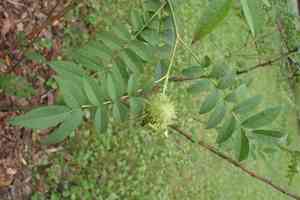
Rosa roxburghii flourishes in rich, adequately drained soil and favors abundant sunlight to moderate shade. For propagation, utilize semi-hardwood cuttings. Verify that each cutting possesses a minimum of three nodes, and detach the lower foliage. Submerge the severed end in rooting compound, then embed it in a damp, well-aerated substrate. Maintain the cuttings in a humid setting, for instance, beneath a plastic cover or through frequent misting, to stimulate root development.
Optimal Time for Chestnut Rose Propagation
Propagation Method
Cutting
Propagation Period
Autumn,Winter
Tools Required for Chestnut Rose Propagation
Sharp Pruning Shears
These are crucial for obtaining clean, precise cuttings from chestnut rose. Sharp blades prevent stem damage and disease transmission.
Rooting Hormone
Applying rooting hormone to the cut end of chestnut rose significantly boosts the likelihood of successful root development by encouraging faster, stronger root growth.
Clean Containers/Trays with Drainage
Utilize containers or trays featuring adequate drainage for planting chestnut rose cuttings. Proper drainage prevents waterlogging and root decay.
Sterile Potting Mix
A well-draining, sterile potting mix is essential for rooting chestnut rose cuttings. It offers necessary support and moisture while minimizing fungal infection risks.
Misting Spray Bottle
Maintaining humidity is vital for chestnut rose cuttings. A misting spray bottle helps keep the environment around the cuttings consistently moist without over-saturating.
Clear Plastic Cover or Humidity Dome
To retain humidity, employ a clear plastic cover or a humidity dome over the cutting tray. This creates a mini-greenhouse effect, beneficial for chestnut rose's rooting process.
Heating Mat
An optional yet advantageous tool, a heating mat placed beneath containers can provide bottom heat, stimulating root growth by maintaining optimal, consistent soil temperature for chestnut rose.
Label and Marker
Labeling each cutting or tray assists in tracking different cuttings, ensuring proper identification and care throughout the chestnut rose propagation process.
How to Propagate Chestnut Rose?
Propagation Type
Moderately Easy
Caring for Your Newly Propagated Chestnut Rose
Caring for Your Newly Propagated Chestnut Rose?
After propagation, ensure chestnut rose receives ample sunlight (ideally full sun), is planted in well-draining soil, and is watered regularly to keep the soil moist but not waterlogged. Routinely check for pests and diseases, and provide support as the plant matures. Pruning helps maintain shape and promotes blooming.
Common Mistakes to Avoid When Propagating Chestnut Rose
Overwatering
Excessive water can lead to root rot, severely impeding the success of propagation efforts.
Underwatering
Insufficient water can stress the plant, causing cuttings to wilt before they can establish roots.
Using inappropriate soil
Heavy or poorly draining soil can suffocate roots, preventing successful establishment.
Improper cutting techniques
Taking cuttings without understanding proper placement and method can result in poor rooting or even the death of the cutting.
Lack of sanitation
Failure to sterilize tools and containers can introduce pathogens that will hinder propagation.
Tips For Propagating Chestnut Rose
Use well-draining soil
Ensure the propagation medium drains well to prevent waterlogged conditions.
Maintain humidity
Keep the humidity high around the cuttings to aid moisture retention as roots develop.
Sterilize tools
Use sterilized tools for making cuttings and preparing propagation mediums to prevent disease introduction.
Use rooting hormone
Applying rooting hormone to cuttings can enhance root formation and boost the success rate.
Provide indirect light
Place cuttings in a location with indirect light, as direct sunlight can be too intense and cause dehydration.



