How to Propagate Dog rose?
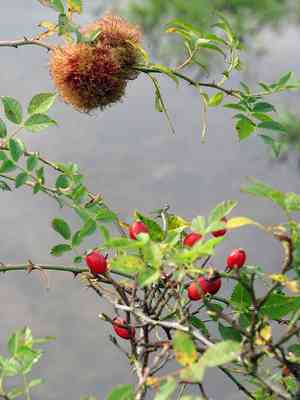
The most effective method for propagating Rosa canina is via cuttings taken in the fall or winter. This procedure is quite straightforward, frequently indicated by the emergence of fresh shoots. To enhance the probability of successful rooting, select cuttings from the previous year's growth that have received ample light.
When Is the Best Time to Propagate Dog Rose?
Propagation Method
Cutting
Propagation Period
Fall, Winter
What Equipment Is Used in Dog Rose Propagation?
Pruning shears
Pruning shears are vital for taking cuttings from dog rose, enabling clean and precise cuts. Proper use of sanitized pruning shears helps minimize disease transmission and promotes healthy root development from the cutting. They are particularly useful for cutting through the semi-hardwood material typical of dog rose stems without causing damage.
Rooting hormone
Rooting hormone is applied to stimulate root growth on dog rose cuttings. By dipping the cut end of the stem into the hormone before planting, it significantly boosts the chances of successful rooting. This is especially beneficial for plants like dog rose, which might otherwise take longer to root or have lower rooting success rates.
Propagating tray with lid
A propagating tray with a clear dome lid maintains a humid environment, ideal for the rooting of dog rose cuttings. The lid helps retain moisture and warmth, creating a microclimate that encourages rooting while reducing water loss from the cutting.
Perlite or vermiculite
Perlite or vermiculite is blended with soil to enhance aeration and drainage in the propagating medium for dog rose cuttings. This prevents waterlogging while ensuring the cuttings have adequate moisture, which is crucial for healthy root development.
Sterilizing agent
Sterilizing agents, such as alcohol or bleach solution, are used to clean cutting tools and trays before propagation. This is particularly important for dog rose, as it prevents the spread of disease and ensures a healthy start for the new plants.
Plant labels and pen
Plant labels and a pen are used to mark the propagating trays with relevant information, such as the planting date and plant species. This aids in tracking the progress of dog rose cuttings and maintaining proper records for future reference.
How to Propagate Dog Rose?
Propagation Method
Cutting
Difficulty Level
Moderately Easy
How to Care for Your Newly Propagated Dog Rose?
How to Care for Your Newly Propagated Dog Rose?
After propagation, dog rose should be placed in a location receiving full sun to partial shade. Water them regularly to keep the soil moist but not waterlogged, and provide a balanced fertilizer during the growing season. Prune dead or overgrown branches in late winter or early spring to maintain shape and encourage healthy growth. Monitor for pests and diseases and take action as needed.
Common Mistakes to Avoid When Propagating Dog Rose
Overwatering
Excessive watering during dog rose propagation can lead to root rot, which is detrimental to the root development of cuttings. Saturated soil can suffocate new roots by depriving them of oxygen needed for growth.
Neglecting hygiene
Using dirty tools or pots without proper sterilization can introduce diseases to dog rose cuttings. This can result in infection, poor root development, or even death of the propagates.
Cutting selection
Choosing the wrong part of the plant or using diseased or weak cuttings can result in poor or no root development. Healthy, vigorous shoots are essential for successful propagation.
Incorrect soil mix
Using a soil mix that doesn't drain well or doesn't provide adequate aeration can hinder the root growth of dog rose. A poorly chosen substrate can also increase the chances of fungal infections.
Overcrowding
Planting cuttings too close together can cause competition for nutrients and space, leading to weaker overall development and increased risk of disease spread among the cuttings.
Deep planting
Inserting cuttings too deeply into the propagation medium can cause the stems to rot before they have a chance to root properly, significantly reducing the success rate of propagation.
Tips For Propagating Dog Rose
Proper cuttings
Select healthy, semi-hardwood cuttings from the current year's growth. Ensure they have at least two or three nodes and are about 4-6 inches in length for optimal rooting.
Sterilization
Sterilize all tools and containers before use to prevent the spread of diseases. Clean cuts and minimal handling reduce infection risks for dog rose.
Soil preparation
Prepare a well-draining and fertile soil mix, such as a blend of peat, sand, and perlite, to promote aeration and prevent waterlogging, which is conducive to root development.
Moisture balance
Maintain consistent moisture without overwatering. Using a misting system or covering cuttings with a plastic dome can help keep humidity levels optimal for dog rose.
Rooting hormone
Using a rooting hormone can promote root development and increase the success rate of cuttings. Dip the base of each cutting into the hormone before planting.
Spacing
Space cuttings adequately to ensure each has sufficient room for growth and access to nutrients, reducing the risk of competition and disease for dog rose.



