How to Propagate Pacific rhododendron?
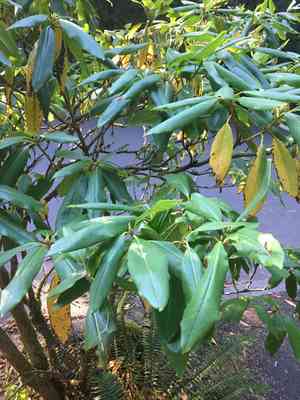
The most effective method for propagating Pacific rhododendron involves taking cuttings, preferably during the spring or summer seasons. This procedure presents a moderate level of difficulty. The emergence of new foliage and the development of roots signify successful propagation. Maintaining appropriate humidity levels and temperature is crucial for achieving the best outcomes.
Optimal Time for Pacific Rhododendron Propagation
Propagation Method
Cutting
Propagation Period
Spring, Summer
Tools for Pacific Rhododendron Propagation
Sharp pruning shears
Used for obtaining cuttings from pacific rhododendron, these shears must be keen enough to make precise cuts without crushing plant tissues. A clean cut is vital for encouraging successful root development and minimizing infection risk.
Rooting hormone
This aids in stimulating root development when applied to the cut end of pacific rhododendron cuttings. It can significantly boost the chances of successful rooting by promoting quicker establishment of the cuttings.
Sterile potting mix
Providing a pathogen-free medium is crucial for pacific rhododendron cuttings to root correctly. The mix should also possess good drainage and aeration properties to foster healthy root growth and prevent rot.
Propagation trays or pots
These containers hold the sterile potting mix and cuttings of pacific rhododendron. They should have adequate drainage to prevent waterlogging and be of appropriate size to accommodate the rooting system without overcrowding.
Plastic covers or domes
To maintain a high humidity environment around pacific rhododendron cuttings, these covers help retain moisture and warmth, simulating a mini greenhouse that nurtures the cuttings until they root.
Heating mats (optional)
For optimal root development of pacific rhododendron, consistent and appropriate bottom heat can be supplied by heating mats, which encourage quicker rooting, especially in cooler climates or seasons.
Irrigation tools (mister or watering can)
A gentle mister or a watering can with a fine rose attachment is ideal for watering the pacific rhododendron cuttings without disturbing them, keeping the medium consistently moist but not saturated.
How to Propagate Pacific Rhododendron
Propagation Type
Cutting
Difficulty Level
Moderately Difficult
Caring for Your Newly Propagated Pacific Rhododendron
Caring for Your Newly Propagated Pacific Rhododendron
Post-propagation, water the new pacific rhododendron plants regularly to keep the soil damp until they are well-established. Apply a layer of mulch to retain moisture and regulate soil temperature. Continue to grow them in partial shade and shield them from strong winds. Fertilize them with an acid-specific fertilizer in early spring and again in late spring following package instructions. Prune the plant after flowering to maintain shape and encourage bushiness. Monitor for pests and diseases common to pacific rhododendron, such as root rot, lace bugs, and aphids, and treat as necessary.
Common Errors to Avoid When Propagating Pacific Rhododendron
Overwatering cuttings
Cuttings of pacific rhododendron can suffer from rot if the soil is kept excessively wet. Overwatering can create an environment where fungal pathogens thrive, increasing the chances of cutting rot and diminishing the overall success rate of propagation.
Insufficient light
While pacific rhododendron cuttings require protection from direct sun, too little light can hinder the growth of new shoots, leading to leggy plants or a failure to root. Proper balance ensures healthy rooting and growth.
Taking cuttings from unhealthy plants
Using material from diseased or stressed parent plants when propagating pacific rhododendron can lead to poor rooting and weak growth, as cuttings will likely carry over the health issues of the parent plant.
Incorrect cutting size
Cuttings that are either too small or too large may have difficulty rooting. Small cuttings may not have enough stored energy, while large cuttings can struggle to support themselves before roots form.
Neglecting humidity
Ignoring humidity needs can result in desiccation or poor rooting as pacific rhododendron cuttings need a humid environment to encourage root growth while the water uptake system is still developing.
Tips For Propagating Pacific Rhododendron
Rooting hormone
Applying a rooting hormone to the base of pacific rhododendron cuttings can significantly boost the success rate of rooting by stimulating root growth and helping to protect the cutting from decay.
Adequate drainage
Ensuring the propagation medium has excellent drainage helps prevent waterlogging, which is crucial for the health of pacific rhododendron cuttings as it prevents root rot and other moisture-related diseases.
Clean cutting tools
Using sterilized cutting tools helps prevent the spread of disease to pacific rhododendron cuttings. This promotes healthier growth and reduces the risk of infection, thus increasing propagation success.
Appropriate cutting size
Take cuttings of a suitable size, typically between 4 to 6 inches, to provide a good balance between enough leaf area for photosynthesis and manageable size for rooting.
Consistent moisture
Maintaining consistent moisture levels in the soil without overwatering supports the steady growth of pacific rhododendron cuttings. Allowing the soil to be damp but not soggy is key for rooting success.



