How to Propagate Netleaf oak?
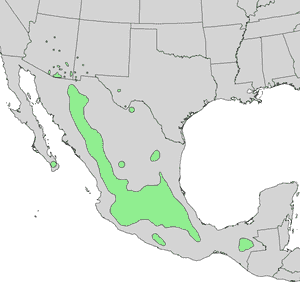
Quercus rugosa, a sturdy deciduous tree recognized for its significant versatility, flourishes in diverse settings. For effective propagation, cuttings represent the most suitable technique, promoting consistency and retaining advantageous traits. To boost the likelihood of root development, utilize semi-hardwood cuttings from vigorous mature trees, applying rooting compounds and guaranteeing a substrate with good drainage. Taking into account regional weather patterns can provide the most appropriate conditions for development. This technique maintains the genetic line of Quercus rugosa with effectiveness and precise genetic replication.
Optimal Time for Netleaf Oak Propagation
Propagation Method
Cutting
Propagation Period
Autumn,Winter
Tools for Netleaf Oak Propagation
Pruning Shears
Sharp, sturdy pruning shears are vital for taking healthy cuttings from netleaf oak. They ensure a clean, precise cut, minimizing damage to the parent plant and boosting the chances of successful rooting by reducing infection risk and stress to the cutting.
Rooting Hormone
Applying a rooting hormone to the base of netleaf oak cuttings can significantly boost root development. This hormone stimulates root growth, increases the likelihood of successful propagation, and helps establish a strong root system in the early stages of growth.
Sterilized Potting Mix
Using a well-draining, sterilized potting mix helps provide the ideal environment for netleaf oak cuttings to root. Sterilization ensures the soil is free from pathogens that could harm vulnerable cuttings, and good drainage prevents waterlogging, which could cause rot.
Propagating Tray with Humidity Dome
A propagating tray with a humidity dome creates a controlled microenvironment with consistent moisture and warmth, key factors in the rooting process for netleaf oak's cuttings. This setup prevents the cuttings from drying out and helps maintain optimal humidity levels, promoting faster rooting.
Netleaf Oak Propagation Difficulty
Propagation Type
Moderately Difficult
Caring for Newly Propagated Netleaf Oak
Caring for Newly Propagated Netleaf Oak
Once netleaf oak cuttings have rooted and new growth appears, gradually acclimate them to less humid conditions by opening the plastic cover for longer periods daily. Transplant the saplings to larger pots or their permanent location when they are robust enough. Ensure they are watered regularly and protected from extreme temperatures. Mulching around the base can help retain soil moisture and provide nutrients. Monitor for pests and diseases and treat appropriately.
Common Mistakes to Avoid When Propagating Netleaf Oak
Neglecting Correct Soil Composition
Using a soil mix that doesn't drain well is a mistake. Netleaf oak needs well-draining soil to prevent root rot.
Inadequate Acclimatization
Failing to gradually acclimatize netleaf oak to outdoor conditions can lead to shock or death when young plants are moved outdoors too quickly.
Improper Cutting Selection
Taking cuttings from diseased or weak parts of netleaf oak leads to poor rooting and growth.
Overwatering
Excessive watering can suffocate netleaf oak's roots and promote fungal diseases, hindering establishment and growth.
Neglecting Pest and Disease Control
Ignoring potential pest infestations and diseases can lead to poor growth or death of propagated netleaf oak plants.
Tips For Propagating Netleaf Oak
Use Healthy Parent Plants
Select robust and healthy specimens of netleaf oak for sourcing propagation material to increase the success rate.
Understand Rooting Hormone Usage
Apply rooting hormones correctly to fresh cuttings of netleaf oak to encourage root development without causing harm.
Maintaining Optimal Humidity
Create a humid environment for netleaf oak cuttings to prevent dehydration, using measures like plastic covers or misting.
Timely Pruning
Pruning netleaf oak at the right time helps to encourage new growth which can be used for propagation.
Monitoring Water Needs
Water netleaf oak cuttings and seedlings as needed, ensuring the soil stays moist but not waterlogged to foster healthy root development.



