How to Propagate Myrtle oak?
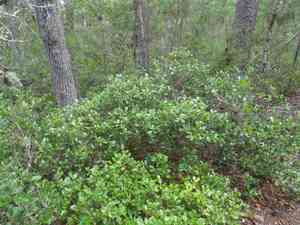
Quercus myrtifolia, a species within the Fagaceae lineage, represents a compact evergreen oak. For its reproduction, sever semi-lignified segments when environmental conditions are temperate. Employ a growing medium that drains efficiently and possesses an acidic pH, while sustaining uniform hydration. The use of a rooting stimulant can elevate the probability of successful establishment. Relocate rooted plantlets into more spacious containers prior to their outdoor placement to guarantee appropriate maturation.
What Is the Best Time To Propagate Myrtle Oak?
Propagation Type
Cutting
Propagation Season
Spring,Summer
What Tools Are Used in Myrtle Oak Propagation?
Sharp Pruners
Sharp pruners are vital for taking clean cuttings from myrtle oak without harming the parent plant. They help ensure smooth cuts, reducing disease and rot risks.
Rooting Hormone
Rooting hormone aids in the development of roots from myrtle oak cuttings. It can significantly boost propagation success by encouraging quicker, stronger root growth.
Propagation Trays
Propagation trays offer a controlled setting for rooting myrtle oak cuttings. They ensure proper drainage and spacing, supporting healthy root growth and minimizing fungal infection chances.
Propagation Dome
A propagation dome maintains high humidity around myrtle oak cuttings, essential to prevent drying before roots form. It helps create a mini-greenhouse effect.
Sterilized Grow Medium
Using a sterilized grow medium, like peat and perlite mix, ensures myrtle oak cuttings aren't exposed to pathogens that could hinder root development. This medium provides good aeration and moisture retention.
Heat Mat
A heat mat under propagation trays promotes root growth by keeping the soil temperature consistent. This is especially beneficial for myrtle oak cuttings, fostering a good environment for root initiation.
Mist Sprayer
A mist sprayer helps keep humidity high around myrtle oak cuttings, ensuring they stay hydrated. Regular misting reduces the risk of cuttings wilting before rooting.
Labeling Supplies
Labeling supplies, such as tags and markers, are crucial for tracking myrtle oak cuttings, especially when propagating multiple plants. Accurate labeling helps monitor progress and identify successful cuttings.
Disinfectant Solution
Disinfectant solution is used to sterilize cutting tools and propagation equipment. This lowers the risk of introducing diseases to myrtle oak cuttings during propagation.
How to Propagate Myrtle Oak?
Propagation Type
Moderately Difficult
How to Care for Your Newly Propagated Myrtle Oak?
How to Care for Your Newly Propagated Myrtle Oak?
Once roots have formed and new growth appears, gradually introduce myrtle oak to outdoor conditions by placing it outside for a few hours daily. After one to two weeks, transplant it into a larger container or directly into the ground in a suitable spot. Ensure the plant receives sufficient water, especially during dry periods. Apply mulch around the base to retain soil moisture and provide nutrients. Regularly check for pests and diseases, and prune as needed to maintain a healthy shape.
Common Mistakes to Avoid When Propagating Myrtle Oak
Overwatering
Excessive moisture can lead to root rot and fungal infections, which are highly detrimental to myrtle oak's overall health and development.
Improper Soil Composition
Using soil that is too dense or rich in organic matter can inhibit proper drainage, suffocating the roots and hampering healthy growth.
Incorrect Light Exposure
Placing myrtle oak in areas with insufficient sunlight can stunt its growth, while too much direct sunlight can scorch the leaves and impede development.
Inadequate Temperature Regulation
Exposing myrtle oak to temperatures outside its preferred range, especially extreme cold or heat, can stress the plant and reduce successful propagation rates.
Neglecting Pest Control
Ignoring potential pest infestations can significantly damage myrtle oak at vulnerable propagation stages, leading to poor establishment or death.
Tips For Propagating Myrtle Oak
Adequate Drainage
Ensure the propagation medium drains exceptionally well to prevent waterlogging and root rot.
Optimal Soil Mix
Utilize a well-aerated soil blend, ideally sandy or loamy, to encourage proper root development and growth.
Moderate Watering
Water myrtle oak sparingly, only when the soil feels dry to the touch, to avoid excessive moisture accumulation.
Sufficient Light
Position myrtle oak where it receives partial to full sunlight, ensuring a balance that promotes healthy leaf and root development.
Temperature Control
Maintain a stable, moderate temperature environment to prevent stress and enhance successful propagation of myrtle oak.
Pest Management
Regularly inspect for pests and promptly treat any infestations to safeguard myrtle oak during its critical propagation phase.



