How to Propagate Valley oak?
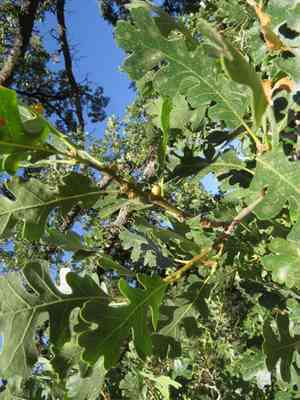
Valley oak reproduces effectively during the Fall and Winter seasons. Reproduction methods include hardwood cuttings, air layering, and seed germination. The plant exhibits a moderate level of propagation difficulty. Successful propagation is indicated by the development of new root and stem structures. To achieve optimal outcomes, it is advisable to utilize robust and pathogen-free parent plants.
Optimal Time for Valley Oak Propagation
Propagation Method
Cutting
Propagation Period
Autumn,Winter
Tools for Valley Oak Propagation
Pruning Shears
Pruning shears are essential for taking cuttings from valley oak. A sharp, clean pair ensures a precise cut, minimizing damage to the parent tree and the cutting. This clean cut helps prevent disease and improves the cutting's rooting potential.
Rooting Hormone
Rooting hormone stimulates root development when applied to the cut end of the valley oak cutting. This tool increases the likelihood of successful rooting by promoting new root tissue growth at the cut site, vital for the cutting's survival and establishment.
Sterile Potting Mix
A sterile potting mix provides a clean, disease-free environment for valley oak cuttings to establish roots. A well-draining, nutrient-rich medium supports initial growth and reduces the risk of soil-borne pathogens affecting young plants.
Propagation Tray
Propagation trays offer a suitable environment for multiple cuttings of valley oak to root. They help maintain consistent moisture and temperature, both crucial for successful cutting establishment.
Heating Mat
A heating mat regulates soil temperature, encouraging root growth in valley oak cuttings. By providing a consistent and optimal root zone temperature, it improves rooting success rates and overall cutting vigor.
Misting System
A misting system keeps the air around valley oak cuttings humid, reducing water loss through transpiration. This is particularly beneficial in preventing delicate cuttings from drying out, allowing better root establishment.
Caring for Your Newly Propagated Valley Oak
Caring for Your Newly Propagated Valley Oak
Once roots have developed, gradually acclimate the valley oak cutting to normal conditions by removing the plastic cover and reducing watering frequency. Transplant into a larger pot or outdoors, and continue to provide valley oak with well-draining soil, full sun exposure, and sufficient water, especially during dry months. Monitor for pests and diseases and take appropriate actions if necessary.
Common Mistakes to Avoid When Propagating Valley Oak
Overwatering
Consistently wet soil conditions can lead to root rot in young valley oak saplings, hindering their growth.
Planting seeds too deep
Seeds of valley oak should not be buried too deep as it can impede their ability to break through the soil and germinate.
Ignoring soil ph
Valley oak requires a specific soil pH to thrive. Ignoring soil acidity or alkalinity can impair seed germination and sapling health.
Neglecting pre-treatment
Valley oak seeds have a hard coat, which requires pre-treatment to enhance germination. Failing to do so may result in poor or no germination.
Tips For Propagating Valley Oak
Stratification
Subject valley oak seeds to cold stratification by simulating winter-like conditions before planting to improve germination rates.
Soil checking
Ensure that the soil where valley oak will grow is appropriate for this species in terms of nutrients, pH level, and drainage.
Seed depth
When sowing valley oak seeds, place them just below the soil surface, as shallow planting aids in successful germination.
Regular monitoring
Regularly check and adjust the moisture levels around valley oak saplings to keep the soil moist but not waterlogged.



