How to Propagate Blue oak?
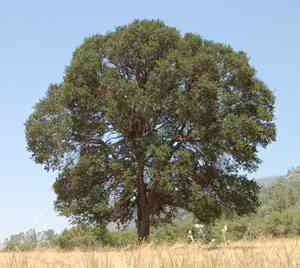
Quercus douglasii can be reproduced through the collection of dormant stem sections, air stratification, or the planting of seeds in the fall or winter period. The ease of propagation differs, yet indicators of successful reproduction encompass the establishment of roots on cuttings or the sprouting of seeds. Essential advice for effective propagation involves the meticulous choice of robust parent specimens and appropriate planting and irrigation methods.
Optimal Time for Blue Oak Propagation
Propagation Method
Cutting
Propagation Period
Autumn,Winter
Tools Required for Blue Oak Propagation
Pruning shears
Pruning shears are vital for taking cuttings from blue oak. They allow for precise cuts, minimizing harm to the parent plant and creating clean incisions on cuttings, which promotes better healing and root growth. Ideally, the shears should be sharp and bypass-type for a clean, angled cut on the semi-hardwood branches typical of blue oak.
Rooting hormone
Rooting hormone assists in stimulating root formation on blue oak cuttings. Applying a suitable rooting powder or liquid to the cut end of the cutting can significantly boost the chances of successful rooting by enhancing the plant's natural rooting process, especially crucial for hardwood species like blue oak.
Propagation medium
A well-draining propagation medium, often a blend of perlite, vermiculite, and peat moss, is essential for blue oak cuttings. It offers the necessary aeration and moisture retention to encourage root growth without causing rot. The medium should be sterile to reduce the risk of fungal infections that could jeopardize the cutting's health.
Plant pots or trays
Clean and sterilized plant pots or trays are used to hold the propagation medium and blue oak cuttings. These containers should have adequate drainage and be the appropriate size to support initial root development without being overly spacious, which could lead to excess moisture and potential rot.
Heating mat (optional)
For specific environments, a heating mat can be beneficial for maintaining the ideal temperature range required for the root development of blue oak cuttings. Consistent bottom heat can improve rooting success rates, especially in cooler climates or during colder parts of the year.
Plastic covers or humidity domes
Maintaining a high humidity environment is crucial for the successful propagation of blue oak. Plastic covers or humidity domes over the pots or trays help retain moisture and create a greenhouse-like atmosphere, which is vital until the cuttings develop roots and can support their own transpiration needs.
Post-Propagation Care for Your Blue Oak
Post-Propagation Care for Your Blue Oak
Following propagation, plant the rooted blue oak cuttings in a location with full sun to partial shade and well-drained soil. Water regularly to keep the soil moist during the first growing season until the roots are well established. Mulch around the base to conserve moisture and reduce weeds. Fertilization is typically unnecessary. Monitor for pest and disease issues, and address them promptly if they arise.
Common Errors to Avoid When Propagating Blue Oak
Insufficient acclimatization
Moving blue oak seedlings directly from a controlled environment to outdoor conditions without gradual acclimatization can shock the plants, potentially leading to stunted growth or plant death.
Overwatering
While establishing blue oak, excessive water can cause root rot and fungal diseases, as this species is accustomed to drier conditions.
Improper soil preparation
Planting blue oak in soils that are too fertile or lack proper drainage can hinder root development, since blue oak naturally thrives in poorer soils.
Neglecting root space
Not providing enough space for the root system of blue oak during planting can impede its extensive root growth, affecting its stability and access to nutrients.
Advice for Propagating Blue Oak
Use fresh seeds
Collecting and sowing fresh acorns promptly after they fall increases the chances of successful germination for blue oak, as they do not store well.
Mimic natural stratification
Subjecting blue oak acorns to a cold stratification process can improve germination rates by breaking seed dormancy, which mimics natural seasonal temperatures.
Provide well-draining soil
Using well-draining soil for planting blue oak helps prevent root diseases and supports healthy root development.
Maintain moisture balance
Ensuring consistent, moderate soil moisture when planting blue oak aids in preventing the soil from becoming too wet or too dry, which is critical for this drought-adapted species.



