How to Propagate Japanese emperor oak?
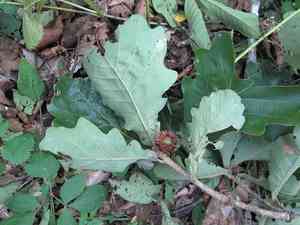
The Japanese emperor oak is typically multiplied via cuttings. For effective root formation, collect semi-hardwood cuttings when the plant is actively growing. Employ a rooting stimulant to boost root growth and embed them in a rich, well-draining medium. Ensure continuous dampness without saturation to encourage robust root structures. Vigilant observation for fungal infections is crucial for vigorous development. Optimal outcomes are achieved by positioning the cuttings in a protected area receiving diffused light.
Optimal Period for Japanese Emperor Oak Propagation
Propagation Method
Cutting
Propagation Season
Autumn,Winter
Essential Tools for Japanese Emperor Oak Propagation
Pruning Shears
Utilized for harvesting cuttings from japanese emperor oak, pruning shears must be sharp and precise to guarantee clean cuts that do not crush or tear stem tissues. Clean cuts aid in minimizing infection risk and enhancing successful rooting.
Rooting Hormone
This compound is employed to encourage root development from japanese emperor oak cuttings. Applying a rooting hormone to the stem's cut end boosts the probability of successful root formation, vital for japanese emperor oak propagation.
Sterile Potting Mix
A sterile potting mix offers a pathogen-free environment, crucial for the healthy root growth of japanese emperor oak cuttings. The mix should provide good drainage and aeration, key factors in preventing root rot and supporting robust root development.
Propagation Trays
Used to hold japanese emperor oak cuttings as they develop roots. These trays should ideally feature drainage holes and be appropriately sized to accommodate initial growth without overcrowding, thereby fostering healthier development.
Heating Mats
For japanese emperor oak, maintaining an ideal temperature around the rooting zone can improve the rooting success rate. Heating mats assist in sustaining a consistent temperature, which can be critical, especially in cooler climates or during colder months.
Misting System
Regular misting helps maintain the necessary humidity around japanese emperor oak cuttings, preventing them from drying out before their root systems have developed. This system aids in creating an optimal growing environment by mimicking the humidity levels of japanese emperor oak's natural habitats.
How to Propagate Japanese Emperor Oak?
Propagation Type
Moderately Difficult
Caring for Your Newly Propagated Japanese Emperor Oak
Caring for Your Newly Propagated Japanese Emperor Oak
Once japanese emperor oak cuttings have successfully rooted and new growth emerges, gradually acclimate them to less humid conditions before transplanting into individual pots or a prepared outdoor area. Ensure consistent watering but avoid waterlogged soil. Position the young japanese emperor oak plants in a location receiving full to partial sunlight. As they mature, apply a balanced fertilizer to support their development, focusing on nutrients that enhance root growth and overall plant health. Regular pruning will help maintain their shape and encourage a strong, healthy structure.
Common Propagation Errors to Avoid with Japanese Emperor Oak
Inadequate root preparation
For japanese emperor oak, it's crucial to ensure cuttings are carefully chosen and prepared. Errors in this process could lead to rot or poor rooting, hindering successful propagation.
Overwatering
While maintaining moist conditions is important for japanese emperor oak rooting, excessive watering can cause root rot and fungal diseases, significantly reducing propagation success.
Neglecting sanitation
Using unsterilized tools or containers can introduce pathogens to japanese emperor oak cuttings or seeds, leading to disease and poor growth outcomes.
Ignoring cutting size
Cuttings that are too small or too large can struggle with nutrient storage or absorption, respectively. This can impact the overall health and rooting capability of japanese emperor oak.
Improper environmental control
Japanese emperor oak requires specific humidity and temperature conditions for effective rooting. Overlooking these can result in an unsuitable environment for propagation.
Tips For Propagating Japanese Emperor Oak
Correct cutting selection
Choose healthy, disease-free stems with a pencil-like thickness for japanese emperor oak cuttings. This increases the likelihood of successful rooting.
Controlled watering
Provide a balanced moisture level for japanese emperor oak cuttings or seedbeds, allowing the medium to slightly dry between waterings to prevent over-saturation.
Sterilize equipment
Always use sterilized pruning tools and containers for propagating japanese emperor oak to reduce contamination risk and ensure healthy growth.
Optimal cutting length
Prepare japanese emperor oak cuttings that are about 6-10 inches long to balance nutrient storage and absorption capacity, promoting better propagation outcomes.
Maintain proper conditions
Keep japanese emperor oak cuttings in a controlled environment where humidity and temperature can be monitored and adjusted to meet the species' specific needs.



