How to Propagate Guava?
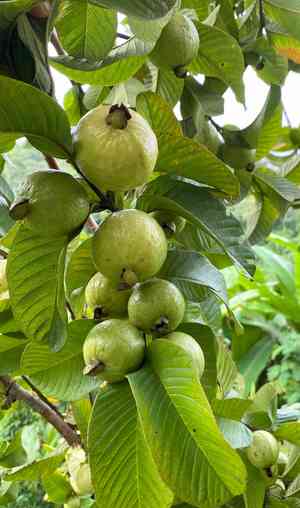
Guava is commonly reproduced via cuttings, especially during the warmer periods of spring and summer. This propagation method is relatively straightforward, with the emergence of new foliage indicating success. For better outcomes, ensure the cuttings possess robust, fully developed leaves.
Optimal Period for Guava Propagation
Propagation Method
Cutting
Propagation Period
Spring, Summer
Tools for Guava Propagation
Sharp pruning shears
Used for taking cuttings, sharp pruning shears ensure a clean and precise cut, reducing stress and damage to both the parent plant and the cutting. Clean cuts help prevent disease and improve the chances of successful rooting.
Rooting hormone
Applied to the base of the cutting, rooting hormone accelerates root development and increases the probability of successful propagation for guava. This is especially beneficial for hardwood cuttings that may root more slowly without assistance.
Sterile potting mix
A well-draining sterile potting mix provides the ideal growing medium for guava cuttings. It minimizes the risk of soil-borne pathogens which can affect the delicate new roots and facilitates better aeration and moisture retention, crucial for root development.
Propagation tray with humidity dome
This tool maintains a high humidity environment around the guava cuttings, which is essential to prevent desiccation while they develop roots. The dome also helps regulate temperature, creating a more consistent and favorable microclimate.
Watering can with a fine rose
Ensures gentle watering of guava cuttings without disturbing the rooting medium or damaging young roots. A soft, fine spray mimics natural rainfall, providing moisture without causing erosion or compaction of the growing medium.
Heat mat
For guava propagation via cuttings, a heat mat promotes faster root growth by maintaining the soil at a consistent, warm temperature. This is particularly useful in cooler climates or during cooler months, where ambient temperatures may be too low for optimal root development.
Guava Propagation Steps
Propagation Method
Cutting
Difficulty Level
Moderately Difficult
Post-Propagation Care for Guava
Post-Propagation Care for Guava
Once roots are established, gradually introduce the guava to its permanent spot with adequate sunlight and spacing. Guava needs full sun to partial shade, consistent watering to keep soil moist but not soggy, and protection from frost. Fertilize every 1-2 months with a balanced feed. Prune regularly to encourage strong growth and maintain desired shape and size.
Common Errors in Guava Propagation
Overwatering
Excessive watering can lead to root rot in guava, which thrives in well-drained soil. Overwatering can suffocate roots, deprive them of oxygen, and encourage fungal diseases.
Using diseased cuttings
Cuttings infected with diseases or pests can lead to poor propagation outcomes for guava. It is crucial to start with a healthy mother plant and use disease-free cuttings for successful propagation.
Ignoring soil requirements
Using soil that lacks proper nutrients or has incorrect pH levels can hamper the root development of guava. Poor soil conditions can lead to weak plants that are less likely to thrive.
Planting cuttings too deep
Inserting cuttings of guava too deeply into the soil can cause them to rot before they root. Proper depth is critical to provide the correct balance of moisture and air exchange for rooting.
Guava Propagation Advice
Use semi-hardwood cuttings
Opting for semi-hardwood cuttings, those taken from mature, current season's growth, provides a balance between flexibility and strength, enhancing guava's rooting potential.
Rooting hormone application
Applying rooting hormone to the cuttings of guava can stimulate root development and increase the chances of a successful propagation.
Proper cutting treatment
Cuttings of guava should be cut cleanly and treated to prevent infection. The base cut should be just below a node, and any flowers or fruit should be removed to focus energy on rooting.
Adequate light and humidity
Maintaining a balance of indirect light and high humidity encourages the cuttings of guava to root without drying out. This simulates the tropical environments where guava naturally thrives.



