How to Propagate Blackthorn?
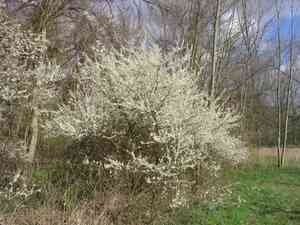
Blackthorn can be effectively propagated via grafting, a technique that entails joining a scion from a preferred blackthorn specimen with a rootstock from a suitable species. To achieve successful grafting, accurate incisions are made on both components to ensure a tight fit, thereby encouraging the scion's development while leveraging the rootstock's established root structure. This guarantees that the offspring exhibit the characteristics of blackthorn, including its decorative blossoms and fruit, while benefiting from the rootstock's robustness and hardiness. Diligent post-grafting care is crucial, involving safeguarding the graft union and sustaining appropriate hydration levels.
Optimal Period for Blackthorn Propagation
Propagation Method
Grafting
Propagation Period
Spring,Winter
Tools Utilized in Blackthorn Propagation
Grafting Knife
A keen, sterile grafting knife is vital for making precise incisions on the scion and rootstock of blackthorn. This instrument is designed to inflict minimal harm to plant tissues, which is critical for successful grafting. Its ergonomic grip and sterilizable blade are especially advantageous for minimizing disease transmission during the cutting process.
Grafting Tape
Grafting tape serves to encase the graft union, securing the scion to the rootstock of blackthorn firmly enough to maintain alignment yet pliable enough to permit expansion. This tape is specifically engineered to be weather-resistant and gradually biodegradable, safeguarding the graft from environmental elements as it mends.
Pruning Shears
Premium pruning shears are employed to prepare the rootstock prior to grafting. They deliver a clean and accurate cut, essential for the effective fusion of blackthorn's rootstock and scion. Shears used in propagation should feature an ergonomic design and be constructed from rust-resistant materials to preserve plant health and user comfort.
Rooting Hormone
While primarily employed in other propagation methods, rooting hormone can boost the success rate of grafts by encouraging faster tissue repair and integration. Applying a small quantity of rooting hormone to the cut surface of blackthorn's scion or rootstock can promote stronger initial connections.
Disinfecting Solution
Ensuring all tools are sanitized and free of pathogens is paramount for blackthorn's health. A disinfecting solution, applied before and after each graft, helps prevent cross-contamination and disease transfer during the grafting procedure.
How to Propagate Blackthorn?
Propagation Type
Moderately Difficult
How to Care for Your Newly Propagated Blackthorn?
How to Care for Your Newly Propagated Blackthorn?
Once the graft has established, gradually introduce blackthorn to its permanent growing conditions, typically full sun or partial shade. Consistent watering is essential, particularly during dry spells, but avoid waterlogging. Blackthorn benefits from early spring fertilization with a balanced, slow-release feed to encourage robust growth. Prune in late winter to maintain the desired form and remove any diseased or damaged branches to foster healthy development.
Common Errors to Avoid When Propagating Blackthorn
Incorrect Cutting Selection
Harvesting cuttings from blackthorn that are either too immature or too aged can impede rooting. Young cuttings may lack sufficient stored energy for root development, while excessively mature cuttings might be less responsive to root induction.
Excessive Watering of Cuttings
Cuttings of blackthorn are susceptible to rot if overwatered. Surplus moisture creates an ideal environment for fungal growth, which can lead to decay and a diminished success rate.
Neglecting Post-Propagation Care
Once blackthorn cuttings are planted, neglecting proper aftercare such as providing adequate light and protection from extreme conditions can result in weak growth or demise.
Using Soil with Poor Drainage
Planting blackthorn cuttings in soil with inadequate drainage can cause water to accumulate around the roots, leading to root rot.
Ignoring Hygiene
Failing to sanitize tools or containers when propagating blackthorn increases the risk of spreading diseases that can compromise the health and viability of the propagated plants.
Tips For Propagating Blackthorn
Choose Semi-Hardwood Cuttings
For blackthorn, opt for semi-hardwood cuttings, which possess partially matured wood. This stage balances energy reserves and growth potential, optimizing rooting success.
Moderate Watering
Water blackthorn's cuttings moderately to keep the soil moist but not waterlogged, ensuring adequate hydration for root development without risking rot.
Providing Aftercare
After planting blackthorn's cuttings, ensure consistent light and protection from extreme conditions to promote healthy growth.
Use Well-Draining Soil
Always utilize well-draining soil for blackthorn propagation to prevent water from pooling and to encourage aeration around the roots.
Maintain Cleanliness
Keep all tools and containers clean when propagating blackthorn to reduce the risk of disease transmission, ensuring a healthier growth environment.



