How to Propagate Terebinth tree?
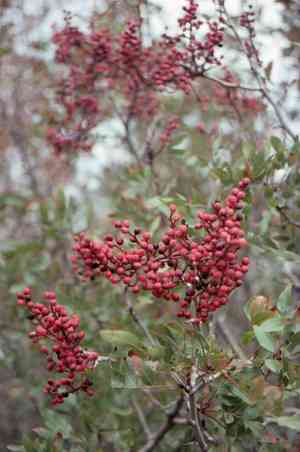
The Terebinth tree can be successfully multiplied using cuttings. Start by choosing robust, semi-lignified sections. Following the cut, apply a rooting stimulant to the ends to boost root formation. Insert the cuttings into a substrate that drains efficiently, making sure they remain damp and in a consistent setting to foster effective rooting. Consistent inspection for infestations and ailments is advisable to guarantee the cuttings flourish.
When Is the Optimal Time to Propagate Terebinth Tree?
Propagation Method
Cutting
Propagation Period
Autumn,Winter
What Tools Are Utilized in Terebinth Tree Propagation?
Sharp Pruning Shears
Crucial for obtaining clean, precise cuts from terebinth tree branches for propagation. Sharp blades minimize damage to both the parent plant and the cuttings, fostering quicker healing and reducing disease risk. Precision aids in making an angled cut, increasing surface area for root development.
Rooting Hormone Powder
Employed to stimulate root growth during the initial stages of terebinth tree cutting propagation. Applying rooting hormone ensures a higher success rate by promoting faster rooting, vital for cuttings' survival in their early days. This can be key to enhancing root system establishment under challenging propagation conditions for terebinth tree.
Sterilized Potting Mix
Offers a clean, pathogen-free environment essential for successful rooting of terebinth tree cuttings. The mix should be light and well-draining to support initial growth without waterlogging, which can lead to root rot. Sterilizing the potting media helps prevent disease transmission during the sensitive rooting phase.
Humidity Dome
Helps maintain a high humidity environment around terebinth tree cuttings, crucial for preventing water loss through transpiration. This is especially important until cuttings develop their root systems and can independently absorb water.
Heat Mats
Ensures optimal soil temperature, encouraging root growth in terebinth tree cuttings. Consistent, appropriate bottom heat enhances enzymatic activities necessary for root development, particularly vital in cooler climates or during colder months.
How to Propagate Terebinth Tree?
Propagation Type
Moderately Difficult
How to Care for Your Newly Propagated Terebinth Tree?
How to Care for Your Newly Propagated Terebinth Tree?
Once terebinth tree has been successfully propagated, it needs full sun to partial shade, occasional deep watering, and well-drained soil. As terebinth tree is a Mediterranean native, it doesn't require excessive watering and can withstand drought once established. Fertilize during the growing season with a balanced fertilizer. Prune in late winter to maintain shape and encourage new growth.
Common Errors to Avoid When Propagating Terebinth Tree
Overwatering
Excessive watering can cause root rot and fungal diseases. Terebinth tree needs well-draining soil to prevent waterlogged conditions that harm its roots and impede growth.
Ignoring cutting maturity
Using immature or overly mature cuttings for propagation may lead to poor root development or cutting failure. Terebinth tree cuttings should be semi-hardwood for optimal rooting.
Planting depth
Planting cuttings too deep can cause them to rot before rooting. Terebinth tree cuttings should be placed at the correct depth to ensure proper rooting and aeration.
Neglecting soil mixture
Using an unsuitable soil mix can hinder root growth. Terebinth tree cuttings thrive in a light, airy substrate that promotes root development.
Insufficient humidity
Terebinth tree cuttings require adequate humidity to root successfully. Lack of humidity can cause cuttings to dry out and fail to establish.
Omitting rooting hormones
While not always essential, rooting hormones can significantly boost the rooting success of terebinth tree. Skipping this step may result in diminished propagation outcomes.
Tips For Propagating Terebinth Tree
Correct cutting selection
Choose semi-hardwood cuttings from healthy, disease-free parent plants of terebinth tree. This increases the likelihood of successful rooting.
Appropriate planting depth
Insert cuttings shallowly into the propagation medium to prevent rot while still providing stability for terebinth tree.
Optimal humidity
Maintain high humidity around terebinth tree cuttings using a humidity dome or regular misting, especially in drier environments.
Well-draining substrate
Utilize a mix of perlite, peat, and coarse sand to create a well-draining and aerated substrate ideal for terebinth tree rooting.
Prevent overwatering
Water terebinth tree cuttings sparingly, allowing the top layer of the substrate to dry out between waterings to prevent over-saturation and root rot.
Use of rooting hormone
Apply a rooting hormone to the base of terebinth tree cuttings to encourage faster and more consistent root development.



