How to Propagate Betel?
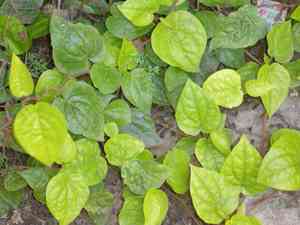
Betel flourishes when reproduced via cuttings. Select robust, unblemished stem segments, and prepare them by making precise incisions directly beneath the nodes. Employing a rooting stimulant is crucial to boost root formation prior to placing the cuttings into a well-aerated potting blend. Confirm the soil stays damp yet not oversaturated, offering a consistent setting for root development. For peak proliferation, sustain a moist climate surrounding the nascent plants by gently covering them with a plastic film until roots emerge.
Optimal Time for Betel Propagation
Propagation Method
Cutting
Propagation Period
Spring,Summer
Essential Tools for Betel Propagation
Sharp Pruning Shears
Crucial for obtaining clean and precise betel cuttings, sharp pruning shears minimize harm to both the parent plant and the cutting itself. The clean cuts these shears produce facilitate quicker healing and lessen the likelihood of infection, which is vital for successful betel propagation.
Rooting Hormone Powder
This product encourages root development from betel cuttings, boosting root formation and increasing the propagation success rate. Rooting hormone powder contains auxins, which are particularly beneficial for stimulating new root growth on cuttings, a key factor for betel that relies on this method for reproduction.
Sterilized Potting Mix
A well-draining, sterile potting mix ensures that new betel cuttings avoid soil-borne diseases and have the best environment for root development. This medium provides the necessary support and nutrients required during the initial growth stages, maintaining the overall health of betel during and after the propagation process.
Propagation Tray
These trays are utilized to hold the potting mix and keep betel cuttings organized. Propagation trays help maintain the required humidity and temperature, critical elements in the betel rooting process. They also allow for multiple cuttings to be propagated simultaneously, enhancing efficiency.
Plastic Covers or Humidity Domes
These covers fit over propagation trays to help maintain high humidity and a stable temperature around betel cuttings. This environment is crucial as it mimics the natural humid conditions preferred by betel, promoting faster and healthier root development.
Betel Propagation Difficulty
Propagation Type
Moderately Difficult
Post-Propagation Care for Betel
How to Care for Your Newly Propagated Betel?
Once the betel cutting has successfully rooted and begun to show new growth, typically after a few weeks, gradually acclimatize it to less humid conditions by removing the plastic cover. Continue to keep the soil moist but ensure proper drainage to prevent root rot. Position the plant in a spot with bright, indirect light and provide a monthly feeding with a balanced liquid fertilizer during the growing season. Regularly inspect for pests and diseases to maintain a healthy plant.
Common Errors to Avoid When Propagating Betel
Overwatering
Excessive water can lead to root rot in betel, which impairs the plant's ability to absorb nutrients and water, thereby hindering growth and potentially causing death.
Insufficient humidity
Betel thrives in moist conditions. A lack of humidity can cause drying out, which impedes leaf development and can reduce the viability of new cuttings.
Using old or diseased cuttings
Propagating betel with aged or infected cuttings can spread diseases to new plants and result in poor growth or failure to establish.
Deep planting
Planting cuttings too deeply can cause betel cuttings to rot before they establish roots, as excessive soil can reduce necessary air circulation around the stem.
Tips for Propagating Betel
Appropriate cutting selection
Use healthy, disease-free cuttings from a robust part of betel to ensure the best chance of successful rooting and growth.
Maintain high humidity
Enclose the propagation environment with a plastic cover or use a humidity chamber to maintain high moisture levels necessary for betel cuttings to thrive.
Use rooting hormones
Applying rooting hormone to the cut ends of betel cuttings can significantly improve the chances of rooting success by enhancing root growth and development.
Light but frequent watering
Water betel cuttings lightly but consistently to keep the soil moist without becoming waterlogged, which supports healthy root growth without the risk of rot.



