How to Propagate Himalayan pine?
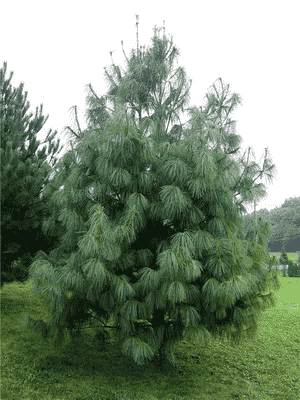
Pinus wallichiana, a grand evergreen from elevated regions, is commonly reproduced via cuttings. Those intending to grow this variety ought to choose robust, semi-lignified shoots. Verify that the cuttings originate from thriving, uninfected parent plants to maximize successful propagation. Cultivating them in a porous, sandy substrate improves root formation, which is vital for this pine's progression. Regular hydration and dappled light will aid the cuttings until they are securely rooted.
Optimal Period for Himalayan Pine Propagation
Propagation Type
Cutting
Propagation Season
Autumn,Winter
Tools for Himalayan Pine Propagation
Sharp pruning shears
Crucial for obtaining clean, precise himalayan pine cuttings, sharp pruning shears minimize damage to the parent plant and ensure smooth, healthy cuts. This is vital as rough or bruised cuts can introduce pathogens and decrease the likelihood of successful rooting.
Rooting hormone
This chemical compound stimulates root formation from himalayan pine cuttings. Applying rooting hormone to the cut surface before planting boosts the probability of successful root development, which is key for himalayan pine due to its slow root system maturation.
Sterilized potting mix
A sterile, pathogen-free potting mix ensures that new himalayan pine cuttings are planted in an environment that supports healthy growth without the threat of soil-borne diseases. This mix should drain well yet retain sufficient moisture for root growth.
Propagation tray
These trays are beneficial for organizing and nurturing multiple himalayan pine cuttings in a controlled setting. They help maintain consistent moisture levels and, with a clear plastic dome, can create a greenhouse effect that aids rooting.
Misting system or spray bottle
Maintaining high humidity around himalayan pine cuttings is vital for their survival and root development. A misting system or regular use of a spray bottle helps keep the environment moist, preventing the delicate cuttings from drying out during the crucial initial rooting phases.
Heating mat
As himalayan pine benefits from a warm rooting environment, a heating mat can be placed beneath the propagation tray to maintain optimal temperatures. This supports enzymatic activity linked to root development and can significantly improve propagation success rates.
Propagating Himalayan Pine: A Guide
Propagation Type
Moderately Difficult
Caring for Your Newly Propagated Himalayan Pine
Caring for Your Newly Propagated Himalayan Pine
Once roots are established and new growth appears, gradually accustom himalayan pine to less humid conditions before transplanting outdoors to a permanent spot. Himalayan pine thrives in full sun and requires well-drained soil. Maintain consistent moisture, especially during dry spells, but avoid overwatering. Annual mulching helps retain soil moisture and regulate soil temperature. Regularly check for pests like pine sawfly and treat as needed.
Common Propagation Errors to Avoid with Himalayan Pine
Overwatering
Excessive water can lead to root rot in himalayan pine, as it prefers well-drained soil conditions.
Using generic soil
Not utilizing a well-draining soil mix can hinder the growth of himalayan pine, as it requires a soil composition that mimics its natural alpine habitat.
Ignorning pest management
Neglecting the presence of pests such as pine weevils can harm himalayan pine during its vulnerable growth stages, negatively impacting its development.
Poor cutting selection
Choosing weak or diseased cuttings can result in propagation failure because such material lacks the vigor and health needed for himalayan pine to root and grow.
Inadequate acclimatization
Failing to harden off the propagated himalayan pine can lead to shock when moved outdoors due to the lack of gradual exposure to its eventual growing conditions.
Himalayan Pine Propagation Tips
Proper cutting technique
Using semi-hardwood cuttings from a healthy himalayan pine during the correct phase of its growth cycle enhances the chances of successful rooting.
Utilizing rooting hormones
Applying the appropriate rooting hormone to the cuttings promotes root development in himalayan pine, improving the propagation process.
Maintaining humidity
Keeping himalayan pine cuttings in a humid environment prevents moisture loss, which is crucial for the rooting process.
Controlled lighting
Providing himalayan pine with adequate lighting, mimicking its natural environment, is essential for growth without exposing the plant to the harsh midday sun.
Pest & disease monitoring
Regularly inspecting himalayan pine for signs of pests and disease ensures early intervention, a critical aspect in the successful propagation of the plant.



