How to Propagate Siberian stone pine?
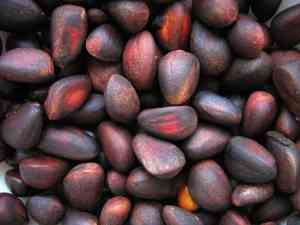
This evergreen, originating from Siberia's frigid regions, thrives when given appropriate propagation attention. Taking cuttings, particularly from side branches, offers an effective method to multiply the plant. To boost their chances of survival, choose cuttings during their period of active growth. It is advantageous to ensure cuttings possess an adequate length and incorporate multiple groups of needles. Insert them into soil that drains effectively, keeping it damp but not waterlogged. Employing a rooting stimulant can improve successful rooting. Supply consistent illumination and shield young plants from harsh weather conditions to encourage vigorous growth.
Optimal Time for Siberian Stone Pine Propagation
Propagation Method
Cutting
Propagation Period
Autumn,Winter
Tools for Siberian Stone Pine Propagation
Sharp pruning shears
Sharp pruning shears are crucial for obtaining healthy, precise cuttings from siberian stone pine. A clean cut prevents disease and damage to both the parent plant and the cutting. Sharpness ensures vascular tissues, vital for water and nutrient transport, are not crushed, significantly boosting rooting success.
Rooting hormone
Applying rooting hormone to the cut end of siberian stone pine cuttings can significantly increase the probability of root development. This hormone stimulates root growth at the cutting site, which is essential as siberian stone pine can be difficult to root. Its use can shorten the rooting timeline and improve overall propagation success.
Sterile potting mix
A sterile potting mix is essential for rooting siberian stone pine cuttings, ensuring new plants are not exposed to disease-causing pathogens. A well-draining, low-nutrient medium is preferred, as it maintains proper moisture and air balance around developing roots, promoting healthier initial growth and reducing root rot risk.
Propagation tray with humidity dome
These trays offer an ideal environment for siberian stone pine cuttings to establish roots by maintaining consistent humidity and temperature. The humidity dome helps retain moisture, creating a beneficial microclimate for rooting. This is particularly critical for siberian stone pine, which requires stable conditions for successful root development.
Heat mat (optional)
While not always necessary, a heat mat can benefit siberian stone pine cuttings by providing gentle warmth that stimulates root growth and improves germination rates. This is especially useful in cooler climates or during colder times of the year, when ambient temperatures might be below the optimal range for root development in siberian stone pine.
How to Propagate Siberian Stone Pine?
Propagation Type
Moderately Difficult
Caring for Newly Propagated Siberian Stone Pine
Caring for Newly Propagated Siberian Stone Pine
Once siberian stone pine seedlings have developed true leaves and show stable growth, they can be transplanted into individual pots or directly outdoors if the climate is suitable. Maintain moist but well-drained soil, provide full sun exposure, and protect from strong winds. Occasional pruning may be done to maintain shape and encourage healthy growth. Fertilization should be limited to once a year with a balanced, slow-release fertilizer suitable for coniferous species.
Common Errors to Avoid When Propagating Siberian Stone Pine
Using incorrect soil mixture
Employing a soil mix that lacks proper drainage can lead to waterlogging, which is harmful to siberian stone pine. This species requires well-drained soil to prevent root rot and other fungal diseases.
Overwatering
Providing excessive water can result in waterlogged conditions, making siberian stone pine vulnerable to root decay. This species thrives in relatively dry conditions, reflecting its natural habitat.
Insufficient stratification
Failing to provide a cold stratification period before sowing siberian stone pine seeds can lead to low germination rates. This is because the seeds of this pine are adapted to cold climates and require cold exposure to break dormancy.
Tips For Propagating Siberian Stone Pine
Use of well-draining soil
Utilize a sandy soil mixture that allows for good drainage to support the health of siberian stone pine. This mimics the natural soil conditions of its native environment and prevents water retention that can cause root diseases.
Moderate watering
Irrigate siberian stone pine moderately to maintain slightly moist soil conditions, avoiding overwatering. Keeping the soil too wet can lead to fungal diseases and unhealthy root development.
Cold stratification of seeds
Subject siberian stone pine seeds to several weeks of cold stratification before planting. This process mimics the natural winter conditions that the seeds require for successful germination and enhances overall propagation success.



