How to Propagate Korean spruce?
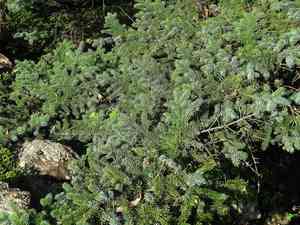
Korean spruce flourishes most effectively when reproduced via cuttings. Gardeners should prioritize choosing a robust, unblemished branch. Employ sharp, sterilized instruments for the incision, minimizing harm to the source plant. Carefully handling the cuttings to preserve their moisture and utilizing a rooting stimulant can elevate successful propagation. Subsequently, these ought to be situated in a growing substrate that drains efficiently, maintained under regulated illumination and humidity levels to foster root development.
Optimal Period for Korean Spruce Propagation
Propagation Method
Cutting
Propagation Season
Autumn,Winter
Essential Tools for Korean Spruce Propagation
Sharp Pruning Shears
These are vital for gathering korean spruce cuttings. Their sharp blades ensure clean, precise cuts, minimizing harm to the parent plant's tissues. This is crucial for the well-being of both the cuttings and the original plant, aiding in infection prevention and promoting better healing.
Rooting Hormone
Rooting hormone, whether powder or gel, boosts root formation in korean spruce cuttings. By stimulating root growth, it increases the likelihood of successful propagation, ensuring cuttings develop a robust root system essential for survival and development.
Sterile Potting Mix
A sterile potting mix offers a clean, regulated environment for korean spruce cuttings, reducing the risk of soil-borne illnesses. The mix should drain well yet retain enough moisture to support initial root growth.
Humidity Dome or Plastic Bags
Maintaining high humidity is crucial for korean spruce cuttings, which can easily lose moisture and wilt. A humidity dome or clear plastic bag over the container helps retain moisture and create a greenhouse-like setting, encouraging successful root development.
How to Propagate Korean Spruce?
Propagation Type
Moderately Difficult
Caring for Your Newly Propagated Korean Spruce
Caring for Your Newly Propagated Korean Spruce
Once roots have formed (typically after several weeks to a couple of months), gradually acclimate them to lower humidity by removing the plastic cover for a few hours daily. Transplant rooted cuttings into larger pots with well-draining soil. Position in indirect sunlight and ensure the soil stays moist but not waterlogged. Shield korean spruce from extreme temperatures and strong winds as they establish.
Common Errors to Avoid When Propagating Korean Spruce
Inadequate cutting size
Small or improperly cut segments may struggle to root. Insufficient foliage on korean spruce cuttings can fail to provide necessary energy through photosynthesis, jeopardizing the cutting's survival.
Overwatering cuttings
Excessive moisture can lead to fungal diseases or root rot in korean spruce cuttings. While moisture is vital for root development, too much water eliminates essential air pockets in the soil, reducing oxygen availability to roots.
Ignoring mycorrhizal relationships
Neglecting the symbiotic association that korean spruce typically forms with mycorrhizal fungi can impede root development and nutrient uptake, impacting overall plant growth and health.
Planting in poor soil
Using low-quality or unsuitable soil types for korean spruce can hinder proper root development and nutrient absorption, leading to poor plant establishment and growth.
Tips For Propagating Korean Spruce
Proper cutting technique
Use healthy, semi-hardwood sections of korean spruce for cuttings, typically from the current or previous year's growth. Ensure each cutting has at least two to three node points for potential root development.
Balanced hydration
Maintain consistent moisture levels for korean spruce cuttings, ensuring the medium is damp but not saturated. Use a well-draining soil mix to avoid waterlogging and allow adequate airflow to roots.
Incorporate mycorrhizal fungi
Introduce mycorrhizal fungi into the planting medium when propagating korean spruce. This symbiotic relationship enhances nutrient and water absorption, fostering healthier and more robust growth.
Select appropriate soil
Choose a fertile, well-draining soil rich in organic matter for korean spruce. Optimal soil conditions improve root establishment and support healthy growth during the critical stages of propagation.



