How to Propagate Tuberous jerusalem sage?
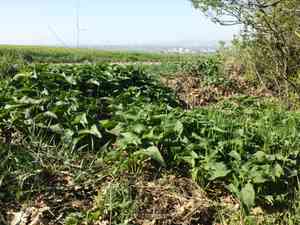
Tuberous jerusalem sage is mainly reproduced by seeding. For successful development, utilize a growing medium that drains efficiently and confirm that seeds are planted at a superficial depth to permit light penetration, which is vital for sprouting. Preserve uniform dampness but prevent excessive saturation to avert decay. Careful handling of young plants during relocation guarantees improved establishment and endurance in their final spots.
What Is the Best Time To Propagate Tuberous Jerusalem Sage?
Propagation Type
Seeding
Propagation Season
Spring
What Tools Are Used in Tuberous Jerusalem Sage Propagation?
Seed trays
Seed trays are crucial for effectively planting tuberous jerusalem sage seeds. These containers offer an organized space for seeds to sprout, ensuring each seedling gets enough soil and room to grow without competition. Their shallow design makes monitoring and care easy during the vital germination stage.
Fine-textured seed starting mix
A specially formulated seed starting mix promotes robust root development and maintains proper moisture levels, essential for the germination of tuberous jerusalem sage seeds. Its fine texture ensures close contact with the seeds, improving water absorption and providing necessary nutrients.
Misting bottle
A misting bottle is utilized to gently water tuberous jerusalem sage seeds without dislodging them. The fine mist ensures the seeds stay damp, fostering optimal germination conditions without the risk of washing away or burying the seeds under a heavy water stream.
Heating mat
Since tuberous jerusalem sage may need warmth for optimal germination, a heating mat is particularly useful. This tool maintains a consistent soil temperature, vital for boosting germination rates and ensuring uniform growth among seedlings.
Grow lights
Grow lights are essential if natural light conditions are insufficient. They provide a controlled light source crucial for tuberous jerusalem sage seedlings, promoting photosynthesis and healthy leaf development in the early stages after germination.
How to Propagate Tuberous Jerusalem Sage?
Propagation Type
Simple
How to Care for Your Newly Propagated Tuberous Jerusalem Sage?
How to Care for Your Newly Propagated Tuberous Jerusalem Sage?
Post-germination, continue to keep the soil consistently moist, allowing the surface to dry slightly between waterings to prevent root rot. Gradually introduce seedlings to more direct sunlight to encourage vigorous growth. Transplant the young tuberous jerusalem sage plants to their permanent spot once they are well-established and the danger of frost has passed. Regular feeding with a balanced, water-soluble fertilizer will support healthy development throughout the growing season.
Common Mistakes to Avoid When Propagating Tuberous Jerusalem Sage
Overwatering
Excessive watering can cause root rot in tuberous jerusalem sage, which is sensitive to too much moisture around its tuberous roots. This can impede root development and diminish the plant's overall health.
Deep planting
Planting tuberous jerusalem sage tubers too deeply can restrict oxygen availability and hinder root growth, leading to poor plant development and even tuber decay.
Ignoring soil composition
Using a soil mix that drains poorly or lacks essential nutrients can severely impact the health of tuberous jerusalem sage. Substandard soil can result in stunted growth and reduced propagation success.
Tips For Propagating Tuberous Jerusalem Sage
Tuber division
When propagating tuberous jerusalem sage via tuber division, ensure each division includes a portion of the root and some existing growth points or 'eyes'. This promotes faster establishment and healthier growth.
Soil preparation
Prepare a well-draining, nutrient-rich soil mix to encourage robust root growth in tuberous jerusalem sage. A mix that retains moisture without becoming waterlogged is ideal for preventing diseases and supporting strong development.
Moderate watering
After planting, water tuberous jerusalem sage moderately to establish moisture around the roots without causing waterlogging. Maintaining consistent moisture while avoiding overwatering is crucial for the successful establishment of the tubers.



