How to Propagate Lima bean?
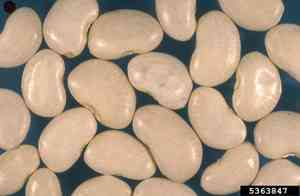
The Lima bean, a species within the legume family, is primarily reproduced via its seeds. For effective sprouting, the seeds ought to be submerged in water for a few hours prior to planting, which helps to soften their robust exterior casing. Plant the seeds directly into soil that drains efficiently, situated in a sun-exposed area, burying them to a depth roughly double their individual size. Sufficient distance between plants is crucial to avoid excessive density and to encourage air movement, thereby reducing the likelihood of fungal infections. Maintaining steady hydration during the initial growth phase is vital, yet be cautious not to provide too much water, as this could lead to seed decay.
Optimal Time for Lima Bean Propagation
Propagation Method
Seeding
Propagation Period
Spring
Tools Utilized in Lima Bean Propagation
Seed trays
Seed trays are employed for initiating lima bean seeds within a controlled setting. These trays enable the organized planting of multiple seeds, promoting uniform growth and simplified management during early development. They are especially advantageous for lima bean as they ensure ample space for initial root growth before transplanting.
Potting soil
Potting soil offers a nutrient-rich medium vital for the germination and initial growth phases of lima bean. Selecting high-quality, well-draining potting soil is essential as it supports root health and minimizes risks of soil-borne diseases, which is crucial for the successful establishment of lima bean seedlings.
Watering can with a fine rose
This implement is used for gently irrigating lima bean seeds without dislodging them or causing soil erosion. The fine rose attachment disperses water evenly, ensuring seeds remain in place and receive moisture without becoming saturated.
Labels and markers
Labels and markers are important for distinguishing various lima bean types if multiple varieties are being propagated. These tools assist in monitoring the growth and characteristics of each variety, aiding in ongoing care and future propagation efforts.
Heat mat
A heat mat helps maintain an optimal soil temperature, which is critical for lima bean germination. Since temperature regulation can significantly impact germination rates, using a heat mat ensures lima bean seeds have the ideal warmth required for successful sprouting.
How to Propagate Lima Bean?
Propagation Type
Simple
Caring for Your Newly Propagated Lima Bean
Caring for Your Newly Propagated Lima Bean
Following propagation, continue to irrigate the lima bean regularly to maintain consistently moist soil, particularly during dry spells. Provide support like a trellis if it's a climbing variety, to encourage vertical growth and ease harvesting. Mulch around the plants to retain moisture, regulate soil temperature, and control weeds. Watch for pests such as aphids and diseases like root rot, and treat appropriately. Monitor plant development and provide additional organic fertilizer if needed for healthy pod formation. Harvest the lima bean when pods are plump and firm, typically 65-75 days after planting.
Common Errors to Avoid When Propagating Lima Bean
Overwatering
Supplying too much water can lead to root rot in lima bean, which thrives in well-drained soil. This error can cause the plant to wilt and perish.
Planting too deep
Lima bean seeds planted excessively deep may struggle to germinate. Too much depth makes it difficult for seedlings to reach the surface and can reduce propagation success.
Ignoring soil quality
Using poor quality or unsuitable soil can hinder lima bean growth. Soil lacking nutrients or draining poorly can negatively affect the plant's development.
Neglecting temperature
Lima bean requires a specific temperature range to flourish. Propagating in conditions that are too cold or too hot can impair germination and growth, leading to poor yields or plant failure.
Overcrowding
Sowing lima bean seeds too close together can result in competition for light, space, and nutrients, leading to weaker plants and reduced production.
Tips For Propagating Lima Bean
Proper watering
Maintaining a balanced watering schedule is crucial. Soil for lima bean should be kept moist but not waterlogged to encourage healthy root development and prevent rot.
Correct planting depth
Lima bean seeds should be planted at the recommended depth, usually around 1-1.5 inches, to ensure optimal growth conditions for seedlings.
Soil preparation
Enriching the soil with compost or a balanced fertilizer before planting can provide lima bean with the necessary nutrients for strong growth.
Temperature control
Ensuring that the environment is within the ideal temperature range for lima bean will support consistent germination and healthy plant development.
Adequate spacing
Lima bean seeds should be sown with sufficient room between them to minimize competition and allow for proper maturation and access to nutrients.



