How to Propagate Coville's phacelia?
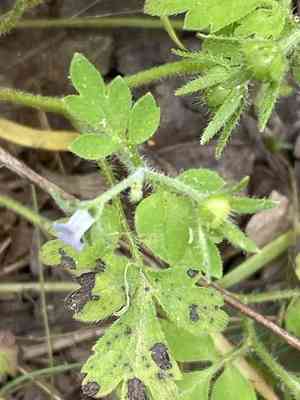
Coville's phacelia is a fragile yearly wildflower characterized by intricately segmented foliage and tiny violet-blue blossoms. To cultivate coville's phacelia, scatter seeds directly onto the top layer of finely prepared earth where they can readily sprout. Confirm the ground stays damp, refraining from excessive watering that could dislodge the superficial seed placement. Reduce the number of young plants to achieve ideal separation. This species flourishes most effectively in soil that drains well and receives ample solar exposure, guaranteeing vigorous development and blooming.
Optimal Time for Coville's Phacelia Propagation
Propagation Method
Seeding
Propagation Period
Spring
Tools for Coville's Phacelia Propagation
Seed Trays
Seed trays are crucial for planting coville's phacelia seeds. They offer a controlled setting for seeds to sprout and grow into young plants. Utilizing a seed tray guarantees even distribution and proper spacing of seeds, lessening competition for resources and fostering robust development.
Seed Starting Mix
A premium seed starting mix is essential for coville's phacelia germination. This blend is typically fine, drains well, and is sterile, preventing disease-causing agents that can harm seedlings. It ensures seeds get necessary nutrients and moisture without becoming waterlogged.
Humidity Dome
A humidity dome helps maintain the high moisture levels needed for successful coville's phacelia germination. It creates a microclimate that retains humidity and warmth, vital for effective seed sprouting.
Heating Mat
A heating mat provides consistent warmth from below, which is critical for coville's phacelia germination, especially in cooler conditions. The gentle heat promotes quicker and more uniform sprouting by maintaining the ideal soil temperature.
Spray Bottle
Using a spray bottle to mist coville's phacelia seedlings ensures they receive enough moisture without disturbing the soil or dislodging seeds. This watering method is gentle and helps maintain the delicate moisture balance needed during early growth stages.
Labels and Markers
Labels and markers help track different varieties and planting dates of coville's phacelia. Accurate labeling reduces confusion and ensures each batch of seedlings receives care tailored to its specific needs.
Grow Lights
Grow lights provide the necessary light spectrum and intensity for strong coville's phacelia growth, especially if natural light is insufficient. They support photosynthesis and help prevent leggy, weak seedlings, promoting healthy and robust plants.
How to Propagate Coville's Phacelia?
Propagation Type
Simple
Caring for Newly Propagated Coville's Phacelia
Caring for Newly Propagated Coville's Phacelia
Once coville's phacelia seedlings are established and sturdy enough to handle, move them to their permanent spot in the garden or a larger pot. Provide full sun exposure and maintain consistent watering, ensuring the soil stays moist but not soggy. Regularly check for pests and diseases, and apply organic fertilizers as needed to support healthy growth and blooming.
Common Errors to Avoid When Propagating Coville's Phacelia
Overwatering
Excessive moisture can lead to root rot and fungal infections, which can severely harm the plant's health and overall propagation success.
Incorrect Soil Type
Using dense or clay-heavy soil hinders drainage and air circulation, which are crucial for seed germination and healthy root development.
Lack of Sunlight
Insufficient light impedes photosynthesis, stunting seedling growth and reducing their vitality.
Planting Too Deep
Planting seeds too far down in the soil makes it difficult for them to sprout and reach the surface.
Neglecting Soil Preparation
Failing to properly prepare the soil results in poor nutrient availability and compaction issues, both of which negatively impact seedling growth.
Tips For Propagating Coville's Phacelia
Moderate Watering
Ensure soil is consistently damp but not waterlogged to prevent root rot and maintain ideal growth conditions.
Well-Draining Soil
Utilize sandy or loamy soil mixtures that offer good drainage and aeration to foster healthy root systems and successful seedling development.
Adequate Sunlight
Place propagation trays or planting areas in locations that receive ample natural light to support vigorous growth and strong seedling development.
Correct Seed Depth
Sow seeds at a shallow depth, typically just covered with a thin layer of soil, to facilitate easier germination and emergence.
Soil Preparation
Amend soil with organic matter for improved nutrient content and structure, ensuring a supportive environment for seedlings.



