How to Propagate Queen's wreath?
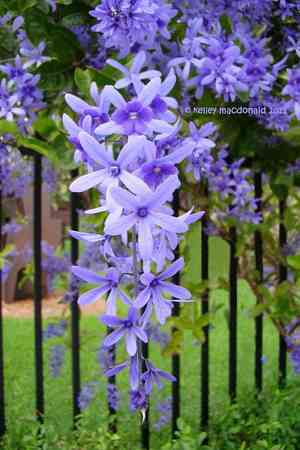
Renowned for its flowing bunches of purple blossoms, queen's wreath is effectively multiplied via cuttings. For peak outcomes, utilize semi-mature stems possessing a minimum of one leaf joint. It is crucial to sustain elevated moisture levels and offer diffused illumination for the cuttings to develop roots proficiently. With proper attention over time, the cuttings will form a robust root structure. Employing a growing medium that drains well can significantly boost the likelihood of successful propagation.
Optimal Period for Queen's Wreath Propagation
Propagation Method
Cutting
Propagation Period
Spring,Summer
Tools Required for Queen's Wreath Propagation
Sharp Pruning Shears
These are crucial for obtaining cuttings from queen's wreath. Sharp blades ensure a clean incision, minimizing harm to the parent plant and boosting the likelihood of successful rooting for the cuttings. Well-maintained and disinfected pruning shears prevent disease spread during cutting.
Rooting Hormone Powder
This product encourages root development from queen's wreath cuttings. By dipping the severed end of the cutting into rooting hormone, the chances of successful root formation are significantly increased. This is especially beneficial for queen's wreath, which might otherwise root more slowly or with difficulty.
Sterile Potting Mix
A sterile, well-draining potting mix offers the ideal environment for queen's wreath cuttings to root. It lowers the risk of fungal or bacterial infections, which can compromise the growth and health of new plants.
Propagation Trays
These trays are utilized to hold queen's wreath cuttings in a stable setting, allowing for consistent moisture and temperature regulation. Trays also simplify the organization of multiple cuttings, improving space efficiency and ease of handling during rooting.
Plastic Covers
Covering propagation trays with clear plastic creates a mini-greenhouse environment. This maintains high humidity and stable temperature around queen's wreath cuttings, conditions vital for encouraging root development and preventing the cutting from drying out.
How to Propagate Queen's Wreath?
Propagation Type
Moderately Difficult
Caring for Your Newly Propagated Queen's Wreath
Caring for Your Newly Propagated Queen's Wreath
Once the queen's wreath cutting has rooted, typically after several weeks, gradually introduce it to normal growing conditions. Water consistently to keep the soil uniformly moist but not waterlogged. Provide queen's wreath with bright, indirect light and shield it from intense midday sun. Fertilize with a balanced, water-soluble fertilizer every 4-6 weeks during the active growth period. Monitor for pests and diseases and treat as needed to maintain plant health and vigor.
Common Errors to Avoid When Propagating Queen's Wreath
Overwatering cuttings
Excessive watering can lead to root rot and fungal problems, especially since queen's wreath's cuttings require well-draining soil to form healthy roots.
Using old or dull cutting tools
Blunt tools can harm stems during the cutting process, causing bruising and poor healing of queen's wreath, which may decrease the likelihood of successful propagation.
Neglecting to remove lower leaves
Failure to remove the lower leaves might cause them to decay when embedded in the growing medium, thus impacting the health of queen's wreath cuttings.
Not providing adequate light
Once queen's wreath cuttings are potted, insufficient light can result in weak, leggy growth, which diminishes the probability of successful establishment.
Advice for Propagating Queen's Wreath
Use sharp, sterilized tools
Clean and sharp instruments ensure a precise cut, reducing infection risk and promoting better rooting in queen's wreath.
Choose healthy parent plants
Healthy and robust parent plants are more likely to yield strong queen's wreath cuttings that root successfully.
Provide proper humidity
Maintaining a humid environment around queen's wreath cuttings can prevent them from drying out before root establishment.
Use rooting hormone
Applying rooting hormone to the cut end of queen's wreath stem cuttings may enhance root development and propagation success.



