How to Propagate Annual pink sorrel?
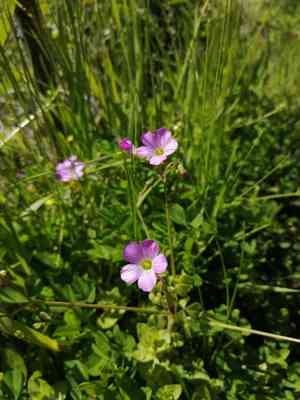
Effective propagation of annual pink sorrel involves utilizing the buds found on its stems. For successful cultivation, meticulously detach these bud-bearing segments, making sure each retains a section of the stem. Insert these cuttings into a potting medium that drains efficiently, preferably one fortified with organic matter to enhance its nutritional value. Sustaining uniform dampness without oversaturation is vital for encouraging robust root formation.
Optimal Time for Annual Pink Sorrel Propagation
Propagation Method
BudsOnTheStalk
Propagation Period
Spring,Summer,Autumn
Tools for Annual Pink Sorrel Propagation
Sharp Scissors or Pruning Shears
These are vital for making clean cuts when removing buds from annual pink sorrel stalks. A precise cut minimizes harm to both the parent plant and the bud, encouraging quicker recovery and successful establishment upon planting.
Rooting Hormone
Applying a rooting hormone to the base of bud cuttings can significantly boost root formation. This is especially beneficial for annual pink sorrel, promoting a strong root system essential for new plant establishment.
Potting Mix
A light, well-draining potting mix is perfect for annual pink sorrel propagation. This soil type offers the necessary aeration and moisture retention to support the initial growth phases of young plants.
Small Pots or Trays
These containers are used for planting the prepared buds. Utilizing individual pots or divided trays helps manage the growing environment of each new annual pink sorrel plant separately, allowing for better growth oversight and care.
Misting Bottle
Maintaining proper moisture levels is critical for annual pink sorrel propagation. A misting bottle is used to gently water newly planted buds, ensuring the soil is damp but not saturated, which is key to preventing root rot.
How to Propagate Annual Pink Sorrel?
Propagation Type
Moderately Difficult
Caring for Newly Propagated Annual Pink Sorrel
Caring for Newly Propagated Annual Pink Sorrel
Post-propagation, it's crucial to gradually introduce young annual pink sorrel plants to their permanent setting. Begin by slowly increasing their exposure to natural light, and ensure the soil stays moist but drains well. Once settled, annual pink sorrel thrives with consistent watering during dry spells and prefers a semi-shaded spot protected from intense midday sun. Regular feeding with a balanced, diluted fertilizer during the growing season will help maintain robust health and abundant blooms.
Common Propagation Errors for Annual Pink Sorrel
Overwatering
Excessive watering can lead to root rot in annual pink sorrel, a condition that hinders root development and reduces the plant's ability to absorb nutrients effectively.
Using compacted soil
Propagating annual pink sorrel in overly dense or compressed soil can impede root expansion, restricting the plant's growth and weakening its overall health.
Ignoring light requirements
Failing to provide annual pink sorrel with adequate light during propagation can result in leggy, weak growth, as it struggles to reach for available light.
Tips For Propagating Annual Pink Sorrel
Light, well-draining soil
Using a light, well-draining soil mix ensures that the roots of annual pink sorrel receive the right balance of moisture and air circulation, crucial for healthy root development.
Moderate watering
Maintaining a balance in watering ensures that the soil remains moist but not waterlogged, supporting optimal growth conditions for annual pink sorrel.
Bright, indirect light
Providing annual pink sorrel with bright, indirect light ensures that it receives the necessary energy for growth without the risk of scorch or excessive heat, which could impede its development.



