How to Propagate Asian Rice?
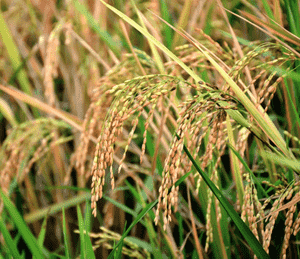
Asian Rice is chiefly multiplied by seeding. To achieve the best development, utilize pre-conditioned seeds to boost sprouting success. Plant directly into rich, thoroughly prepared earth, making sure the seeds are lightly covered. Keep the soil uniformly damp throughout the sprouting phase. Young plants need sufficient sunlight yet must be shielded from harsh environmental factors. Progressive acclimation will fortify the young plants prior to complete outdoor placement.
Optimal Time for Asian Rice Propagation
Propagation Method
Seeding
Propagation Period
Spring
Tools for Asian Rice Propagation
Seed trays
Seed trays are vital for starting asian Rice propagation through sowing. They enable uniform seed distribution, which is key for proper growth and development. The tray compartments help manage substrate volume per seed, ensuring each seedling has ample space to grow without competition, leading to stronger, more robust plants.
Fine-pointed tweezers
Fine-pointed tweezers are utilized for handling asian Rice seeds, which are quite small and delicate. These tweezers prevent damage from direct hand contact and allow for precise placement in the seed tray, essential for consistent germination and growth.
Misting bottle
A misting bottle is employed to gently hydrate asian Rice seeds without disturbing their position in the seed tray. The fine spray ensures the soil stays moist but not saturated, providing ideal hydration for germination. Misting also helps maintain humidity around seedlings, aiding their development.
Plastic cover
A plastic cover placed over the seed tray creates a greenhouse-like environment, helping maintain stable temperature and humidity levels, both crucial for asian Rice germination. This cover shields seeds from external elements and sustains an optimal microclimate for propagation.
Germination mat
A germination mat offers a controlled heat source, which can be critical for asian Rice germination, especially in cooler climates or seasons. By maintaining a consistent soil temperature, a germination mat promotes faster and more uniform seed germination, leading to higher propagation success rates.
How to Propagate Asian Rice?
Propagation Type
Simple
Caring for Newly Propagated Asian Rice
Caring for Newly Propagated Asian Rice
As asian Rice matures, continue to manage water levels, ensuring they are sufficient for growth but not so high as to cause plant stress or rot. Regularly check for pests and diseases. Harvesting typically occurs when plants turn golden brown and grains are firm.
Common Mistakes to Avoid When Propagating Asian Rice
Overcrowding seedlings
Sowing asian Rice's seeds too densely can lead to competition for light, nutrients, and air circulation, weakening plants and increasing disease susceptibility.
Insufficient water
Especially during germination, failing to provide asian Rice with consistent moisture can result in poor seed germination and seedling death, as asian Rice requires a water-intensive environment to thrive.
Improper soil preparation
Using soil that lacks adequate drainage can lead to waterlogging, which is harmful to asian Rice seedlings. This can cause root rot and hinder plant growth.
Tips For Propagating Asian Rice
Pre-soaking seeds
Pre-soaking asian Rice's seeds for 24-48 hours can significantly boost germination rates by softening the seed coat, allowing for quicker and more uniform sprouting.
Maintain shallow water levels
For optimal growth, keep a shallow layer of water (1-2 inches) around asian Rice seedlings. This mimics asian Rice's natural growing conditions and helps prevent roots from drying out.
Control weed growth
Early weed management is vital to prevent nutrient competition. Eliminating weeds around asian Rice seedlings ensures all available nutrients and water support the desired crop's growth.



