How to Propagate Wild basil?
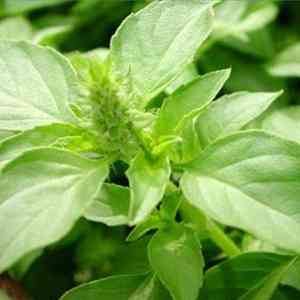
Originating from tropical zones, wild basil is readily multiplied by direct seeding. Disperse the seeds superficially in soil that drains effectively and receives ample illumination; ensure continuous dampness until sprouting occurs. After the young plants produce their initial set of leaves, they may be gently relocated to their permanent spot. For improved outcomes, applying a starter nutrient blend can foster robust root growth.
Optimal Time for Wild Basil Propagation
Propagation Method
Seeding
Propagation Period
Spring
Tools for Wild Basil Propagation
Seed trays
Seed trays are perfect for starting wild basil seeds, offering a controlled setting for initial germination. Each cell provides individual space, minimizing root disturbance during transplanting. Uniform cell distribution ensures consistent moisture and nutrient access, vital for wild basil's delicate germination phase.
Peat pots
Peat pots are useful for propagating wild basil because they are biodegradable and can be directly planted into the soil when seedlings are ready. This significantly reduces transplant shock, a common issue that can hinder plant development and health, by allowing wild basil roots to grow undisturbed.
Potting mix
A quality potting mix supplies essential nutrients and aeration for wild basil seed germination and growth. The mix should drain well yet retain enough moisture to support wild basil's early development. Such an environment is crucial for fostering strong root systems, key for healthy plant growth.
Watering can with a fine rose
A watering can with a fine rose attachment ensures gentle watering, preventing displacement or erosion of small wild basil seeds and seedlings. Controlled, even water distribution promotes uniform germination and prevents waterlogging, protecting young wild basil plants from root diseases.
Labels and markers
Labels and markers are essential for tracking wild basil types and sowing dates. This tool helps monitor growth progress and organize care schedules, which is vital for maintaining wild basil's health and viability during its critical early development stages.
How to Propagate Wild Basil?
Propagation Type
Simple
Caring for Your Newly Propagated Wild Basil
Caring for Your Newly Propagated Wild Basil
Post-propagation, ensure wild basil receives ample sunlight, at least 6 hours daily, vital for robust growth. Water regularly, but allow the soil to dry slightly between waterings to prevent root diseases. Fertilize with a balanced, slow-release fertilizer every 4-6 weeks to encourage healthy foliage and growth. Pruning mature plants periodically will promote bushier growth and prevent legginess. Protect plants from cold temperatures and frost, as wild basil is sensitive to extreme cold.
Common Propagation Mistakes for Wild Basil
Overwatering
Excessive watering of wild basil can lead to root rot, as its roots need a balance of moisture and air. Too much water eliminates air pockets, suffocating roots and encouraging fungal growth.
Using Soil With Poor Drainage
Soil that holds too much water can cause issues similar to overwatering. It can result in root rot for wild basil, as the species thrives in well-draining substrates.
Overcrowding Cuttings
Placing wild basil cuttings too close together can hinder air circulation and light penetration, increasing the risk of fungal infections and reducing overall propagation success.
Ignoring Hygiene
Failing to sterilize tools or using contaminated soil can introduce diseases, which can be detrimental to wild basil cuttings or seeds, potentially ruining propagation efforts.
Wild Basil Propagation Tips
Use Fresh Cuttings
For propagating wild basil via cuttings, use healthy, non-flowering stems for higher success rates, as energy can be directed towards root development instead of flower production.
Optimal Soil Condition
Prepare a well-draining soil mix, or use a perlite and peat mixture, to ensure wild basil has ideal growing conditions and prevent root rot from excessive moisture.
Adequate Spacing
When planting wild basil cuttings or seeds, ensure proper spacing to promote good airflow and prevent fungal infections.
Humidity Control
Maintain sufficient humidity around wild basil cuttings to encourage root growth, but avoid creating an overly moist environment that could lead to mold.



