How to Propagate Nipa palm?
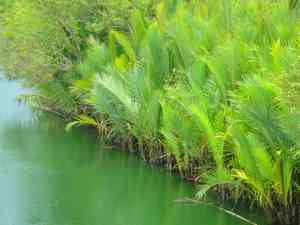
Nipa palm, a species native to tropical mangrove environments, is typically multiplied by means of division, a process that entails detaching offshoots from the primary plant. This technique enables cultivators to preserve genetic uniformity. During the division process, meticulous handling of the root structure is essential to prevent harm and elevate the likelihood of successful new plant integration. Following separation, position the offshoots in a suitable growing medium to stimulate root formation. Consistent irrigation and observation guarantee that the nascent nipa palm will mature into vigorous, fully developed examples, ideal for enriching aquatic settings.
When Is the Optimal Time to Propagate Nipa Palm?
Propagation Method
Splitting
Propagation Period
Spring,Autumn
What Implements Are Utilized in Nipa Palm Propagation?
Sharp Spade or Knife
Specifically for the division technique, a keen spade or a specialized gardening blade is essential for cleanly separating the root clumps of nipa palm. A precise and clean cut minimizes root damage, boosting survival rates during and after transplanting.
Watering Can with Fine Rose
Following division, young nipa palm needs gentle watering to prevent soil erosion around the freshly cut roots. A watering can equipped with a fine rose attachment allows for soft, even water distribution, vital for maintaining moisture levels around new plantings without disturbing the soil.
Rooting Hormone
Applying rooting hormone to the severed sections of nipa palm's roots can significantly boost root formation in the new divisions. This encourages faster establishment and improved growth post-propagation, effectively increasing the success rates of newly propagated plants.
Mulch
Mulch helps retain soil moisture and regulate soil temperature around the new nipa palm plantings. It supports the fragile divisions by creating a stable and nurturing growing environment, crucial for their recovery and development.
Labels and Permanent Marker
For monitoring the growth and developmental stages of propagated nipa palm, durable labels and a permanent marker are indispensable. Proper labeling assists in tracking the progress and maintenance requirements of each newly propagated plant.
How to Propagate Nipa Palm?
Propagation Type
Simple
How to Nurture Your Newly Propagated Nipa Palm?
How to Nurture Your Newly Propagated Nipa Palm?
After propagation, ensure nipa palm receives consistent moisture and partial to full sunlight, mimicking its natural swampy environment. Regularly inspect for pests or diseases. As nipa palm matures, guarantee it has ample room to expand, as it naturally forms clumps and can become extensive. Additionally, mulching around the plant can help retain soil moisture and provide temperature buffering. Regular feeding with a balanced fertilizer will support vigorous growth, especially important during the active growing season.
Common Errors to Avoid When Propagating Nipa Palm
Ignoring water requirements
A frequent error is failing to provide nipa palm with the consistent moisture it demands. This plant naturally thrives in mangrove ecosystems and requires a high water level. Insufficient watering can lead to dehydration and poor root development.
Overlooking salinity levels
Attempting to cultivate nipa palm in fresh water without any salt can negatively impact its growth, as nipa palm is adapted to brackish environments. Neglecting this can hinder germination and overall health.
Planting in incorrect substrate
Nipa palm flourishes in a muddy substrate, rich in organic matter. Using a substrate that is too dense or too sandy can result in inadequate support and aeration for the roots, affecting the plant's stability and nutrient absorption.
Excessive handling of seeds
Handling the seeds of nipa palm too much can damage the delicate embryonic roots that emerge upon germination and are vital for the initial establishment of the plant.
Advice For Propagating Nipa Palm
Maintain proper water logging
Ensure that the pots or ground where nipa palm is propagated have constant water logging to imitate nipa palm's natural wetland habitat. This promotes healthy root development and plant growth.
Introduce mild salinity
To simulate the plant's natural brackish conditions, incorporate a controlled amount of sea salt into the irrigation water. This slightly saline environment is necessary for nipa palm's optimal growth.
Use a suitable substrate
Cultivate nipa palm in a muddy, organic-rich substrate that resembles its natural habitat. This supports the growth of its specialized root system and aids in nutrient absorption.
Handle seeds with care
Minimize handling the seeds of nipa palm, especially once they show signs of germination. This helps protect the delicate structures critical for successful propagation.



