How to Propagate Rambutan?
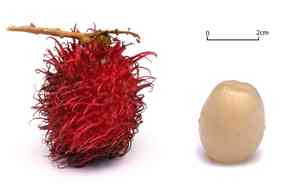
Rambutan flourishes most effectively when propagated via grafting, a technique where plant tissues from one specimen are joined with those of another to facilitate their combined development. Effective grafting guarantees the same fruit characteristics and resilience to diseases as the source plant. For rambutan, grafting operations require meticulous attention to hygiene and accuracy, utilizing robust scion material from a prolific, healthy tree. The selected rootstock needs to be strong and compatible for peak development.
What Is the Best Time To Propagate Rambutan?
Propagation Type
Grafting
Propagation Season
Spring,Winter
What Tools Are Used in Rambutan Propagation?
Grafting Knife
A sharp grafting knife is crucial for making precise cuts on the scion and rootstock of rambutan. Its sharpness ensures clean incisions, minimizing plant tissue damage and increasing the likelihood of a successful graft union.
Grafting Tape or Parafilm
This material is used to securely wrap the graft area, maintaining the alignment of the rambutan scion with its rootstock. It helps prevent moisture loss and pathogen entry at the graft site, vital for healing and establishment.
Pruning Shears
Used for preparing rambutan rootstocks and trimming the scion. Clean, sharp pruning shears create smooth cuts that heal quickly, reducing stress and disease exposure.
Rooting Hormone
While not always essential, rooting hormone can be beneficial when grafting rambutan, as it can promote faster root development on cultivated rootstocks. This results in a stronger, more viable grafted plant.
Heated Propagation Mat
Provides a consistent, ideal temperature environment, encouraging better graft take and quicker healing in rambutan. This tool is especially useful in cooler climates or during less favorable propagating seasons.
Sterilizing Solution
Used for cleaning all tools before and after rambutan propagation to prevent disease spread between plants. Maintaining sterile tools is fundamental for healthy propagation practices.
How to Propagate Rambutan?
Propagation Type
Moderately Difficult
How to Care for Your Newly Propagated Rambutan?
How to Care for Your Newly Propagated Rambutan?
Once the graft has established, gradually introduce the young grafted rambutan plant to more typical growing conditions. Maintain consistent watering, avoiding waterlogging to prevent root rot. Provide shade to minimize stress and monitor for pests and diseases. Train the young rambutan tree for shape and support it with stakes as needed. Fertilize with a balanced, slow-release fertilizer according to growth needs, and regularly prune dead or diseased branches to encourage a strong, healthy tree.
Common Mistakes to Avoid When Propagating Rambutan
Using Seeds From Unripe Fruit
Seeds taken from immature rambutan fruits may not germinate effectively, leading to low propagation success rates.
Ignoring Seed Viability
Disregarding the viability of rambutan seeds can lead to wasted effort, as non-viable seeds will not sprout.
Inadequate Soil Preparation
Rambutan requires well-draining soil; failing to provide it can cause root rot due to excessive moisture.
Neglecting Humidity Requirements
Rambutan seeds need high humidity for germination. A lack of a humid environment can prevent seed germination or slow seedling growth.
Overwatering Seedlings
Too much water can overwhelm rambutan seedlings, potentially causing fungal infections or damping-off diseases that can kill young plants.
Insufficient Light Exposure
Rambutan seedlings need adequate light to grow strong; insufficient light can result in etiolated, weak plants.
Planting Depth Errors
Planting rambutan seeds too deeply can hinder or prevent germination, while planting too shallowly exposes seeds to pests or drying out.
Tips For Propagating Rambutan
Select Fully Ripe Fruit
Extract seeds from fully mature rambutan fruits to ensure higher germination rates and healthier seedlings.
Test Seed Viability
Perform a float test by placing rambutan seeds in water. Viable seeds typically sink, indicating a higher likelihood of germination.
Use Well-Draining Soil
Prepare a mix that retains moisture yet allows excess water to drain away to support rambutan seed germination and healthy root development.
Maintain High Humidity
Create a mini greenhouse effect using a clear plastic cover over the rambutan seeds to retain moisture and ensure a humid environment for optimal germination.
Moderate Watering
Water rambutan seedlings when the soil surface dries out, using a spray bottle to keep the soil moist but not waterlogged.
Provide Bright Indirect Light
Ensure rambutan seedlings receive plenty of bright, indirect sunlight or artificial grow lights to encourage strong growth without scorching tender foliage.
Plant At Correct Depth
Plant rambutan seeds at the appropriate depth, usually about twice the seed's diameter, to balance protection from elements and ease of germination.



