How to Propagate Walking Iris?
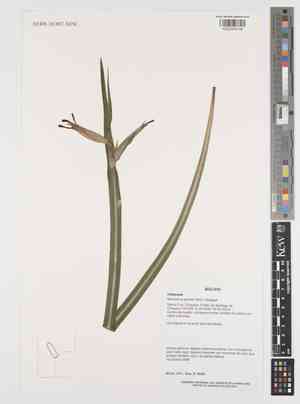
Native to the South American continent, Neomarica is recognized for its decorative qualities and distinctive reproductive characteristic. Cultivators can utilize the plant's rhizomes for multiplication, a process generally considered dependable and uncomplicated. By detaching these rhizomes from the parent specimen once they are fully developed, new plants can be fostered. Following separation, diligent care regarding soil dampness and temperature is crucial to facilitate effective root development and establishment.
Optimal Period for Propagating Walking Iris
Propagation Method
Utilize The Tubers
Propagation Period
Spring
Tools Required for Walking Iris Propagation
Sharp Knife or Scissors
A keen knife or shears are vital for severing rhizomes or separating Walking Iris clumps. These implements ensure clean, precise cuts, crucial for preventing tissue damage. This aids in infection prevention and promotes successful rooting.
Potting Mix
A premium potting medium offering excellent drainage is essential. Walking Iris needs soil that retains moisture yet drains efficiently to prevent root decay. An appropriate mix supports new divisions by supplying necessary nutrients and aeration, aiding root establishment.
Pots or Containers
After separating rhizomes or tubers, each division must be planted into its own pot or container. This allows Walking Iris ample space for root establishment without competition. Pots should have sufficient drainage holes to prevent waterlogging, which harms plant health.
Rooting Hormone
Applying a rooting hormone to the cut ends of rhizomes can boost root development. This is especially beneficial for Walking Iris, encouraging faster establishment and better root growth, leading to a more robust plant.
Watering Can with a Soft Spray
Gentle watering is critical for newly propagated Walking Iris. A watering can with a soft spray helps uniformly moisten the soil without dislodging or harming young roots. Proper hydration is vital for the initial growth phase post-propagation.
Caring for Your Newly Propagated Walking Iris
Caring for Your Newly Propagated Walking Iris
Post-propagation, maintain consistent soil moisture without overwatering, as Walking Iris is prone to root rot. Provide bright, indirect light and high humidity to mimic Walking Iris's natural habitat. Avoid direct sunlight, which can scorch leaves. Gradually acclimate young Walking Iris to their permanent growing location. Fertilize lightly every 4-6 weeks with a balanced, water-soluble fertilizer during the growing season to encourage healthy development.
Common Errors to Avoid When Propagating Walking Iris
Insufficient light
Propagating Walking Iris without adequate light can result in leggy growth and poor root development. This plant requires bright, indirect light to flourish during the rooting process.
Overwatering
Waterlogged conditions are particularly detrimental for Walking Iris, potentially causing root rot and fungal diseases. Walking Iris cuttings or divisions need moist but well-drained soil to establish properly.
Using dull tools
Cutting Walking Iris with blunt tools can damage tissues and hinder the healing process, increasing infection risk and reducing successful propagation chances.
Ignoring offshoots
Overlooking Walking Iris's natural propagation method, where it produces plantlets or offshoots at the end of its bloom stalks, misses an easy and effective way to propagate new plants.
Tips For Propagating Walking Iris
Adequate lighting
Provide Walking Iris with bright, indirect sunlight during propagation to ensure proper growth and prevent etiolation, which is a stretching of the plants in low light conditions.
Balanced moisture
Keep the soil of Walking Iris consistently moist but not waterlogged during propagation to foster good root development while avoiding root rot.
Sharp tools
Use sharp, sterilized tools when taking cuttings or dividing Walking Iris to promote clean cuts and minimize the chance of disease transmission.
Utilize plantlets
Take advantage of the natural propensity of Walking Iris to produce plantlets at the ends of flower stalks. These can be potted in soil once they have developed a few roots, supporting an easy propagation.



