How to Propagate Burflower tree?
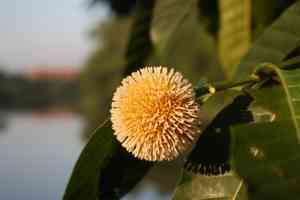
The Burflower tree flourishes when reproduced via cuttings, a technique well-suited for preserving the distinct characteristics of this variety. It is essential to choose robust and developed stem sections, preferably those displaying recent growth. These sections ought to be placed in porous soil enriched with organic material to encourage optimal root formation. Consistent irrigation and moderate sunlight aid the rooting process, guaranteeing the cuttings develop strongly.
When Is the Optimal Time to Propagate Burflower Tree?
Propagation Method
Cutting
Propagation Period
Autumn,Winter
What Tools Are Utilized for Burflower Tree Propagation?
Sharp pruning shears
Crucial for taking cuttings from burflower tree, sharp pruning shears ensure a clean cut, minimizing damage to the parent plant and the cutting itself. A precise cut is vital for faster healing and reduced infection risk, boosting propagation success.
Rooting hormone powder or gel
Stimulates root development once the burflower tree cutting is planted. By encouraging rooting at the stem's base, this hormone increases the likelihood of successful establishment, improving the new plants' overall health and growth rate.
Sterile potting medium
Offers a clean, nutritionally balanced environment for burflower tree cuttings to develop roots. A sterile medium prevents diseases and fungi, which can be detrimental during early rooting stages and significantly impact cutting survival.
Humidity dome or plastic cover
Maintains a high humidity environment around burflower tree cuttings, essential to prevent drying out before root establishment. The humidity dome helps retain air and soil moisture, creating an ideal setting for root development.
How to Propagate Burflower Tree?
Propagation Difficulty
Moderately Difficult
How to Care for Your Newly Propagated Burflower Tree?
How to Care for Your Newly Propagated Burflower Tree?
Once the burflower tree cutting has rooted and shows new growth, gradually acclimate it to its permanent growing conditions. Burflower tree thrives in sunny to partially shaded spots with moist, fertile soil. Regular watering and occasional feeding with a balanced fertilizer during the growing season will support vigorous development. Monitor for pests or diseases and manage them as needed to maintain plant health.
Common Errors to Avoid When Propagating Burflower Tree
Insufficient cutting length
Cuttings that are too short often fail to establish a strong root system, which can impede the overall growth and survival of burflower tree.
Overwatering
Providing excessive water can lead to root rot and fungal infections, significantly decreasing the propagation success and health of burflower tree.
Inadequate light during germination
Placing seeds or young plants in low light conditions can result in weak seedlings due to insufficient photosynthesis, reducing the vigor of burflower tree.
Ignoring humidity requirements
Humidity plays a critical role in the successful propagation of burflower tree, especially for rooting cuttings. Low humidity levels can cause cuttings to dry out before they root.
Tips For Propagating Burflower Tree
Use semi-hardwood cuttings
Utilizing semi-hardwood cuttings from mature branches enhances the chances of successful rooting and growth of burflower tree.
Proper soil preparation
Employing well-draining, fertile soil helps prevent waterlogging and supports healthier root development in burflower tree.
Balanced watering regime
Maintaining a consistent watering schedule that keeps the soil moist but not waterlogged is crucial for successful propagation of burflower tree.
Provide indirect light
Positioning burflower tree seedlings and cuttings in indirect light encourages stronger growth without causing scorching or excessive heat stress.



