How to Propagate Jonquil?
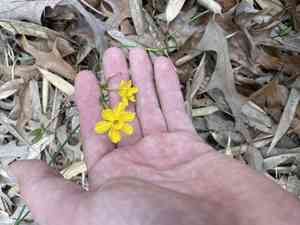
Jonquil is efficiently multiplied through its underground storage organs, enabling cultivators to utilize its inherent reproductive mechanisms. This technique guarantees the genetic uniformity and vigor of emerging plants. By separating the clusters of its bulbs, typically once the leaves have withered, devotees successfully propagate jonquil. This strategy fosters strong growth in their favored well-draining substrate, setting the stage for abundant flowers in forthcoming seasons.
Optimal Time for Jonquil Propagation
Propagation Method
Utilize The Tubers
Propagation Period
Spring
Tools Required for Jonquil Propagation
Garden trowel
A garden trowel is crucial for digging and preparing small holes for jonquil tubers. Its pointed blade allows for precise control and minimal disruption to surrounding soil, vital for placing tubers at the correct depth without causing damage.
Gardening gloves
Gardening gloves safeguard hands while handling jonquil tubers, preventing the transfer of pests or diseases from human skin to the tubers. They also offer improved grip, lessening the chance of dropping and harming the tubers.
Watering can with a fine rose
The gentle spray from a watering can with a fine rose is perfect for moistening the soil around jonquil after planting. This tool helps prevent the displacement of newly planted tubers, which a strong or direct water stream might cause.
Plant labels
Plant labels are essential for keeping track of jonquil varieties and planting dates. Proper labeling aids in monitoring growth and organizing the garden, especially beneficial during growth phases when plants are not yet visually distinct.
Soft brush
A soft brush can be employed to remove any excess dirt from jonquil tubers without causing harm. This is particularly important to prevent the spread of soil-borne diseases and to inspect tubers for any signs of decay or damage before planting.
Post-Propagation Care for Your Jonquil
Post-Propagation Care for Your Jonquil
Following propagation, gradually introduce young jonquil plants to outdoor conditions if they began indoors. Place them in a sunny to partially shaded spot with good drainage. Continue to monitor moisture, ensuring the soil is damp but not saturated. As growth progresses, fertilize jonquil in early spring with a balanced, slow-release fertilizer. Provide support to the stems if needed and shield new plants from strong winds. Remove spent blooms to encourage more flowers and trim back foliage only after it has yellowed and naturally died.
Common Errors to Avoid When Propagating Jonquil
Overwatering
Excessive moisture can lead to root rot in jonquil, negatively affecting its health and hindering root development during propagation.
Deep planting
Planting jonquil bulbs too deeply can impede shoot emergence and weaken the plant as it expends unnecessary energy trying to reach the surface.
Crowded planting
Placing jonquil bulbs too close together may restrict their growth and lead to competition for nutrients and space, compromising their development.
Neglecting division
Failing to divide jonquil bulb clusters regularly can lead to overcrowding and decreased vigor, ultimately reducing blooming and propagation success.
Advice For Propagating Jonquil
Bulb handling
Handle jonquil bulbs with care to prevent damage, as bruised bulbs may become susceptible to disease or fail to propagate.
Adequate spacing
Planting jonquil bulbs with sufficient space ensures they have enough room to develop a strong root system and foliage.
Correct depth
Plant jonquil bulbs at just the right depth, which is typically 1.5 to 2 times the height of the bulb, to encourage healthy growth and easy shoot emergence.
Soil preparation
Prepare well-draining soil for jonquil to prevent waterlogging, which promotes healthy root formation and successful propagation.



