How to Propagate Hardy banana?
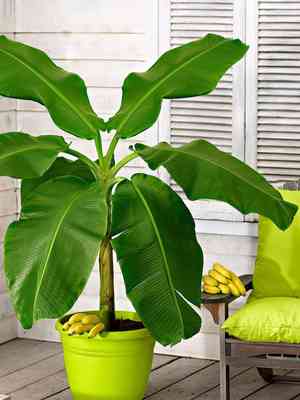
Musa basjoo multiplies most effectively via separation, preferably in the Spring or Autumn seasons. This technique presents a moderate level of challenge. The emergence of fresh shoots signifies successful propagation. Guarantee a growing medium with good drainage and sufficient hydration for optimal outcomes.
Optimal Time for Hardy Banana Propagation
Propagation Method
Division
Propagation Period
Spring, Autumn
Tools Required for Hardy Banana Propagation
Sharp Knife or Pruning Shears
A sharp, sanitized knife or pruning shears are vital for dividing hardy banana, ensuring precise cuts that minimize harm to the plant's rhizomes or corms. This lowers infection risk and promotes quicker healing, giving new plants a healthy start.
Gardening Gloves
Protective gardening gloves are important when handling hardy banana, especially during rhizome or corm separation, to shield the propagator from sharp edges and maintain cleanliness, reducing potential pathogen transfer.
Spade or Shovel
A sturdy spade or shovel is essential for the initial excavation of hardy banana, allowing the propagator to carefully lift the entire plant from the soil with minimal root disturbance, which is crucial for maintaining plant health.
Potting Mix
High-quality potting mix is critical for planting the newly separated hardy banana offspring. It ensures proper drainage and nutrient availability, both vital for the establishment and growth of new plants in their containers or new locations.
Containers with Drainage Holes
Suitable containers with drainage holes are necessary when potting hardy banana divisions to prevent waterlogging, which can lead to root rot and other moisture-related diseases in young plants.
Root Hormone
(Optional) Applying rooting hormone to the cut ends of hardy banana's rhizomes can enhance root development and improve the success rate of divisions by stimulating root growth at the point of separation.
Watering Can or Hose with a Gentle Spray Setting
A gentle water source, such as a watering can or a hose with a spray setting, is used to water newly planted hardy banana divisions. A soft spray helps settle soil around roots without erosion or disturbing the young plant.
How to Propagate Hardy Banana?
Propagation Type
Division
Difficulty Level
Easy
Caring for Your Newly Propagated Hardy Banana
Caring for Your Newly Propagated Hardy Banana
After propagating hardy banana, ensure plants are in bright, indirect sunlight and protected from strong winds. Maintain consistent moisture without waterlogging the soil, as excess water can cause root rot. Gradually acclimate plants to more direct sunlight. Once roots are established and active growth is evident, typically after several weeks, they can be transplanted to a permanent outdoor location in well-draining soil with a regular watering schedule. In winter, apply mulch to protect hardy banana roots from freezing temperatures. Fertilize during the growing season with a balanced fertilizer to encourage robust growth.
Common Mistakes to Avoid When Propagating Hardy Banana
Overwatering cuttings
Overwatering hardy banana cuttings can lead to rot, especially in the rooting medium. High moisture levels without proper drainage can suffocate developing roots and encourage fungal growth, reducing propagation success.
Using diseased parent plants
Using diseased or weak parent plants for propagation can result in poor growth and establishment of hardy banana. Healthy parent plants have a better capacity to provide strong offshoots, runners, or suckers with good genetic material for successful propagation.
Planting too deep
Planting hardy banana propagules or suckers too deep can cause the base of the plant to rot. Adequate depth is required for roots to establish without the risk of stem rot due to excess moisture and lack of air circulation.
Ignoring pests and diseases
Not inspecting for pests and diseases during propagation can lead to widespread problems in new plants. Hardy banana can be affected by various pests and diseases which, if unnoticed, can severely impact plant health and propagation outcomes.
Tips For Propagating Hardy Banana
Correct cutting technique
Using a sharp, clean tool for cuttings ensures a healthy propagation process for hardy banana. A clean cut minimizes damage and potential infection sites, promoting faster healing and root formation.
Appropriate soil mix
Maintaining an appropriate soil mix that provides both moisture retention and good drainage helps hardy banana cuttings establish roots more effectively. A well-aerated medium encourages healthy root development without the risk of rot.
Right light conditions
Providing bright, indirect light to hardy banana propagules encourages growth without the risk of sunburn to young, tender plants. Direct sunlight can be too intense for new plants and may hinder successful propagation.
Monitoring moisture level
Keeping the soil consistently moist but not waterlogged when propagating hardy banana is crucial. The soil should be checked regularly to maintain the optimal moisture level, which provides the necessary hydration for growth without causing root rot.



