How to Propagate Black mulberry?
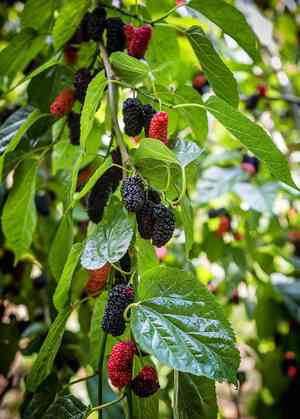
This leafy tree, recognized for its juicy, palatable produce, flourishes optimally in rich, well-aerated earth with ample solar exposure. For multiplying black mulberry, the technique of grafting proves highly efficient. Cuttings must be meticulously chosen from robust, pathogen-free parent specimens to guarantee vitality in the subsequent plants. It is crucial to graft onto suitable rootstocks to preserve the excellence of the fruit. Diligent oversight of the post-grafting recovery and development stages ensures the prosperous rooting of black mulberry.
Optimal Period for Black Mulberry Propagation
Propagation Method
Grafting
Propagation Period
Spring,Winter
Tools Required for Black Mulberry Propagation
Grafting Knife
A sharp grafting knife is crucial for making precise incisions on the scion and rootstock of black mulberry. The cleanliness and accuracy of these cuts are vital for a successful graft union. A grafting knife designed for this purpose typically features a straight, fine-edged blade that facilitates smooth, straight cuts that heal quickly and fuse effectively.
Grafting Tape
This material is used to firmly wrap and secure the grafted joint of black mulberry, maintaining proper alignment and contact pressure between the scion and rootstock. Grafting tape should be flexible and water-resistant to shield the wound from environmental elements, while still allowing for the gas exchange necessary for the healing process.
Rooting Hormone
While primarily used for cutting propagation, rooting hormone can also be beneficial in grafting by encouraging faster tissue healing and improved adhesion at the graft point in black mulberry. Applying a rooting hormone to the cut surfaces before joining can aid in establishing a stronger, more effective graft union.
Pruning Shears
Used for preparing the rootstock of black mulberry by trimming it to the appropriate size and removing any unnecessary foliage that could stress the newly grafted plant. It's important that the pruning shears are sharp and clean to prevent disease transmission and to make clean cuts that heal more efficiently.
Disinfectant Solution
Sanitizing all tools used in the grafting process of black mulberry is essential to prevent the spread of diseases between plants. A disinfectant solution, such as isopropyl alcohol or a 10% bleach solution, should be used to clean the grafting knife, pruning shears, and any other reusable instruments before and after use.
How to Propagate Black Mulberry?
Propagation Type
Moderately Difficult
Caring for Your Newly Propagated Black Mulberry
Caring for Your Newly Propagated Black Mulberry
After propagating black mulberry via grafting, observe the graft site for indications of healing and growth, usually apparent within a few weeks. Gradually expose the new graft to increased sunlight and outdoor conditions if initially kept indoors. Continue with regular care, including watering, pruning to shape the tree and removing suckers, and fertilizing with a balanced feed during the growing season. Protect the plant from common mulberry pests and diseases, such as leaf spot and powdery mildew. With proper attention, the grafted black mulberry should develop into a robust, fruit-bearing tree.
Common Errors to Avoid When Propagating Black Mulberry
Omitting Root Hormones
Failing to use rooting hormones when propagating black mulberry from cuttings can lead to poor root development. This oversight can result in a lower success rate as the cuttings may not establish a strong root system.
Excessive Watering of Cuttings
Gardeners often overwater black mulberry cuttings, leading to root rot and fungal infections. This error can be fatal for the cuttings as it hinders healthy root formation.
Too Much Sunlight
Exposing black mulberry cuttings to direct sunlight can cause leaves to wilt and cuttings to dehydrate. This stress can impede the plant's ability to focus energy on root development.
Improper Cut Size
Using cuttings that are too small or too large for propagation can impact the success rates of black mulberry. Incorrectly sized cuttings may lack sufficient energy reserves or may not sustain themselves long enough to root.
Ignoring Soil Composition
Selecting an unsuitable soil mix can hinder black mulberry rooting as some soil compositions may not provide adequate drainage or nutrients.
Tips For Propagating Black Mulberry
Utilize Rooting Hormone
Applying rooting hormone to black mulberry cuttings can significantly boost the chances of successful rooting by encouraging the development of new roots.
Moderate Watering
Providing a balanced amount of water ensures the soil is moist but not waterlogged, creating an ideal environment for black mulberry cuttings to develop roots without the risk of rot.
Filtered Light
Placing black mulberry cuttings in bright but indirect sunlight helps them to photosynthesize without the stress of direct sun exposure, aiding in the establishment of new growth.
Optimal Cutting Size
Ensuring black mulberry cuttings are of an appropriate size, generally between 6-10 inches, can balance the energy needs for initial survival and the resources required for rooting.
Well-Draining Soil
Using a well-draining and nutrient-rich soil mix supports healthy root growth for black mulberry cuttings by providing aeration and preventing root diseases.



