How to Propagate Moringa?
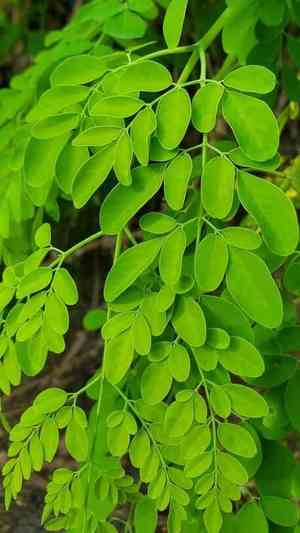
Moringa propagation is best undertaken in the springtime, employing techniques like stem cuttings or air layering. This plant species is quite straightforward to multiply, with emerging foliage and fresh development signaling successful establishment. For optimal outcomes, guarantee appropriate selection of cuttings and adequate moisture levels.
Optimal Period for Moringa Propagation
Propagation Method
Cutting
Propagation Period
Autumn,Winter
Tools Required for Moringa Propagation
Sharp Pruning Shears
Crucial for making clean cuts on moringa stems, sharp pruning shears minimize plant damage and stress. A precise cut improves rooting success by preventing disease and offering a larger area for root growth.
Rooting Hormone
Rooting hormone is applied to the cut end of moringa stem cuttings to encourage root development. It contains auxins that stimulate cell division at the cut site, vital for new root formation. This boosts the success rate of cuttings taking root.
Sterilization Agent (Alcohol or Bleach Solution)
Used to sanitize pruning shears and other tools, a sterilization agent ensures no disease transmission to moringa during the cutting process. It is essential for maintaining the overall health and viability of new plants by preventing infection.
Peat Pots or Rooting Trays
Peat pots or rooting trays offer an ideal environment for moringa cuttings to develop new roots. They are perfect due to their size and ease of moisture management, a key factor for successful rooting of cuttings.
Well-Draining Propagation Medium
A well-draining propagation medium, such as a mix of perlite and peat moss, ensures moringa cuttings have the correct balance of moisture and air. Proper aeration prevents root rot while sufficient moisture supports new root development.
Misting Bottle
A misting bottle is important for maintaining adequate humidity around moringa cuttings, which is crucial for preventing the delicate cuttings from drying out before they can establish roots.
Plastic Dome or Cover
A plastic dome or cover creates a mini-greenhouse effect around moringa cuttings, maintaining high humidity levels that encourage rooting. It also aids in temperature regulation, which can be critical for moringa propagation success.
Heating Mat (Optional)
For propagators in cooler climates, a heating mat provides bottom heat that encourages faster root development in moringa cuttings. Consistent, gentle warmth can significantly improve the propagation process.
Post-Propagation Care for Moringa
Post-Propagation Care for Moringa
Once moringa cuttings have established roots and new growth appears, gradually acclimate them to more direct sunlight. Ensure continued regular watering, but allow the top inch of soil to dry out between waterings to prevent root rot. Begin a regular feeding program with a balanced fertilizer to promote healthy growth. Monitor for pests and treat accordingly. Protect young moringa plants from extreme temperatures and strong winds until they are well-established and sturdy.
Common Errors to Avoid When Propagating Moringa
Overwatering saplings
Excessive watering can lead to root rot in moringa. Too much moisture around the roots creates an environment conducive to fungal growth, which can damage or kill the young plants.
Planting seeds too deeply
Moringa seeds sown too deep may struggle to germinate due to insufficient light and oxygen, potentially preventing sprouting altogether.
Ignoring soil composition
Using improper soil that lacks drainage can cause waterlogging and may hinder root development in moringa. A well-draining medium is crucial for healthy growth.
Neglecting pest control
Pests can severely impact moringa during early stages. Not managing pests can lead to damaged seedlings, reducing the chance of successful propagation.
Overcrowding seedlings
Planting moringa seedlings too close together can inhibit their growth due to competition for nutrients and light, leading to weaker plants.
Moringa Propagation Advice
Use fresh seeds
For moringa, fresh seeds have a higher germination rate. Using seeds that are less than a year old can significantly enhance propagation success.
Adequate light exposure
Providing sufficient light is essential for the propagation of moringa. It bolsters healthy seedling development and prevents etiolation.
Moderate watering
Maintain a balance in watering moringa to keep the soil moist but not waterlogged. This helps prevent root rot while supplying enough moisture for growth.
Pest and disease monitoring
Regularly inspect moringa for signs of pests and diseases. Early detection and treatment can prevent spread and safeguard young plants.
Proper spacing
Give moringa seedlings enough space to grow. Adequate spacing allows for better air circulation and access to nutrients, fostering robust plants.



