How to Propagate Noni?
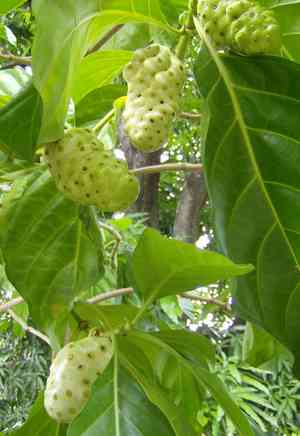
Noni is generally multiplied through cuttings during the spring and summer seasons. Its propagation presents a moderate level of difficulty, with indicators of success being robust root formation and fresh leaf growth. Maintain dampness for the cuttings to ensure optimal propagation.
Optimal Time for Noni Propagation
Propagation Method
Cutting
Propagation Period
Spring, Summer
Tools Required for Noni Propagation
Sharp pruning shears
These are crucial for precisely taking cuttings from noni, minimizing harm to the parent plant. Sharp blades ensure a clean cut that heals rapidly and lowers the risk of disease. For noni's tough stems, robust and sharp shears guarantee successful cuttings.
Rooting hormone powder
Applying rooting hormone to the cut end of noni cuttings speeds up root formation, boosting propagation success. This substance mimics natural growth hormones, promoting faster root initiation, especially beneficial for noni's hardwood cuttings.
Sterile potting mix
Using a sterile potting mix prevents the introduction of pathogens that could harm noni cuttings. A well-draining, nutrient-rich substrate offers an ideal environment for new roots to develop. This is particularly important for noni cuttings, which need consistent moisture but are prone to root rot.
Propagation trays or pots
These containers hold the potting mix and provide a stable environment for noni cuttings to develop roots. Trays and pots must have sufficient drainage holes to prevent waterlogging, which noni is susceptible to during the rooting phase.
Plastic covers or dome propagators
These tools help maintain high humidity around noni cuttings, vital for preventing moisture loss from leaves. They create a microclimate that reduces the need for frequent watering and protects delicate new growth.
Heating mat
This tool ensures a consistent, warm temperature at the base of the propagation medium, significantly improving noni's rooting success. Warmth at the root zone stimulates growth and is especially valuable when propagating in cooler conditions.
Watering can with a fine rose
A fine rose attachment evenly distributes water, providing gentle irrigation to noni cuttings without disturbing the soil or damaging emerging roots. Consistent moisture levels are critical for successful root formation in cuttings.
How to Propagate Noni?
Propagation Method
Cutting
Difficulty Level
Moderately Challenging
Caring for Your Newly Propagated Noni
Caring for Your Newly Propagated Noni
Post-propagation, ensure noni is placed in a partially shaded area, shielded from strong winds. Water to keep the soil consistently moist but not waterlogged, and fertilize every few weeks with a balanced feed. As noni grows, provide stakes for support if needed, especially in windy regions. Regularly check for pests and diseases, taking appropriate action to manage them. Prune dead or diseased branches to encourage healthy development.
Common Errors to Avoid When Propagating Noni
Overwatering
When propagating noni, gardeners often believe more water equals better growth. However, excessive water can lead to root rot and fungal infections, which can be detrimental to the cutting or seedling.
Using non-sterile tools
If tools are not sterilized, there's a risk of transmitting diseases to noni during propagation. This can result in infections that compromise the plant's health.
Neglecting sanitation
Failing to clean pots or propagation trays can introduce pests and diseases to noni. These contaminants can severely impact the success rate of propagation.
Incorrect soil mix
Using an unsuitable soil mix can lead to poor root development for noni. The wrong mixture may not offer adequate support or nutrients, stressing the young plant.
Planting cuttings too deep
Inserting noni cuttings too deeply into the soil can cause them to rot before they have a chance to root. The cutting's base should only be deep enough to remain upright.
Tips For Propagating Noni
Rooting hormone
Applying a rooting hormone to the cut end of noni cuttings can promote faster root growth, enhancing propagation success.
Adequate drainage
Ensuring proper drainage in the pot or tray is crucial to prevent waterlogging around noni roots, which can cause rot and disease.
Controlled humidity
Maintaining a balanced humidity level is essential as it supports noni's rooting process without encouraging mold growth on the soil surface.
Gentle handling
Being gentle with noni cuttings and seedlings is vital. Rough handling can damage delicate tissues, hindering the plant's ability to establish and grow.
Proper cutting technique
When taking cuttings from noni, make a sharp, clean cut to avoid crushing the tissue. This will help the cutting to heal and root more effectively.



