How to Propagate Browne's poisonwood?
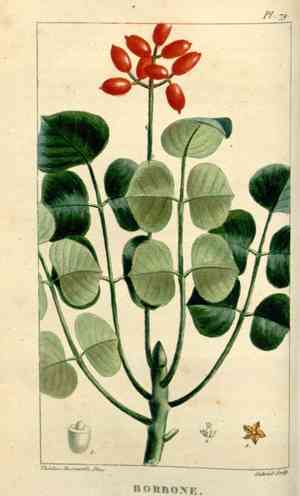
Browne's poisonwood flourishes in warmer regions and is typically multiplied by seeding. The secret to effective propagation involves creating a well-draining substrate that imitates browne's poisonwood's native environment. Plant the seeds just beneath the top layer and ensure steady dampness without oversaturation. Endurance is crucial, as sprouting may span several weeks. After the young plants appear, they need abundant light and should be progressively accustomed to external environments if initially cultivated indoors.
Optimal Time for Browne's Poisonwood Propagation
Propagation Type
Sowing
Propagation Season
Spring
Essential Tools for Browne's Poisonwood Propagation
Seed trays
Seed trays are vital for the controlled sprouting of browne's poisonwood's seeds. They enable an organized setup where seeds can be uniformly spaced, ensuring adequate air circulation and lowering the risk of fungal diseases. The trays also simplify monitoring moisture levels, which is critical for browne's poisonwood's successful germination.
Fine-grained seed starting mix
A fine-grained seed starting mix is crucial for giving browne's poisonwood's seeds a well-draining medium that prevents waterlogging, thereby decreasing the chance of root rot and fungal infections. This mix also encourages better root penetration and growth, which is essential for seedling development.
Misting bottle
A misting bottle is employed to gently irrigate browne's poisonwood seeds. Misting helps maintain the necessary humidity around the seeds without disturbing them or causing soil erosion. Consistent moisture levels are vital for browne's poisonwood's germination, and this tool helps achieve that precisely.
Heat mat
A heat mat promotes successful germination of browne's poisonwood by maintaining a consistent soil temperature. This is especially beneficial in cooler climates or environments where maintaining ambient warmth is difficult. It encourages faster, more reliable germination and early growth, which are critical stages in browne's poisonwood's propagation.
Dibber or seed dibbler
This tool is used for creating small, precise holes in the propagation medium to place browne's poisonwood seeds. It ensures seeds are positioned at the correct depth, which is crucial for optimal germination conditions. Proper seed placement helps achieve uniform growth among seedlings.
Propagating Browne's Poisonwood: A Guide
Propagation Type
Easy
Caring for Your Newly Propagated Browne's Poisonwood
Caring for Your Newly Propagated Browne's Poisonwood
Post-germination, gradually introduce browne's poisonwood sprouts to direct sunlight over several weeks to prevent scorching. Young plants need regular watering to establish a strong root system, but ensure good drainage to avoid root diseases. Limit fertilization to a balanced, slow-release type during initial growth to support healthy development without overwhelming young plants. As browne's poisonwood matures, reduce watering frequency, allowing the soil to dry out somewhat between waterings.
Common Errors to Avoid When Propagating Browne's Poisonwood
Ignoring sap toxicity
Gardeners often overlook that browne's poisonwood's sap is highly irritating and toxic. This oversight can lead to severe skin irritations or other health issues, compromising the propagator's safety and potentially affecting plant handling.
Improper cutting techniques
Using dull or dirty cutting tools can harm browne's poisonwood stems, leading to poor healing and increased vulnerability to diseases. This can severely hinder the plant's ability to develop new growth from cuttings.
Overwatering
While establishing root systems, browne's poisonwood does not require excessive water. Overwatering can cause root rot, which is detrimental to the plant's survival during the propagation phase.
Planting in unsuitable soil
Choosing the wrong soil type can impede drainage and aeration, crucial for browne's poisonwood's healthy growth. Poor soil choice can lead to waterlogged conditions, affecting root health and plant vitality.
Tips for Propagating Browne's Poisonwood
Use protective gear
Due to the toxic nature of the sap, it is essential to wear gloves and protective clothing when handling or cutting browne's poisonwood. This ensures the propagator's safety and prevents sap from causing harm.
Use sharp, clean tools
To avoid infecting browne's poisonwood with pathogens and to ensure smooth cuts that heal well, always use sharp and sterilized cutting tools. This practice promotes healthier growth and reduces plant stress.
Moderate watering
Provide a balanced amount of water to browne's poisonwood cuttings to encourage root growth without causing waterlogging. Ensuring the soil is just moist and not saturated can significantly enhance root development.
Select appropriate soil
For successful propagation, use well-draining, fertile soil. This aids in preventing water retention around browne's poisonwood roots, supporting better growth conditions and overall plant health.



